Kidney Health 10 min read·Updated 22 July 2026 Clinician-reviewed

Kidney Stones Diet — What to Eat & Avoid

A UK Consultant Nephrologist explains how diet can prevent the most common kidney stones — and why some popular 'avoid calcium' advice is wrong.

  • Clinically Reviewed
  • NHS & NICE Aligned
  • UK Evidence-Based
  • Last Reviewed 22 July 2026

Professor Mohammed Mahdi Althaf

Consultant Nephrologist & Acute Physician

View Credentials

Professor Mohammed Mahdi Althaf

MD, MSc, PgDip (Clin Ed), FRCP, FHEA, FASN

Consultant Nephrologist & Acute Physician · GMC 7216325

View profile →

Direct answer

For calcium oxalate stones: drink 2.5–3 litres daily, keep normal dietary calcium, limit oxalate foods, cut sodium under 5–6 g salt/day, and moderate animal protein. Do NOT restrict calcium — it binds oxalate in the gut. Citrate from citrus helps. Personalise with a 24-hour urine test.

Key recommendation: Calcium OXALATE stones are 80% of cases — diet changes work.

Quick answer

✓ Best choices

  • 2.5–3 L of fluid a day (mostly water), spread across the day
  • Normal dietary calcium with meals (≈ 1000 mg/day) — it binds oxalate in the gut
  • Lemon water and citrus fruit for natural citrate
  • Vegetables, fruit and whole grains (DASH-style)

✓ Foods to limit

  • Added salt and salty processed foods
  • Very high-oxalate foods if you are an oxalate-stone former: spinach, rhubarb, beetroot, almonds, dark chocolate
  • Sugary drinks and excessive animal protein

Key takeaway

For calcium oxalate stones: drink 2.5–3 litres daily, keep normal dietary calcium, limit oxalate foods, cut sodium under 5–6 g salt/day, and moderate animal protein. Do NOT restrict calcium — it binds oxalate in the gut. Citrate from citrus helps. Personalise with a 24-hour urine test.

Who should be cautious

People on dialysis, post-transplant, pregnant or breastfeeding, or taking prescription medication — confirm with your renal team before changes.

Kidney Stones Diet — What to Eat & Avoid

Stone types and diet strategy

Calcium oxalate stones (80%): focus on fluids, normal calcium, low oxalate, low sodium, normal protein. Calcium phosphate stones (10–15%): similar but also watch alkali load and consider thiazide diuretics if recurrent. Uric acid stones (5–10%): reduce purines (red meat, offal, shellfish, anchovies), limit alcohol especially beer, and alkalinise urine with fruit/vegetables. Cystine stones (1–2%): very high fluid intake (aim for 3–4 litres urine output), urine alkalinisation, and specialist care. Struvite stones (infection-related): treat the underlying urinary tract infection — diet plays a smaller role.

Fluids — the single most important factor

Diluting urine is the cornerstone of stone prevention. Aim for 2.5–3 litres of urine output daily, which usually means drinking 2.5–3.5 litres of fluid depending on climate and activity. Water is best. Citrus-flavoured water adds citrate. Tea and coffee count but watch oxalate in black tea. Limit sugar-sweetened drinks. Spread intake through the day — a jug-based routine helps.

Calcium — why restriction backfires

When you eat less calcium, more oxalate is absorbed from the gut into the blood, then excreted in urine — raising oxalate concentration and stone risk. Normal dietary calcium (700–1,000 mg/day from milk, yoghurt, cheese, fortified alternatives, tinned fish with bones) should be maintained. Pair high-oxalate foods with calcium at the same meal — for example, a small amount of cheese with a spinach-containing dish. Calcium supplements taken without meals can spike urinary calcium — avoid unless prescribed and always take with food.

Kidney Vitality provides 75 mg vitamin C and 1000 IU vitamin D3 within a multivitamin developed using renal nutrition principles. See the formulation.

Oxalate — portion control, not elimination

You do not need a zero-oxalate diet. The goal is to avoid very high-oxalate foods in large amounts. Spinach is the highest-oxalate food commonly eaten — a spinach smoothie can deliver more oxalate than a sensible day's limit. Beetroot, rhubarb, almonds, dark chocolate (70%+ cocoa), wheat bran, soy flour, and black tea are also significant. Lower-oxalate alternatives: cauliflower, cabbage, cucumber, grapes, apples, pears, white rice, and pasta.

Sodium and protein — the hidden contributors

High sodium (salt) increases calcium in urine. Most UK adults eat 8–9 g salt per day — nearly double the recommended maximum. Processed and restaurant foods are the main sources. Animal protein in large amounts increases uric acid and reduces citrate in urine. Aim for moderate portions: a palm-sized serving of meat/fish/poultry per meal, not steak-house portions. Plant proteins (beans, lentils, tofu) have a lower stone risk profile.

When to see a specialist

All first-time stone formers should have stone analysis and basic blood tests. Recurrent stone formers (more than one stone) should have 24-hour urine testing for calcium, oxalate, citrate, uric acid, sodium, and volume. A nephrologist or urologist can then tailor diet and medication — for example, thiazide diuretics for hypercalciuria, potassium citrate for hypocitraturia, or allopurinol for hyperuricosuria.

How to Improve Kidney Function Naturally
Related reading: How to Improve Kidney Function Naturally.

Key practical tips

Designed for quick scanning — what to order, what to avoid, sensible portions, common mistakes.

  • Aim for pale-straw urine throughout the day
  • Don't take calcium supplements between meals — take them with food
  • Ask for a stone analysis so your diet can be matched to the stone type

Clinical guidance

TL;DR summary

For calcium oxalate stones: drink 2.5–3 litres daily, keep normal dietary calcium, limit oxalate foods, cut sodium under 5–6 g salt/day, and moderate animal protein. Do NOT restrict calcium — it binds oxalate in the gut. Citrate from citrus helps. Personalise with a 24-hour urine test.

Key takeaways
  • Calcium OXALATE stones are 80% of cases — diet changes work.
  • Do NOT restrict dietary calcium — it protects against stones.
  • High sodium increases urinary calcium and stone risk.
  • Citrus citrate (lemon, lime) inhibits stone formation.
  • A 24-hour urine test tells you YOUR stone risk factors.
Kidney Diet & Nutrition Considerations for Stones

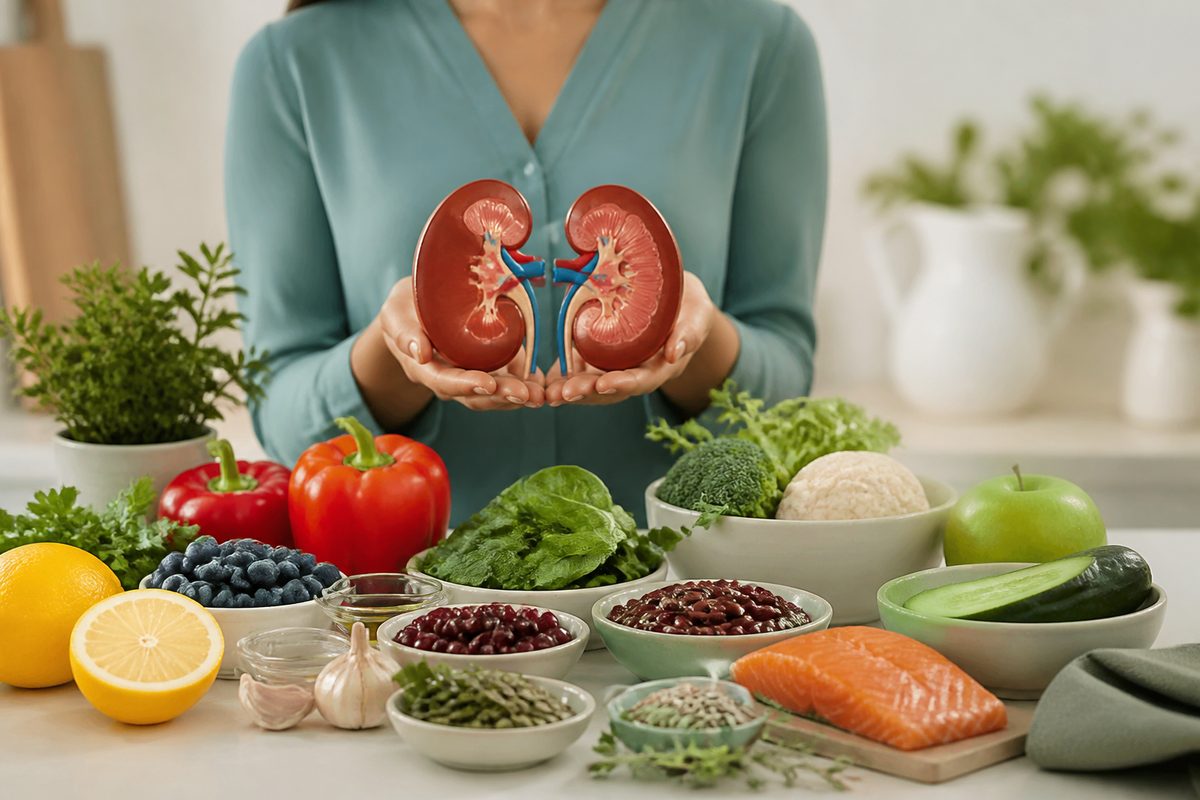
For calcium-oxalate stones — the most common type in the UK — three dietary levers matter most: drink enough fluid, keep dietary calcium normal (don't cut it), and moderate oxalate, salt and animal protein. Citrate from citrus fruit and lemon water is genuinely protective. The DASH pattern halves stone recurrence in trials.

Foods to prioritise

  • 2.5–3 L of fluid a day (mostly water), spread across the day
  • Normal dietary calcium with meals (≈ 1000 mg/day) — it binds oxalate in the gut
  • Lemon water and citrus fruit for natural citrate
  • Vegetables, fruit and whole grains (DASH-style)

Foods to limit

  • Added salt and salty processed foods
  • Very high-oxalate foods if you are an oxalate-stone former: spinach, rhubarb, beetroot, almonds, dark chocolate
  • Sugary drinks and excessive animal protein

Potassium, phosphate and protein needs vary between individuals — please confirm personal targets with your renal team or dietitian. Browse the Kidney Diet Hub for more guides in this cluster.

Frequently asked questions

What diet prevents kidney stones?

The best stone-prevention diet depends on stone type. For calcium oxalate stones (80% of cases): drink 2.5–3 litres of fluid daily, keep dietary calcium at normal levels (do NOT restrict calcium), limit high-oxalate foods, reduce sodium to under 5–6 g salt per day, and moderate animal protein. For uric acid stones: reduce purine-rich foods and alkalinise urine. For cystine stones: very high fluid intake and urine alkalinisation. A 24-hour urine test guides personalisation.

Does calcium cause kidney stones?

No — and restricting dietary calcium actually increases stone risk. Calcium in food binds oxalate in the gut, stopping oxalate absorption. The problem is often LOW dietary calcium combined with HIGH oxalate and HIGH sodium. Normal calcium intake (700–1,000 mg/day from food) is protective. Calcium SUPPLEMENTS, especially when not taken with meals, can increase stone risk — get calcium from food first.

What foods are high in oxalate?

High-oxalate foods include spinach, beetroot, rhubarb, nuts (especially almonds), dark chocolate, soy products, black tea, wheat bran, and sweet potatoes. You do not need to avoid all oxalate — portion control and pairing oxalate foods with calcium-rich foods at the same meal reduces absorption. A dietitian can tailor this to your 24-hour urine results.

Is lemon water good for kidney stones?

Yes — citrate from lemon and other citrus fruits inhibits calcium stone formation by binding calcium and preventing crystal growth. The evidence supports increasing dietary citrate, not taking potassium citrate supplements unless prescribed. Lemon water is a practical, low-calorie way to boost citrate intake alongside high fluid volumes.

Should I avoid salt if I have kidney stones?

Yes. High sodium intake increases calcium excretion in urine, raising stone risk. UK adults should aim for under 5–6 g salt per day (NHS guidance). Processed foods, bread, stock cubes, crisps, cured meats and takeaway meals are the main sodium sources — not the salt shaker alone.

What foods help prevent kidney stones?

Plenty of fluid (2.5–3 L/day), a DASH-style diet with normal dietary calcium taken with meals, citrate sources such as lemon water and citrus fruit, and reduced salt and animal protein are the most evidence-based dietary steps for preventing calcium-oxalate kidney stones.

Nutritional challenges in kidney disease

Many people living with kidney disease have to limit foods because of potassium, phosphate, diabetes, dialysis, appetite changes or simply the time it takes to cook from scratch every day. That can make it harder to keep daily nutrition balanced — particularly for vitamins and minerals that food alone may not fully cover.

Kidney Vitality is a UK-formulated daily nutritional support product designed by Consultant Nephrologist Professor Mohammed Mahdi Althaf with renal nutrition in mind from the start. It keeps doses moderate, leaves out added potassium, phosphate and magnesium, and avoids megadose vitamin A — sitting alongside a kidney-friendly diet, not replacing it.

Why Kidney Vitality fits this need

Built around UK renal and urology guidance

Aligned with British Association of Urological Surgeons (BAUS) and European Association of Urology (EAU) stone prevention guidance.

Designed by a UK Consultant Nephrologist

Reviewed by Professor Mohammed Mahdi Althaf (GMC 7216325), consultant nephrologist with specialist interest in metabolic stone disease.

Evidence-based, not trend-based

Recommendations draw on large epidemiological cohorts (Nurses' Health Study, Health Professionals Follow-up Study) and UK NICE pathways.

Designed by a UK Consultant Nephrologist

Ready to support your kidney health?

If you have been researching kidney health, supplements, CKD nutrition or kidney-friendly living, Kidney Vitality was developed specifically around those principles by Professor Mohammed Mahdi Althaf (GMC 7216325). A daily multivitamin with moderate vitamin C and vitamin D.

  • Vitamin C 75 mg
  • Vitamin D3 1000 IU (25 mcg)
  • No Added Calcium
  • Developed by a Consultant Nephrologist
  • One capsule daily
  • UK GMP — BRCGS, NSF GMP, Halal

✓ Free UK tracked delivery  ·  ✓ Delivered every 30 days  ·  ✓ Pause or cancel anytime  ·  ✓ Never run out

ComparisonKidney VitalityTypical high-street multivitamin
Added potassiumNoneOften included
Added phosphateNoneOften included (E338–E452)
Vitamin A (retinol)No megadoseOften high-dose retinol
Kidney-focused formulationYesNo — general population
Consultant Nephrologist involvementYes (GMC 7216325)No
UK GMP manufacturedYes (BRCGS, NSF GMP)Varies

Food supplement. Not a medicine and not a treatment for kidney disease. Speak with your GP, pharmacist or renal team before starting any new supplement, especially in advanced CKD, on dialysis, post-transplant, pregnant or breastfeeding.

Clinical reviewer

Professor Mohammed Mahdi Althaf

Consultant Nephrologist

Acute Physician

GMC 7216325

View Full Biography

Professor Mohammed Mahdi Althaf is a UK Consultant Nephrologist and Acute Physician with a special interest in chronic kidney disease, AKI prevention and renal nutrition. He combines hospital practice with patient education and clinical guidance review.

View professional profile →
View Credentials
  • MD
  • MSc
  • PgDip (Clin Ed)
  • FRCP
  • FHEA
  • FASN

About this article

Written for UK patients and based on:

  • NICE guidance
  • NHS resources
  • British Dietetic Association guidance
  • Kidney Care UK resources
View methodology

Each article is researched against current UK clinical guidance (NICE NG203, NG118, NG136), NHS patient resources, KDIGO and KDOQI international guidelines, and the British Dietetic Association Renal Nutrition Group. Drafts are written by the Kidney Vitality editorial team and reviewed by a UK Consultant Nephrologist before publication. Content is reviewed on a rolling basis and updated when guidance changes.

Editorial standards

  • Clinically reviewed
  • NHS-aligned
  • NICE-aligned
  • Evidence-based
  • Reviewed before publication
View full editorial process

Every article is researched and written by the Kidney Vitality editorial team using current UK clinical guidance (NICE NG203, NG118, NG136), NHS patient resources, KDIGO/KDOQI international guidelines, and British Dietetic Association renal nutrition guidance. Drafts are reviewed for clinical accuracy by Professor Mohammed Mahdi Althaf, MD, MSc, PgDip (Clin Ed), FRCP, FHEA, FASN (Consultant Nephrologist & Acute Physician, GMC 7216325) before publication. Content is updated when UK guidance changes.

References (4)View Sources
  1. NICE NG203: Chronic kidney disease — assessment and management
  2. KDIGO 2024 Clinical Practice Guideline for the Evaluation and Management of CKD
  3. KDOQI Clinical Practice Guideline for Nutrition in CKD: 2020 Update
  4. British Dietetic Association — Renal Nutrition Group

Medical disclaimer

This content is educational only and does not replace personalised medical advice.

Read full disclaimer

This page is general information, not personal medical advice. If you have chronic kidney disease, are on dialysis, have had a kidney transplant, are pregnant or breastfeeding, or take prescription medication, please confirm any supplement with your GP, pharmacist or renal team before starting.