The 8 evidence-based kidney habits
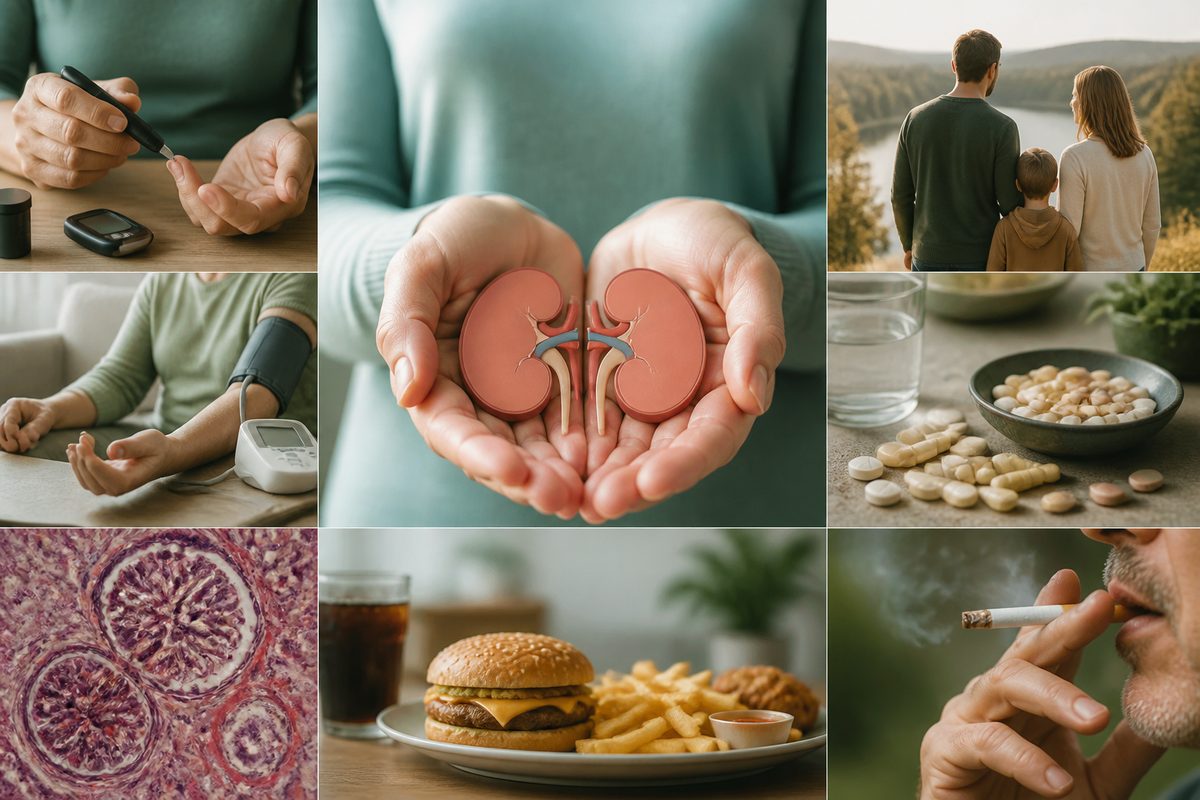
- Get blood pressure under 140/90 (or 130/80 if diabetic / ACR > 70).
- Cut salt to under 6 g/day — read labels, cook from scratch.
- If diabetic, target HbA1c around 53 mmol/mol (7.0%).
- Stop smoking — vaping is not 'kidney-friendly' either.
- Avoid regular NSAIDs; paracetamol is generally safer.
- Stay hydrated — 1.5–2 L water daily unless restricted.
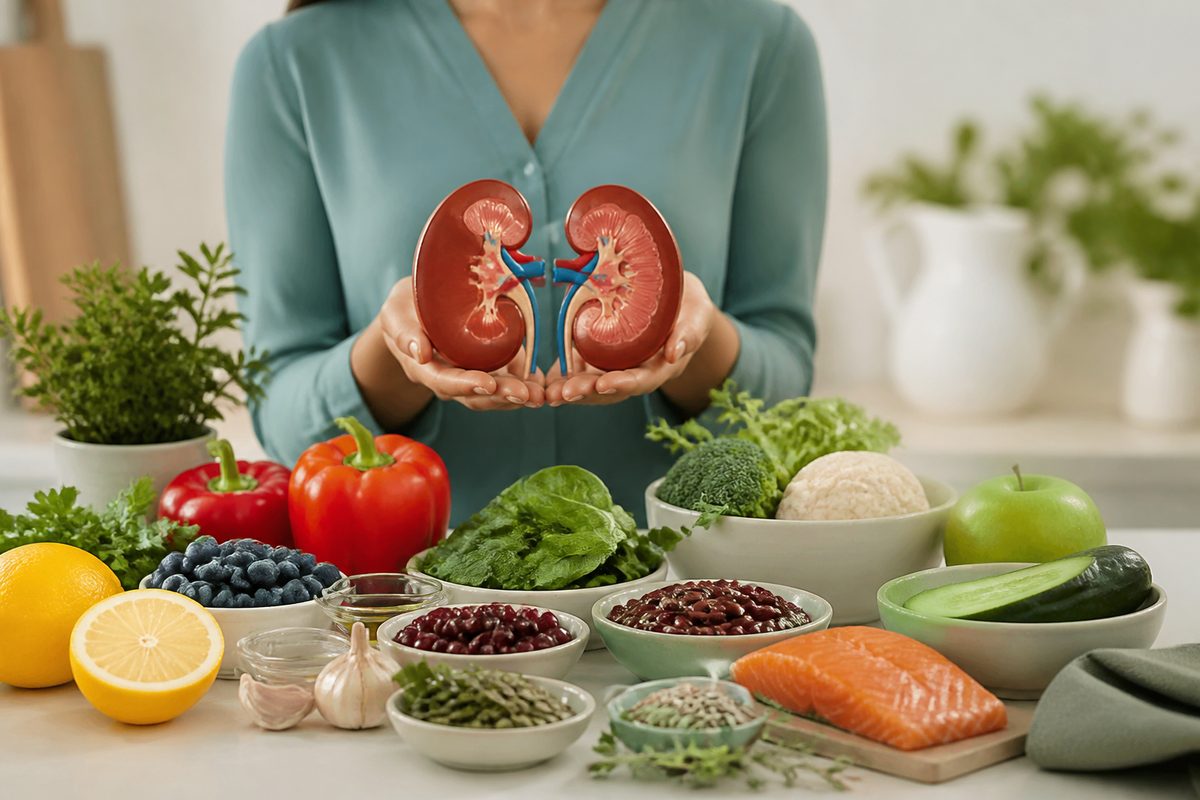
- Eat a Mediterranean-style diet — oily fish, vegetables, olive oil, whole grains.
- Maintain a healthy weight — even 5–10% loss helps.
Medications that protect the kidneys
Ask your GP about: ACE inhibitors (e.g. ramipril) or ARBs (e.g. losartan) — first-line in CKD with proteinuria; SGLT2 inhibitors (dapagliflozin, empagliflozin) — now recommended for many CKD patients with or without diabetes (DAPA-CKD, EMPA-KIDNEY trials); statins — for cardiovascular risk reduction. These are 'natural' in the sense that they work with your kidneys' biology — and the evidence base is strong.
What does NOT improve kidney function
- 'Kidney detox' teas, parsley cleanses, juniper, dandelion extracts.
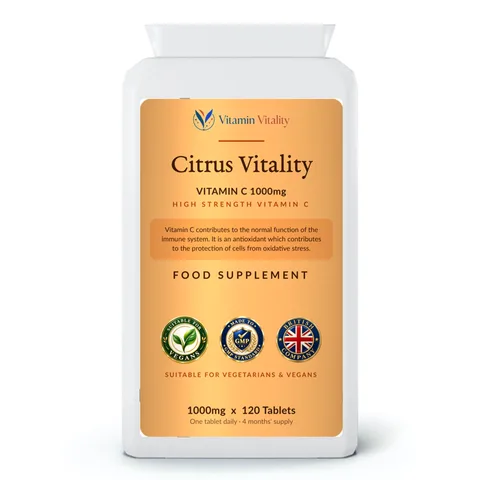
- High-dose vitamin C, turmeric or magnesium 'kidney support' blends.
- Apple cider vinegar shots.
- Extreme low-protein or high-protein 'cleansing' diets.
Some of these have caused acute kidney injury (AKI). Stick with evidence-based changes.
Tracking progress
Ask your GP for eGFR + urine ACR every 6–12 months (more often in advanced CKD). Keep a home blood-pressure log. A stable eGFR over 12 months is a real win — most untreated CKD declines by 2–5 mL/min/year. With these habits, decline can slow to under 1 mL/min/year.
Kidney Vitality is a daily multivitamin developed by a UK Consultant Nephrologist using renal nutrition principles. It contains no added potassium, magnesium, phosphorus or iron, and no herbal blends. See the formulation.