Why soy fits a CKD diet
Three reasons soy is well-regarded in renal nutrition:
- Lower dietary acid load than meat — animal protein generates fixed acid (sulphuric, phosphoric) that the kidney has to clear. CKD kidneys handle this less well, contributing to metabolic acidosis and bone loss. Plant protein lowers this load.
- Phosphate bio-availability — soy phosphate is plant-bound (~ 40–50% absorbed). Processed meat phosphate is mostly additive (~ 90% absorbed).
- Cardiovascular profile — replacing red/processed meat with soy lowers LDL cholesterol and is consistent with KDIGO 2024 guidance for cardiorenal risk.
Soy foods compared (per 100 g)
- Firm tofu: ~ 8 g protein, ~ 120 mg K, ~ 130 mg P, very low sodium
- Silken tofu: ~ 5 g protein, ~ 130 mg K, ~ 70 mg P
- Tempeh: ~ 20 g protein, ~ 410 mg K, ~ 270 mg P — higher minerals, smaller portions
- Edamame (cooked): ~ 11 g protein, ~ 430 mg K, ~ 170 mg P
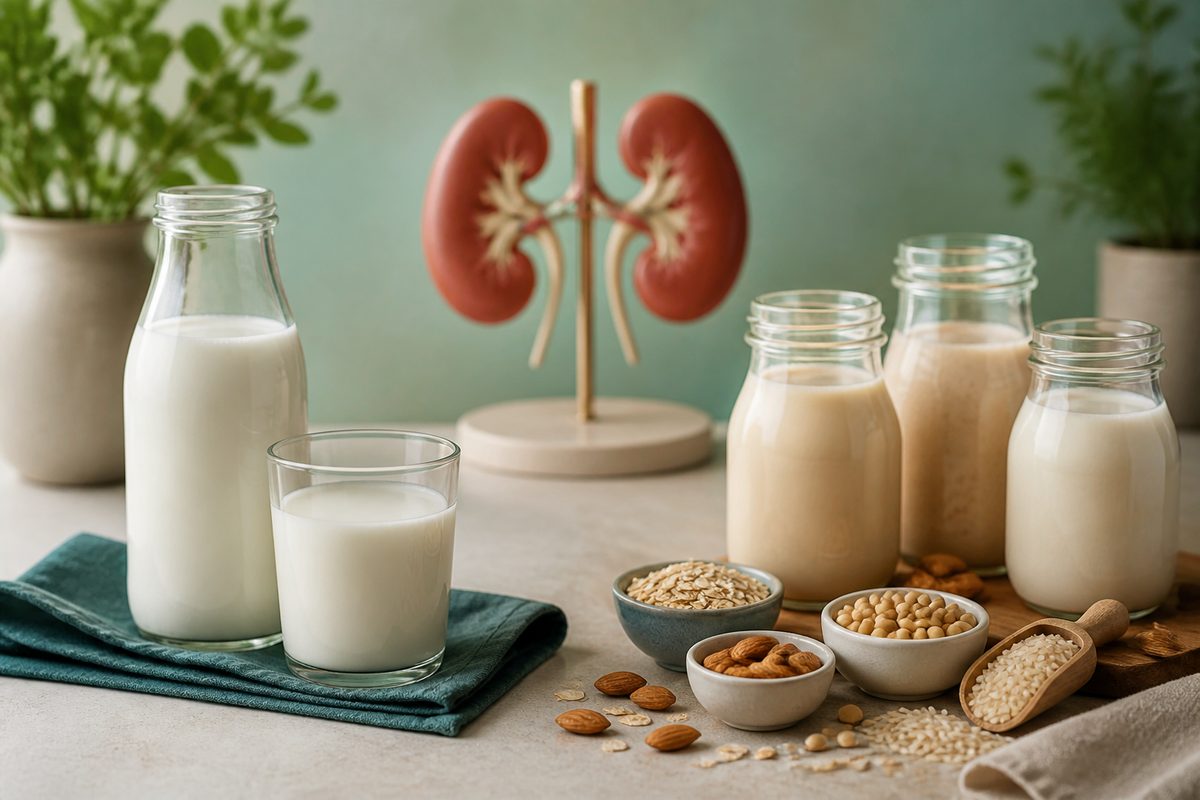
- Soy milk (unsweetened): ~ 3 g protein per 100 ml, ~ 120 mg K; phosphate depends on fortification
- Soy yoghurt: similar to soy milk; check additives
For late-CKD potassium restriction, edamame and tempeh need portioning.
The fortification trap (soy milk)
Many UK plant milks add calcium for bone health. The form matters:
- Calcium carbonate (CaCO₃) — fine in CKD; no extra phosphate.
- Calcium phosphate (E341) — adds highly absorbed phosphate; avoid if phosphate is restricted.
- Tricalcium phosphate — same issue.
Check the ingredients list, not just the front of the carton. Alpro and supermarket own-brands vary by line — read each label.
Practical guidance
- Swap 1–2 red-meat meals per week for tofu, tempeh or edamame.
- Use plain firm tofu — marinate at home with garlic, ginger, lemon and no-salt-added soy alternative.
- Choose unsweetened soy milk fortified with calcium carbonate.
- Avoid heavily processed soy 'meats' (vegan sausages, burgers) which often contain additive phosphate and high salt.
- Discuss with your renal dietitian if you're new to a plant-forward diet — they can personalise portions.
Food first. If you are choosing a daily multivitamin alongside a balanced diet, Kidney Vitality was developed by a UK Consultant Nephrologist using renal nutrition principles. See the formulation.