The salt stack
Pizza combines salty dough, salty cheese, salty sauce and salty processed meat. Each layer seems modest alone, but together they create a sodium bomb. A whole medium pepperoni pizza from a major UK chain contains ~ 5,000 mg sodium — more than 4 days' worth of the NHS 6 g salt limit. Even a single large slice rivals the salt content of an entire renal-friendly dinner.
Phosphate from processed toppings
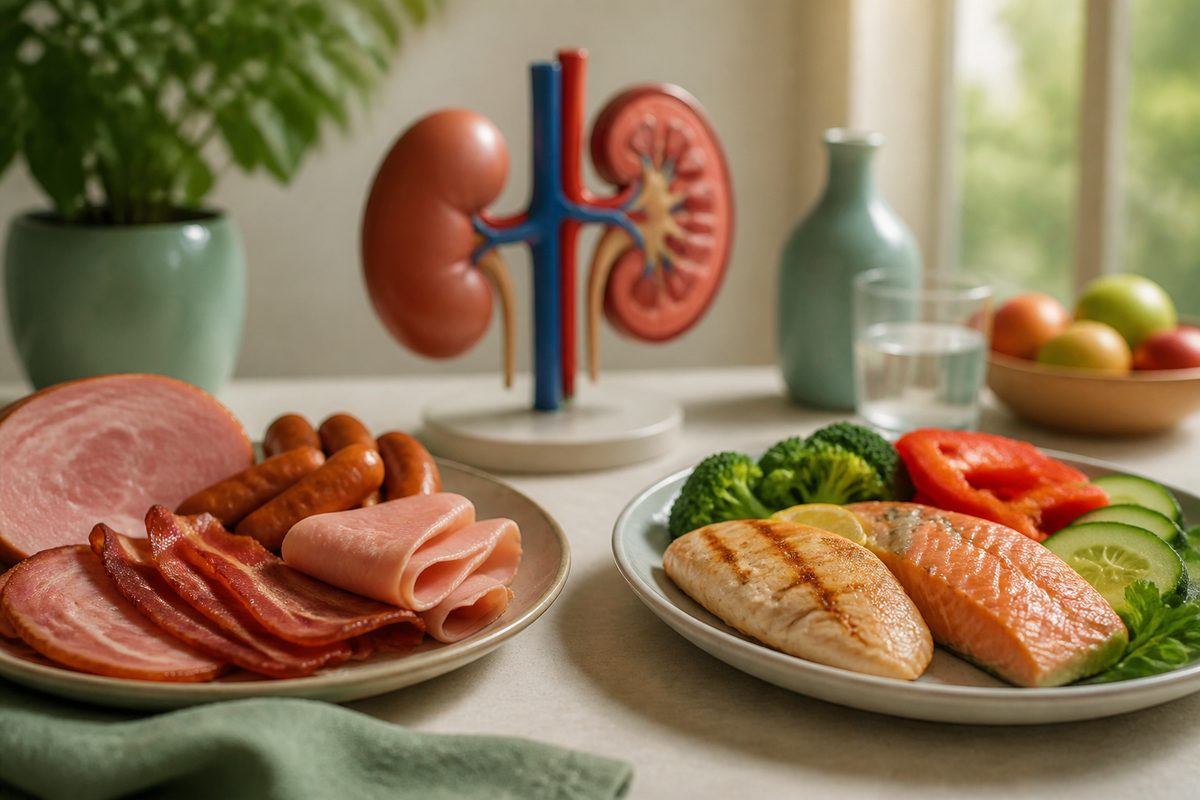
Pepperoni, salami, ham and sausage used on pizzas are processed meats rich in sodium phosphate additives (E338, E450, E452). These inorganic phosphates are ~ 90% absorbed and contribute significantly to serum phosphate in advanced CKD. A 'meat feast' pizza can deliver more additive phosphate than a processed meat portion because multiple meat types are stacked.
Potassium from cheese and tomato
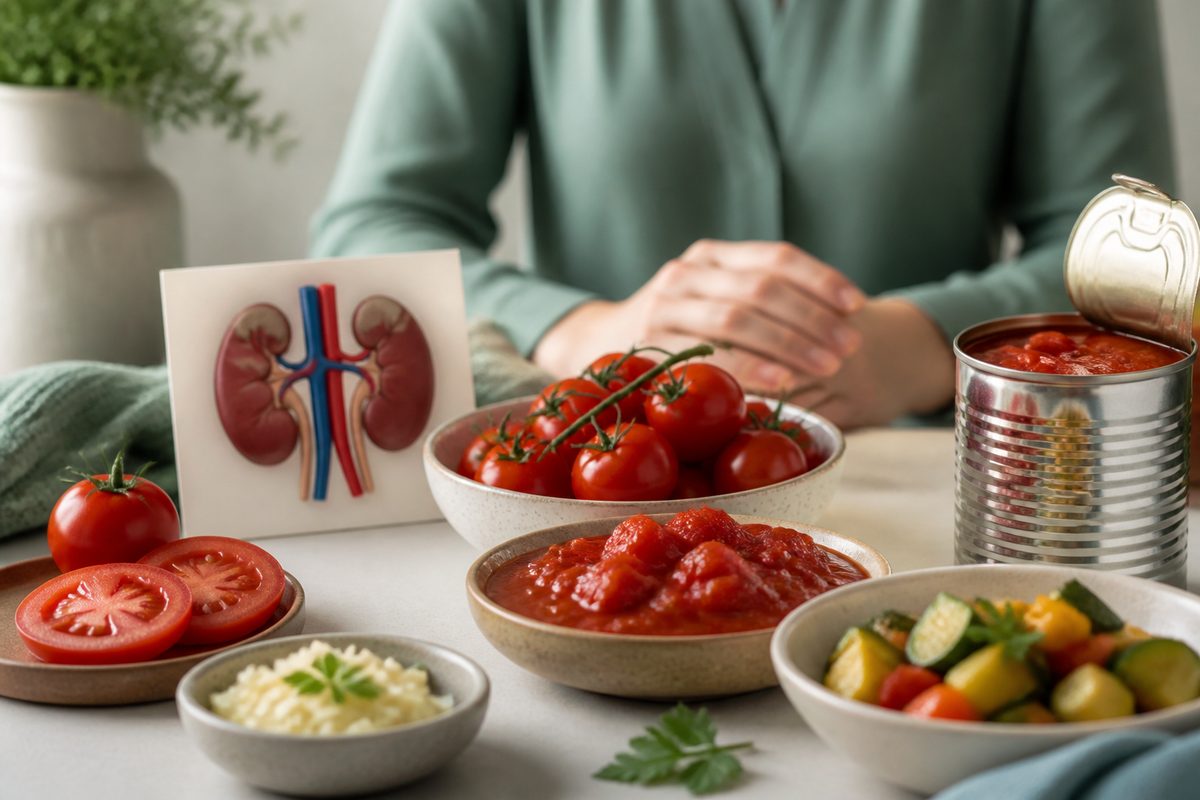
Mozzarella is lower in sodium than cheddar but still delivers ~ 150 mg potassium and ~ 120 mg phosphate per 30 g. Tomato pizza sauce is concentrated tomato — ~ 300 mg potassium per 100 g. A generous cheese layer plus thick tomato sauce stacks minerals quickly. In stage 4–5 CKD, this matters.
Building a renal-friendly pizza
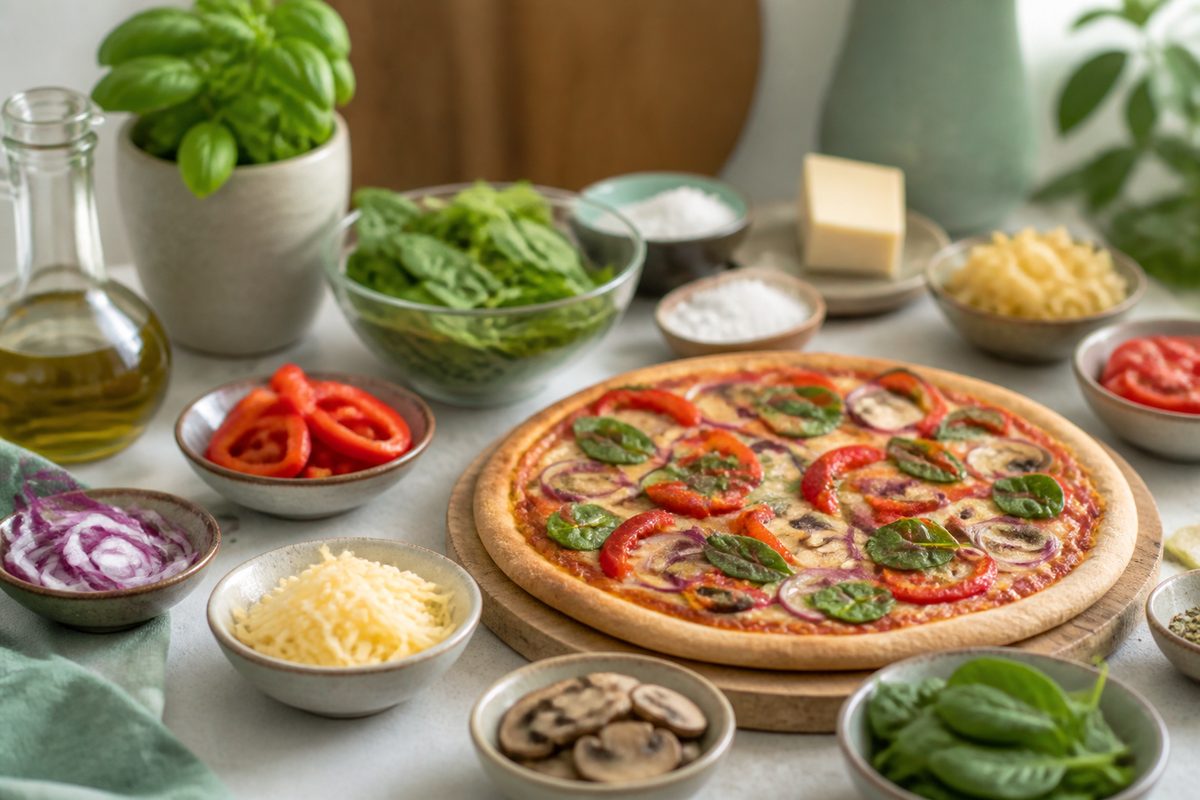
Base: thin wholemeal or plain base (homemade or low-salt supermarket option; check for phosphate dough conditioners E450–E452). Sauce: 2 tbsp low-salt tomato passata, spread thin; or garlic and olive oil base (pizza bianca). Cheese: 30 g fresh mozzarella ball, torn — lower sodium than block mozzarella. Toppings: roasted peppers, aubergine, courgette, mushrooms, red onion, rocket (after baking). Avoid: pepperoni, salami, ham, bacon, extra cheese, stuffed crust, olive-heavy toppings. Portion: 1–2 small slices with a large side salad.
Food first. If you are choosing a daily multivitamin alongside a balanced diet, Kidney Vitality was developed by a UK Consultant Nephrologist using renal nutrition principles. See the formulation.