Fluid restriction and beer
People on haemodialysis typically have a fluid restriction of 500-1000 ml per day above their urine output. One pint of beer uses most or all of that allowance. If you are anuric (no urine), one pint may exceed your daily limit. Fluid overload causes breathlessness, hypertension and heart failure -- the leading cause of death in dialysis patients.
Blood pressure and cardiovascular risk
Alcohol raises blood pressure both acutely and chronically. Hypertension is the second most common cause of CKD and accelerates progression in all stages. The British Heart Foundation advises that reducing alcohol intake is one of the most effective ways to lower BP. In CKD, where cardiovascular risk is already elevated, every unit of alcohol matters.
Beer and gout
Beer contains purines (from yeast) and alcohol impairs renal uric acid excretion. Together this makes beer one of the strongest dietary gout triggers. A large prospective study (Choi & Curhan, NEJM 2004) found that beer intake was strongly associated with incident gout -- much more so than wine or spirits. If you have hyperuricaemia, tophi or a history of gout, avoiding beer is advisable.
Practical CKD-friendly guidance
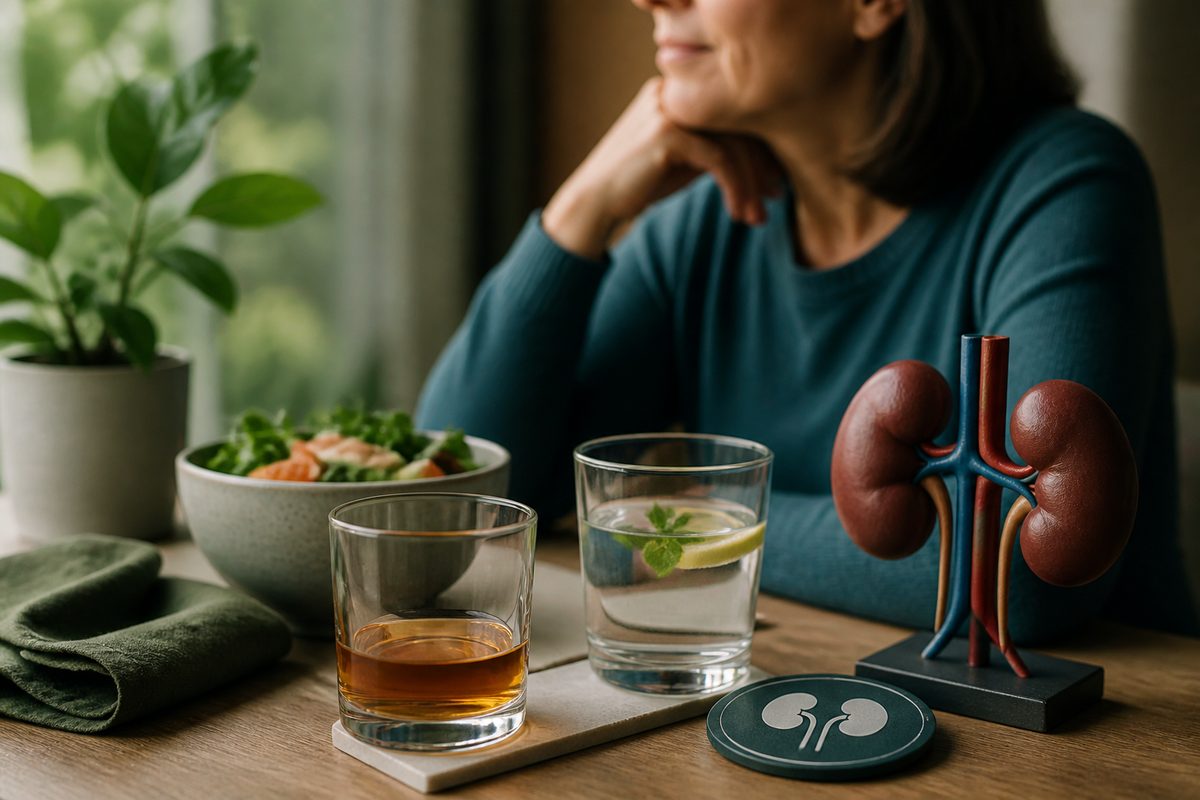
Best choice: avoid beer entirely, especially if on dialysis, fluid-restricted, hypertensive or gout-prone. If you choose to drink: maximum 1 small bottle (330 ml, ~ 1.5 units) on an occasional social occasion, not daily. Never binge -- 6 units in one session causes acute BP spikes and dehydration rebound. Alcohol-free beer: check sodium (some brands > 200 mg/330 ml) and remember it still counts as fluid. Avoid: 'low-alcohol' beers that are still 2-3% ABV, craft beers with very high ABV (some > 8%), and beer mixed with energy drinks or sugary mixers.
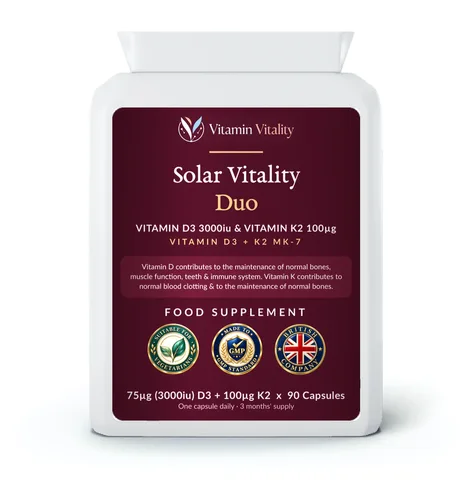
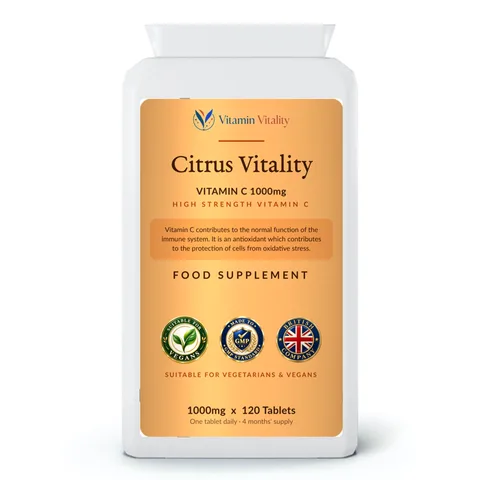
Food first. If you are choosing a daily multivitamin alongside a balanced diet, Kidney Vitality was developed by a UK Consultant Nephrologist using renal nutrition principles. See the formulation.