Clinician Guides 7 min read·Updated 4 October 2026 Clinician-reviewed
Turmeric and Kidney Disease
A UK Consultant Nephrologist's plain-English guide to turmeric and curcumin in kidney disease — what the evidence actually shows, the oxalate and bleeding considerations, and the interactions worth knowing before you start a supplement.
Turmeric as a cooking spice is generally fine in CKD. Concentrated curcumin supplements are a different question: the human evidence for benefit in kidney disease is weak and short-term, turmeric is relatively high in oxalate, and high doses can interact with anticoagulants, transplant immunosuppression and diabetes medication. Discuss any turmeric supplement with your renal team before starting, and don't use it in place of prescribed treatment.
Key recommendation: Culinary turmeric and concentrated curcumin supplements are not the same exposure.
Kidney Vitality is a daily multivitamin developed by a UK Consultant Nephrologist — no added potassium, phosphorus or magnesium. From £31.44.Buy noworsee pricing
Quick answer
✓ Best choices
Vegetables, lower-potassium fruit and whole grains
Sensible portions of fish, eggs, chicken or tofu
Olive oil and unsalted nuts in small amounts
✓ Foods to limit
Added salt and ultra-processed foods
Phosphate additives in processed meats and ready meals
Sugary and energy drinks
Key takeaway
Turmeric as a cooking spice is generally fine in CKD. Concentrated curcumin supplements are a different question: the human evidence for benefit in kidney disease is weak and short-term, turmeric is relatively high in oxalate, and high doses can interact with anticoagulants, transplant immunosuppression and diabetes medication. Discuss any turmeric supplement with your renal team before starting, and don't use it in place of prescribed treatment.
Who should be cautious
People on dialysis, post-transplant, pregnant or breastfeeding, or taking prescription medication — confirm with your renal team before changes.
What turmeric and curcumin actually are
Turmeric is the rhizome of Curcuma longa, used widely in South Asian cooking. Its most studied constituents are the curcuminoids, of which curcumin is the main one. Turmeric powder is only around 2–5% curcuminoids by weight, so a supplement standardised to 95% curcumin delivers a far larger dose than any realistic amount of food.
Key Distinctions
CULINARY TURMERIC — a spice used in cooking; small curcuminoid exposure
STANDARDISED EXTRACTS — capsules delivering hundreds of milligrams of curcuminoids daily
ENHANCED-ABSORPTION FORMULATIONS — phytosome, micellar or piperine-containing products designed to raise blood levels several-fold
Curcumin is poorly absorbed on its own, which is why so many products add piperine (black pepper extract). That same absorption enhancement is what raises the potential for drug interactions.
What the evidence shows in kidney disease
Interest in turmeric for CKD comes largely from preclinical work — cell and animal models showing reduced inflammatory signalling, oxidative stress and fibrosis.
What Human Studies Look Like
Small numbers of participants, often fewer than 100
Short follow-up, typically 8–12 weeks
Different preparations, doses and absorption enhancers between trials
Surrogate endpoints such as CRP, IL-6 or lipid peroxidation markers
Inconsistent results, with several neutral trials
What Is Not Shown
No demonstrated slowing of eGFR decline
No demonstrated reduction in progression to kidney failure
No demonstrated reduction in cardiovascular events in CKD
The honest summary is that turmeric is a plausible anti-inflammatory agent with weak, short-term human data in kidney disease, and it should not displace anything your renal team has prescribed.
Kidney Vitality is a daily multivitamin developed by a UK Consultant Nephrologist using renal nutrition principles. It contains no added potassium, magnesium, phosphorus or iron, and no herbal blends. See the formulation.
Oxalate, stones and the renal diet
Turmeric is comparatively high in soluble oxalate. Oxalate is absorbed in the gut, filtered by the kidneys and excreted in urine, where it can combine with calcium to form crystals.
Who Should Be Cautious
Anyone with a history of calcium-oxalate kidney stones
People with reduced eGFR, who clear oxalate less efficiently
People taking several oxalate-rich supplements together (turmeric, high-dose vitamin C, some greens powders)
Practical Steps
Keep turmeric to culinary amounts if you form stones
Maintain the fluid intake advised by your team
Take dietary calcium with meals rather than avoiding it — it binds oxalate in the gut
Ask a renal dietitian before adding any concentrated botanical supplement to a renal diet
Interactions and safety points that matter in renal care
Bleeding Risk
Curcumin may add to warfarin, DOACs, aspirin and clopidogrel
Relevant before fistula or graft surgery, kidney biopsy or catheter insertion
Transplant Immunosuppression
Curcumin can affect the enzymes and transporters handling tacrolimus and ciclosporin
Levels can move in either direction — avoid unless your transplant team agrees
Diabetes
Possible additive glucose-lowering effect with insulin or sulfonylureas
Liver
Rare but documented liver injury with high-dose and enhanced-absorption products
Stop and seek review if you develop nausea, dark urine, itching or jaundice
Product Quality
Botanical supplements vary in content and purity between batches
Proprietary blends may not declare every ingredient amount, which makes clinical review difficult
How to discuss turmeric with your renal team
What To Bring To Clinic
The actual product label or photo, including the curcuminoid amount and any piperine
How long you have been taking it and at what dose
Your full list of other supplements
Questions Worth Asking
Does this interact with any of my current medications?
Given my eGFR and stone history, is the oxalate content a concern for me?
Should I stop it before my planned procedure or surgery?
Are my liver blood tests due for a check?
A Simpler Alternative
If the aim is general daily nutritional support rather than treating kidney disease, a transparent vitamin product with a fully declared panel — and no added potassium, phosphorus, magnesium, iron or herbal blends — is far easier for a renal team to assess than a proprietary botanical blend. Food supplements are not a treatment for kidney disease, and any product should be reviewed alongside your bloods and prescriptions.
Related reading: Kidney Stones Diet — What to Eat & Avoid.
Key practical tips
Designed for quick scanning — what to order, what to avoid, sensible portions, common mistakes.
Cook from scratch when you can
Read sodium labels (≤ 0.3 g per 100 g is low)
Take any concerns to your GP or renal team early
Clinical guidance
TL;DR summary
Turmeric as a cooking spice is generally fine in CKD. Concentrated curcumin supplements are a different question: the human evidence for benefit in kidney disease is weak and short-term, turmeric is relatively high in oxalate, and high doses can interact with anticoagulants, transplant immunosuppression and diabetes medication. Discuss any turmeric supplement with your renal team before starting, and don't use it in place of prescribed treatment.
Key takeaways
Culinary turmeric and concentrated curcumin supplements are not the same exposure.
No good human evidence that turmeric improves kidney function or slows CKD.
Turmeric is relatively high in oxalate — relevant for calcium-oxalate stone formers.
High-dose curcumin can interact with warfarin, DOACs, tacrolimus and ciclosporin.
Rare liver injury has been reported with enhanced-absorption curcumin products.
Kidney Diet & Nutrition Considerations
Diet is one of the most powerful tools you have to look after your kidneys. UK renal guidance points to a Mediterranean-style, reduced-salt pattern: plenty of vegetables, lower-potassium fruit, whole grains, sensible protein, beans and pulses in moderation, oily fish and olive oil. Personal targets — for potassium, phosphate, protein and fluid — should be set by your renal team based on your bloods.
Foods to prioritise
Vegetables, lower-potassium fruit and whole grains
Sensible portions of fish, eggs, chicken or tofu
Olive oil and unsalted nuts in small amounts
Foods to limit
Added salt and ultra-processed foods
Phosphate additives in processed meats and ready meals
Sugary and energy drinks
Potassium, phosphate and protein needs vary between individuals — please confirm personal targets with your renal team or dietitian. Browse the Kidney Diet Hub for more guides in this cluster.
Frequently asked questions
Is turmeric safe if you have kidney disease?
Turmeric used as a culinary spice in normal cooking amounts is generally considered fine for most people with chronic kidney disease (CKD). The questions arise with concentrated turmeric or curcumin supplements, which deliver far more than a food portion. These carry three practical concerns in kidney disease: turmeric is relatively high in oxalate, concentrated doses may increase bleeding risk alongside anticoagulants, and supplement quality varies. Anyone with CKD, a transplant, or a history of kidney stones should discuss a turmeric supplement with their renal team or pharmacist before starting.
Does turmeric or curcumin improve kidney function?
There is no good evidence that turmeric or curcumin improves kidney function, slows CKD progression, or replaces prescribed treatment. Most of the interest comes from laboratory and animal studies showing anti-inflammatory and antioxidant effects. Human trials in CKD and dialysis populations are small, short and use different preparations and doses, with inconsistent results on markers such as CRP and oxidative stress. Nothing in that evidence base supports using turmeric as a treatment for kidney disease. Blood pressure control, diabetes control, prescribed medication and regular monitoring remain the interventions that change outcomes.
Can turmeric cause kidney stones?
Turmeric is comparatively high in soluble oxalate, and a proportion of that oxalate is absorbed and excreted by the kidneys. For someone with a history of calcium-oxalate kidney stones, or with reduced kidney function, regular high-dose turmeric supplements may add meaningfully to the daily oxalate load. Culinary use in cooking contributes far less. If you form stones, discuss turmeric supplements with your urology or renal team, keep fluid intake up, and don't combine several concentrated oxalate-rich supplements at once.
Does turmeric interact with kidney medications?
Concentrated curcumin can interact in ways that matter in renal care. It may add to the effect of warfarin, direct oral anticoagulants and antiplatelet drugs, increasing bleeding risk — relevant before dialysis access surgery or a biopsy. It can affect the enzymes and transporters that handle tacrolimus and ciclosporin, so transplant recipients should avoid supplements unless their transplant team agrees. Turmeric may also lower blood glucose alongside diabetes medication, and many products add piperine (black pepper extract) which increases absorption of curcumin and of other drugs. Always show your full supplement list to your renal pharmacist.
How much turmeric is too much in CKD?
There is no CKD-specific safe upper limit. As a practical framework: turmeric used to season food is a normal part of a varied diet; concentrated capsules, high-strength extracts, 'golden paste' regimens and turmeric shots taken daily are a different exposure and should be a shared decision with your clinician. Stop and seek advice if you develop unexplained bruising or bleeding, nausea and abdominal pain, or a rise in liver blood tests — rare liver injury has been reported with high-dose curcumin products, particularly those with enhanced-absorption formulations.
What should I do instead of a turmeric supplement?
Focus on what has the strongest evidence in CKD: blood pressure and diabetes control, prescribed kidney-protective medication, dietary changes agreed with a renal dietitian, and regular eGFR and urine ACR monitoring. If you want a supplement, keep it simple and transparent — a vitamin product with a fully declared panel and no added potassium, phosphorus, magnesium, iron or herbal blends is easier for your renal team to assess than a proprietary botanical blend. Take the label to your next clinic appointment so it can be checked against your bloods and medications.
What foods are good for kidney health?
A Mediterranean-style, mostly plant-based, reduced-salt diet is the most consistent evidence-based pattern for kidney health. Build meals around vegetables, lower-potassium fruit, whole grains, fish, eggs or tofu, beans and pulses in moderation, and olive oil.
Nutritional challenges in kidney disease
Many people living with kidney disease have to limit foods because of potassium, phosphate, diabetes, dialysis, appetite changes or simply the time it takes to cook from scratch every day. That can make it harder to keep daily nutrition balanced — particularly for vitamins and minerals that food alone may not fully cover.
Kidney Vitality is a UK-formulated daily nutritional support product designed by Consultant Nephrologist Professor Mohammed Mahdi Althaf with renal nutrition in mind from the start. It keeps doses moderate, leaves out added potassium, phosphate and magnesium, and avoids megadose vitamin A — sitting alongside a kidney-friendly diet, not replacing it.
Why Kidney Vitality fits this need
Built around UK renal guidance
Aligned with NICE NG203 (CKD assessment and management) and UK renal dietetic practice.
Designed by a UK Consultant Nephrologist
Reviewed by Professor Mohammed Mahdi Althaf (GMC 7216325).
Evidence-based by design
Plain-English UK guidance for adults weighing up turmeric and curcumin supplements.
Designed by a UK Consultant Nephrologist
Ready to support your kidney health?
If you have been researching kidney health, supplements, CKD nutrition or kidney-friendly living, Kidney Vitality was developed specifically around those principles by Professor Mohammed Mahdi Althaf (GMC 7216325). Nephrologist Developed Daily Multivitamin.
✓ Free UK tracked delivery · ✓ Delivered every 30 days · ✓ Pause or cancel anytime · ✓ Never run out
Comparison
Kidney Vitality
Typical high-street multivitamin
Added potassium
None
Often included
Added phosphate
None
Often included (E338–E452)
Vitamin A (retinol)
No megadose
Often high-dose retinol
Kidney-focused formulation
Yes
No — general population
Consultant Nephrologist involvement
Yes (GMC 7216325)
No
UK GMP manufactured
Yes (BRCGS, NSF GMP)
Varies
Food supplement. Not a medicine and not a treatment for kidney disease. Speak with your GP, pharmacist or renal team before starting any new supplement, especially in advanced CKD, on dialysis, post-transplant, pregnant or breastfeeding.
Professor Mohammed Mahdi Althaf is a UK Consultant Nephrologist and Acute Physician with a special interest in chronic kidney disease, AKI prevention and renal nutrition. He combines hospital practice with patient education and clinical guidance review.
Each article is researched against current UK clinical guidance (NICE NG203, NG118, NG136), NHS patient resources, KDIGO and KDOQI international guidelines, and the British Dietetic Association Renal Nutrition Group. Drafts are written by the Kidney Vitality editorial team and reviewed by a UK Consultant Nephrologist before publication. Content is reviewed on a rolling basis and updated when guidance changes.
Editorial standards
Clinically reviewed
NHS-aligned
NICE-aligned
Evidence-based
Reviewed before publication
View full editorial processHide editorial process
Every article is researched and written by the Kidney Vitality editorial team using current UK clinical guidance (NICE NG203, NG118, NG136), NHS patient resources, KDIGO/KDOQI international guidelines, and British Dietetic Association renal nutrition guidance. Drafts are reviewed for clinical accuracy by Professor Mohammed Mahdi Althaf, MD, MSc, PgDip (Clin Ed), FRCP, FHEA, FASN (Consultant Nephrologist & Acute Physician, GMC 7216325) before publication. Content is updated when UK guidance changes.
This content is educational only and does not replace personalised medical advice.
Read full disclaimerHide full disclaimer
This page is general information, not personal medical advice. If you have chronic kidney disease, are on dialysis, have had a kidney transplant, are pregnant or breastfeeding, or take prescription medication, please confirm any supplement with your GP, pharmacist or renal team before starting.
From the makers of Kidney Vitality
Explore our other products
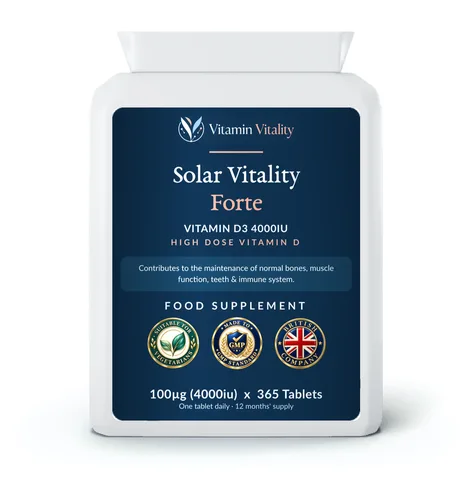
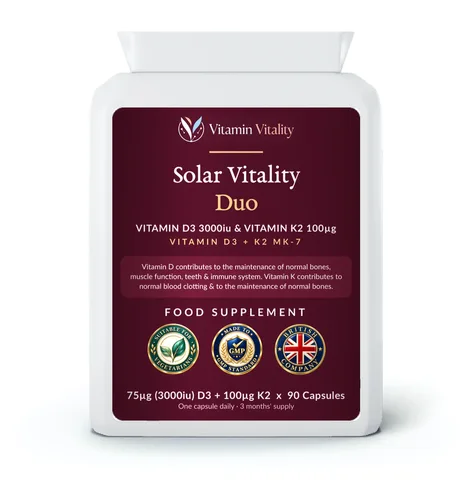
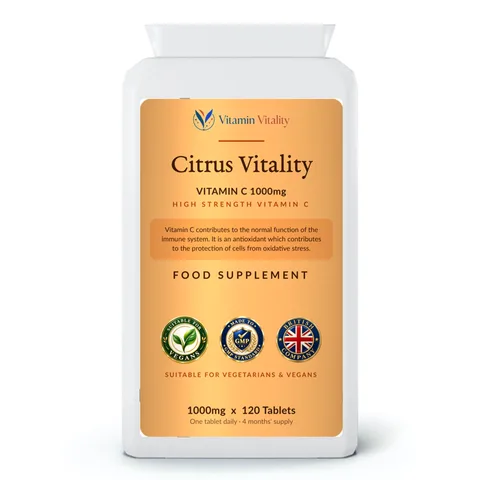
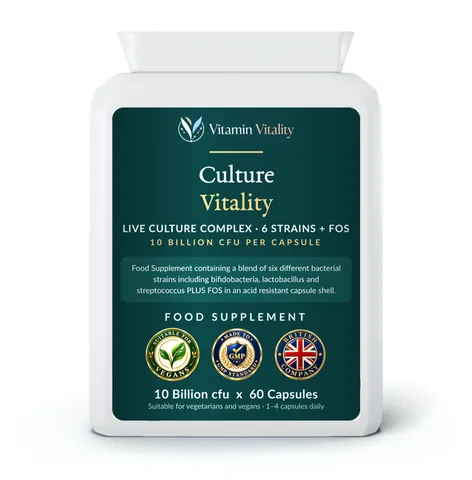
Discover the full Vitamin Vitality range — clinically dosed daily supplements, third-party tested and made in the UK.