Why watermelon is misleading on a renal diet
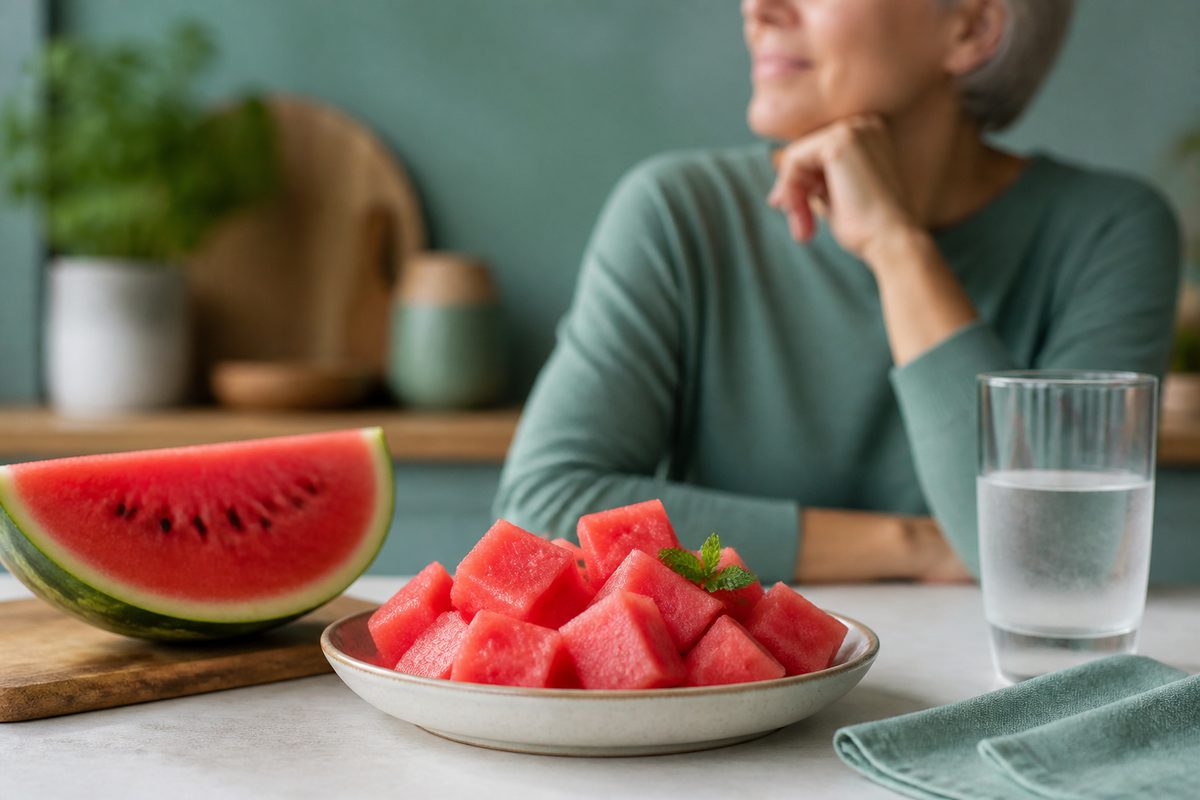
Per 100 g, watermelon is one of the lower-potassium fruits. But unlike an apple (eaten as one item), watermelon is sold and eaten in large portions: a single 'slice' is often 300–500 g, and a half-melon can be 2 kg.
500 g of watermelon = ~ 550 mg potassium AND ~ 460 ml fluid. That's most of a stage-5 patient's daily fluid allowance, on top of a meaningful potassium load.
Portion by CKD stage
- Stage 1–3: 200–300 g per portion, daily if you like — enjoy.
- Stage 3b–4: 150 g portions, not every day.
- Stage 5 / dialysis with fluid restriction: 100–150 g (≈ a small wedge), counted as part of fluid allowance.
- Hyperkalaemia episode: avoid until potassium normalises.
What about benefits?
Watermelon contains:
- Lycopene — a carotenoid linked to lower cardiovascular and prostate-cancer risk.
- Citrulline — an amino acid that mildly improves blood-vessel function and may modestly lower BP.
- Vitamin C.
These are real but modest. There is no reliable evidence that watermelon improves kidney function, reverses CKD, or 'cleanses' the kidneys.
Practical CKD-friendly ideas
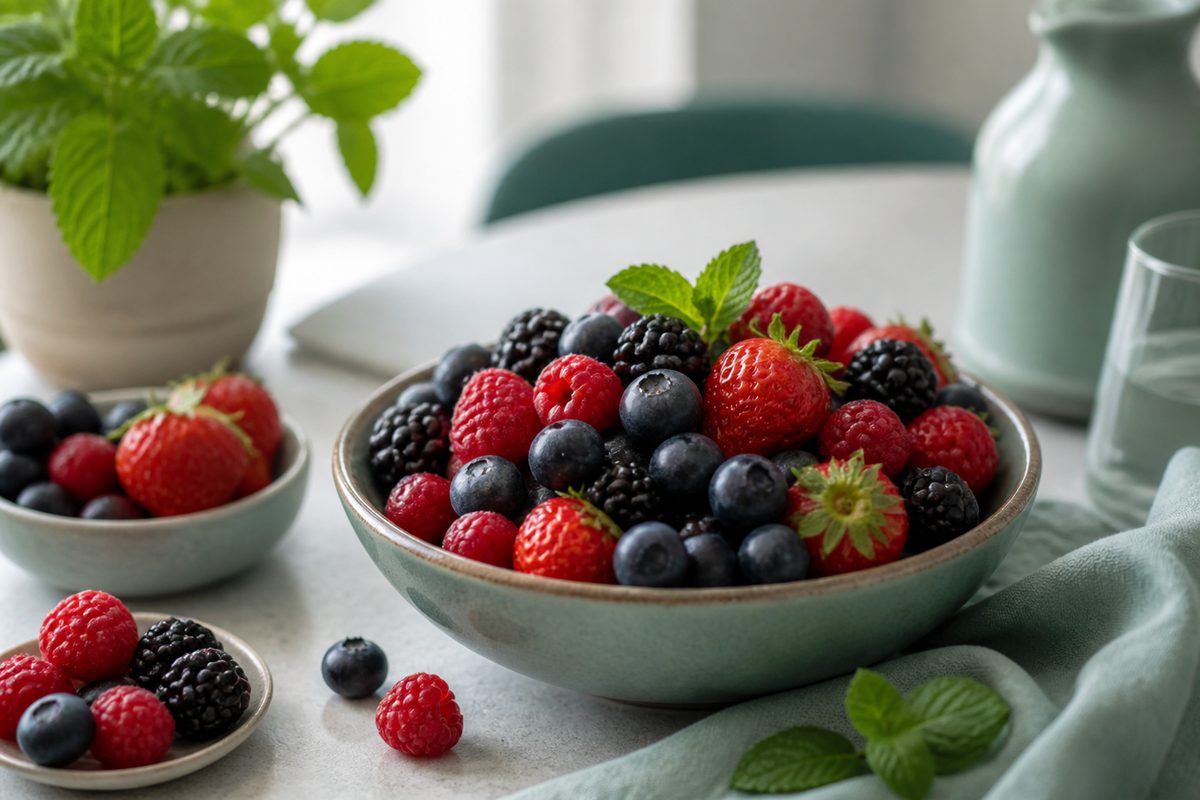
- Cube 100 g and add to a small fruit salad with berries and a few mint leaves.
- Use as a hydration treat in hot weather — but log fluid intake.
- Avoid bottled 'watermelon juice', 'watermelon water' and watermelon smoothies — concentrated K and sugar.
- Avoid combining watermelon with banana or melon (cantaloupe / honeydew) in the same meal — total potassium climbs quickly.
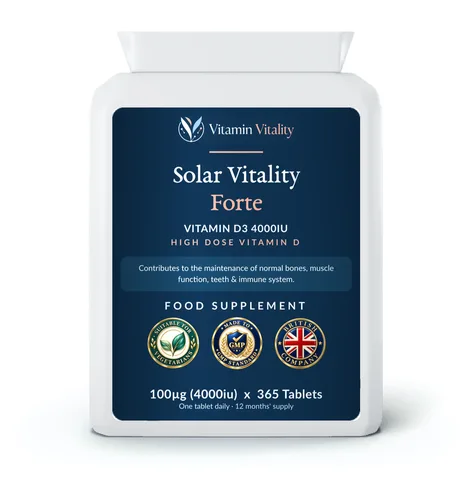
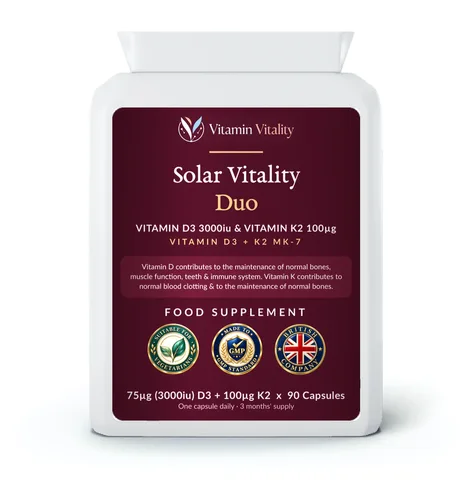
Kidney Vitality is a daily multivitamin developed by a UK Consultant Nephrologist using renal nutrition principles. It contains no added potassium, magnesium, phosphorus or iron, and no herbal blends. See the formulation.