Ceylon vs cassia — why the distinction matters
Most ground cinnamon sold in UK supermarkets is cassia (Cinnamomum cassia or C. burmannii), not Ceylon. The difference is coumarin, a naturally occurring compound that is hepatotoxic at high intakes:
- Ceylon (Cinnamomum verum, 'true cinnamon'): approximately 0.004% coumarin
- Cassia: approximately 0.1–1% coumarin — up to several hundred times more
Ceylon quills are pale, thin and layered like a cigar and crumble easily; cassia quills are thicker, darker and hard. If a label just says 'cinnamon', assume cassia. This is the single most useful practical fact in this guide: nearly every safety warning about cinnamon is really a warning about cassia.
What the coumarin limit means in real portions
EFSA set a tolerable daily intake (TDI) for coumarin of 0.1 mg per kg of body weight per day. For a 70 kg adult that is about 7 mg a day, and the TDI is designed for lifelong daily intake with a safety margin — a one-off higher day is not a poisoning.
- 1 teaspoon (~2.6 g) cassia cinnamon: roughly 2.6–26 mg coumarin, depending on batch
- 1 teaspoon (~2.6 g) Ceylon cinnamon: roughly 0.1 mg coumarin
So a heavy daily cassia habit — cinnamon in coffee, on porridge and in baking — can exceed the TDI, while the same amount of Ceylon does not come close. Coumarin is a liver issue rather than a kidney one, but in CKD you are usually already carrying a heavier medication burden, so avoidable liver stress is worth avoiding.
The kidney claims — what the evidence actually shows
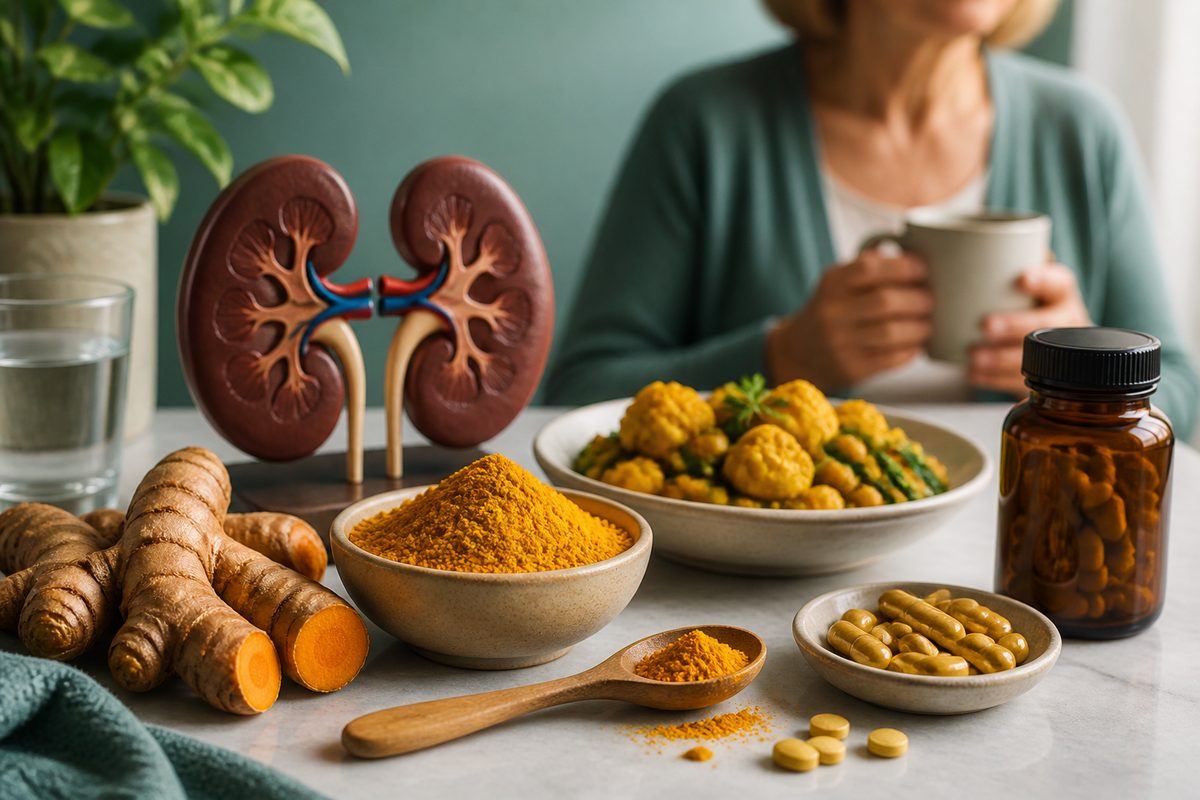
Cinnamon is widely marketed online for 'kidney cleansing', 'detox', lowering creatinine and reversing kidney damage. None of that is supported:
- No randomised controlled trial has shown cinnamon improves eGFR, creatinine or albuminuria in people with CKD.
- The supportive data are almost entirely rodent studies using doses far above human culinary intake, often in chemically induced kidney injury models.
- There is no authorised EU/UK health claim for cinnamon relating to kidney function, blood glucose or detoxification. Products making them are non-compliant.
The honest summary: cinnamon is a pleasant, low-mineral spice. It is not a treatment for kidney disease, and no supplement is.
Food first. If you are choosing a daily multivitamin alongside a balanced diet, Kidney Vitality was developed by a UK Consultant Nephrologist using renal nutrition principles. See the formulation.
Blood sugar, diabetes and diabetic kidney disease
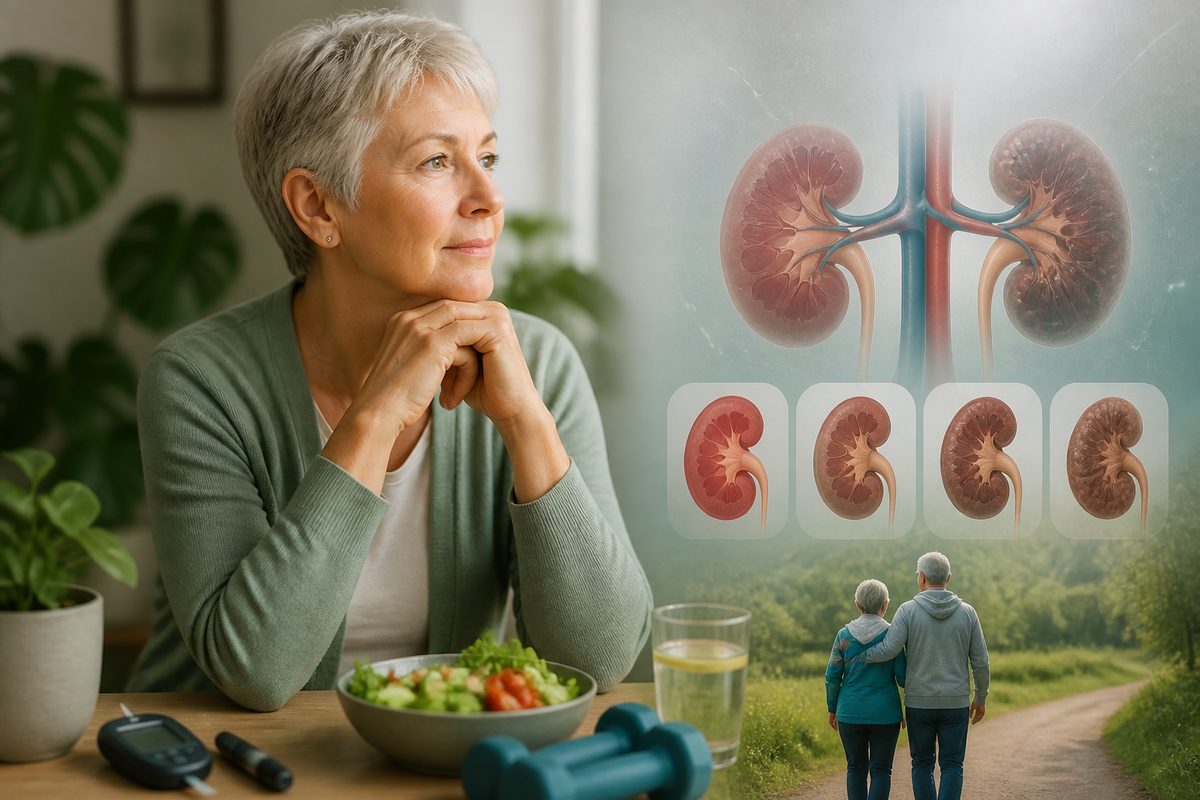
Because diabetes causes around a quarter of UK kidney failure, the blood-sugar claim matters more than the others. The trial picture:
- Several small RCTs (typically 1–6 g/day for 8–16 weeks) show modest reductions in fasting plasma glucose.
- Meta-analyses find no consistent, clinically meaningful reduction in HbA1c.
- Trials vary in cinnamon type, dose and extract standardisation, so results are hard to pool.
- NICE guidance on type 2 diabetes (NG28) does not recommend cinnamon.
If you have diabetic kidney disease, the interventions with real evidence behind them are glycaemic control, blood pressure below 130/80 mmHg where tolerated, an ACE inhibitor or ARB, and an SGLT2 inhibitor where appropriate. Cinnamon on your porridge is fine; cinnamon instead of your medication is not.
Where cinnamon supplements go wrong in CKD
Capsules and extracts are a different product to the spice jar, and the risks cluster in a few areas:
- Coumarin load: cassia-based extracts can deliver many times a culinary dose. Case reports link high-dose cassia supplements to raised liver enzymes and hepatitis.
- Warfarin: coumarin-containing supplements and cinnamon extracts have been associated with raised INR. If you are anticoagulated, do not start a cinnamon supplement without telling your anticoagulation clinic.
- Additive hypoglycaemia: combined with gliclazide or insulin, a glucose-lowering effect can be unhelpful rather than helpful.
- Blend contamination: 'metabolic support' blends often add chromium, bitter melon, berberine or potassium salts. Potassium-containing blends are the ones renal teams worry about most.
- Unregulated dosing: 'cinnamon extract 10:1' tells you nothing reliable about coumarin content.
In advanced CKD, dialysis or after a transplant, run any herbal supplement past your renal pharmacist first — herb–immunosuppressant interactions are a real problem post-transplant.
How to use cinnamon well on a renal diet
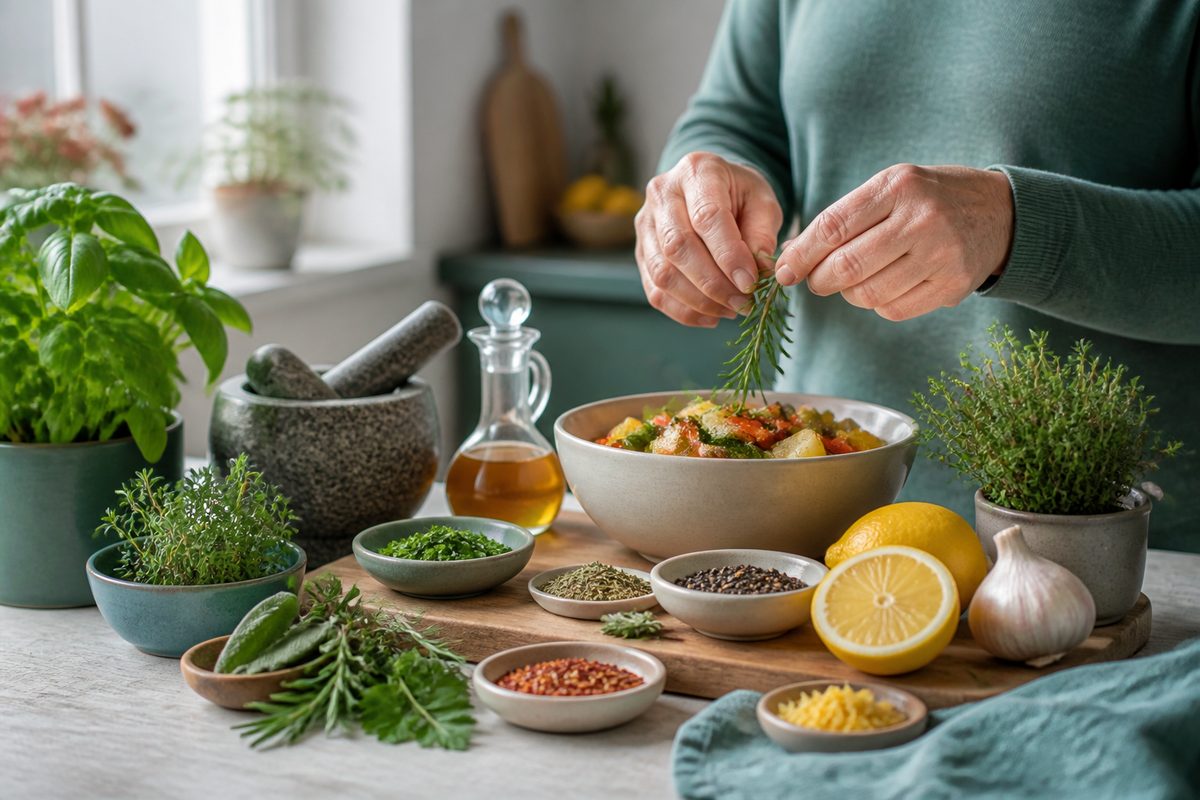
The genuinely useful role for cinnamon in CKD is flavour without salt. Renal diets fail most often because food tastes bland once sodium comes down, and warm spices are one of the best fixes.
- Choose Ceylon if you use cinnamon daily; cassia is fine for occasional baking.
- Nutrition per teaspoon (~2.6 g): about 11 mg potassium, 1.6 mg phosphate, 0 mg sodium — negligible on any restriction.
- Good renal-friendly uses: porridge or rice pudding, stewed apple or pear, roasted carrots and parsnips, rice dishes, black or herbal tea, a pinch in coffee.
- Pair with other salt-free flavour builders: black pepper, cumin, paprika, lemon zest, garlic, fresh herbs.
- Avoid 'low-sodium' seasoning blends that contain cinnamon plus potassium chloride — check the ingredients list.
- Skip cinnamon-flavoured drinks and pastries that carry the sugar and phosphate additives rather than the spice benefit.
When to speak to your kidney team
Book a review before or soon after starting any cinnamon product if you:
- Take warfarin or another anticoagulant
- Take insulin or a sulfonylurea
- Have CKD stage 4 or 5, are on dialysis, or have had a transplant
- Have liver disease or abnormal liver blood tests
- Are taking several herbal products at once
Also stop and seek advice if you develop nausea, upper-abdominal pain, dark urine or yellowing of the skin or eyes after starting a high-dose supplement — those can indicate liver injury.