What carbonation actually does
Carbonated water is plain water with dissolved carbon dioxide (CO₂) under pressure. When you open the bottle, the gas comes out of solution as bubbles. In the body, the small amount of CO₂ swallowed is excreted by the lungs within minutes and has no measurable effect on kidney function, blood pH, or electrolytes. The slight tang of sparkling water comes from carbonic acid, which is also rapidly neutralised.
From the kidneys' point of view, plain sparkling water behaves like still water — it hydrates you, it is excreted, and that is it.
Reading the label: sodium and 'minerals'
There are three common categories of sparkling water in UK supermarkets, and they differ a lot:
- Sparkling spring/mineral water (e.g. Highland Spring Sparkling, Buxton Sparkling, Perrier): usually < 20 mg sodium per litre — negligible.
- Soda water / club soda: made by adding sodium bicarbonate to carbonated water. Typically 200–500 mg sodium per litre — significant on a low-sodium CKD plan.
- Flavoured sparkling waters and 'sparkling drinks': often contain added citric acid, sweeteners (sucralose, acesulfame K), 'natural flavour', and sometimes added phosphate as a preservative. Read the label.
If you are on a low-sodium plan (most adults with CKD or hypertension), pick a sparkling spring water with sodium < 50 mg/L. The label on the bottle will list it as 'sodium' or 'Na'.
The bone-density myth
You may have read that 'fizzy water leaches calcium from your bones'. The studies behind that claim looked specifically at cola drinks — which contain phosphoric acid and caffeine — and consistently found no effect with plain sparkling water. NHS and British Dietetic Association reviews are clear: plain carbonated water does not weaken bones and does not damage the kidneys.
What actually matters for bones in CKD is vitamin D status, calcium intake, phosphate control, parathyroid hormone (PTH) and physical activity — not the bubbles in your water.
Sparkling water and kidney stones
For stone formers, the single most important thing is total fluid intake — aiming for urine that is pale straw-coloured most of the day. Plain sparkling water counts. Some patients find sparkling water easier to drink in volume than still — if that helps you hit 2–2.5 L/day, use it.
Sparkling waters that contain citrate (a few European mineral waters list it explicitly) may be modestly protective against calcium-oxalate stones, because urinary citrate inhibits crystal formation. This is a small effect on top of the bigger effect of just drinking enough.
Fluid restriction in advanced CKD or dialysis
If your renal team has set a daily fluid limit (often 800–1,500 ml in advanced CKD or between dialysis sessions), every drink counts — including sparkling water. The bubbles do not make it 'free fluid'.
Practical tips: use smaller glasses, sip slowly, and use sugar-free chewing gum or ice chips when you feel thirsty rather than another drink. Cold sparkling water can feel more satisfying than still water in smaller volumes, which some patients find helpful on a restriction.
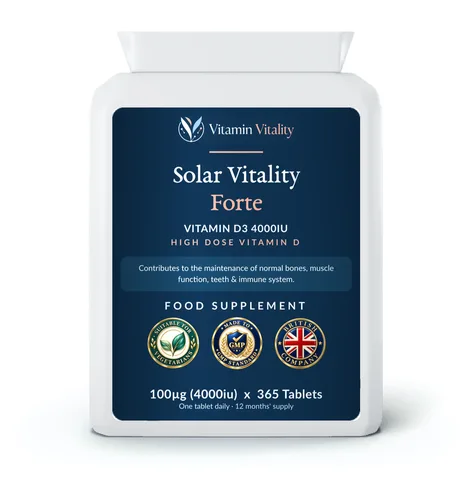
Kidney Vitality is a daily multivitamin developed by a UK Consultant Nephrologist using renal nutrition principles. It contains no added potassium, magnesium, phosphorus or iron, and no herbal blends. See the formulation.
Plain sparkling water vs fizzy soft drinks
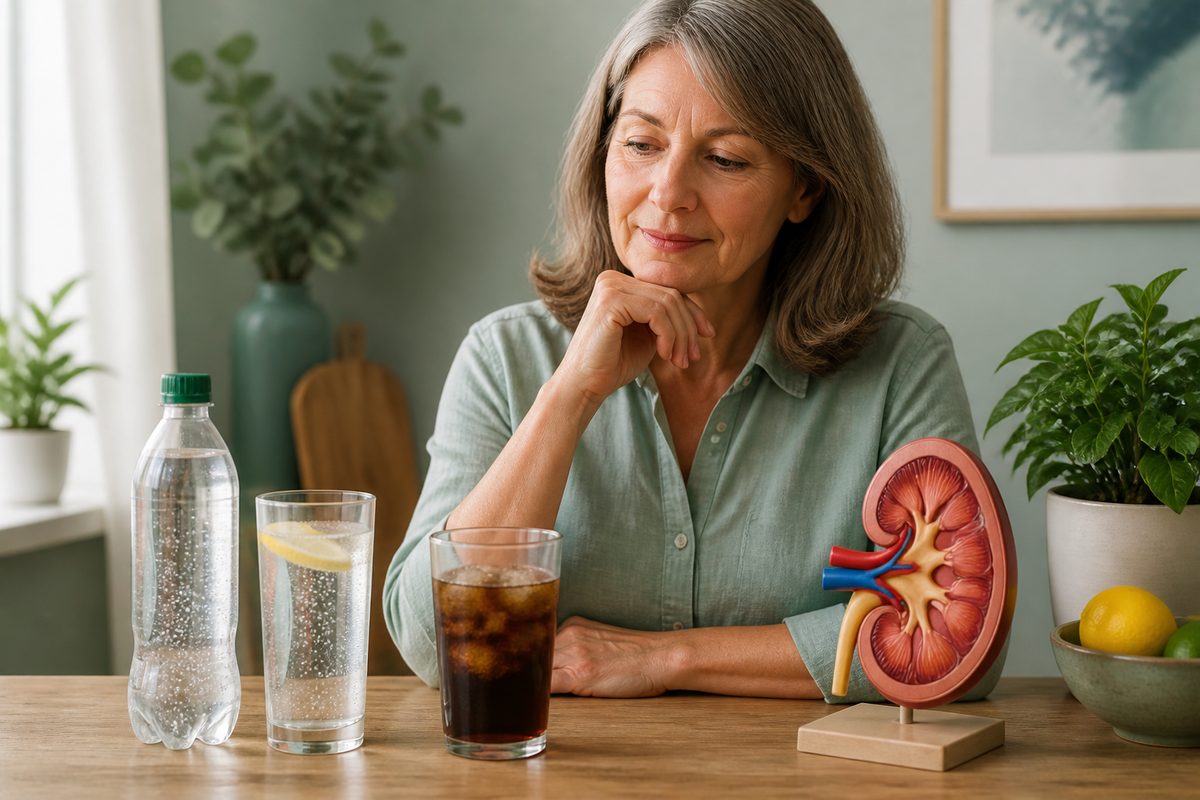
Don't confuse plain sparkling water with fizzy soft drinks — they are very different from a kidney point of view.
- Dark colas (Coca-Cola, Pepsi, store-brand cola): contain phosphoric acid, which is rapidly absorbed phosphate. Several observational studies, including in the US Nurses' Health Study, have linked daily dark-cola intake (≥ 2 cans/day) to lower kidney function. Best avoided in CKD.
- Sugary fizzy drinks (lemonade, fruit-flavoured soda, energy drinks): worsen blood pressure, weight and diabetes — all major CKD risk factors.
- 'Diet' or 'zero' versions: avoid the sugar, but artificial sweeteners are not a free pass — large studies have linked very high intake to worse cardio-renal outcomes. Use as an occasional drink, not a daily habit.
If you want fizz with no sugar, no caffeine and no phosphoric acid, plain sparkling water (or sparkling water with a slice of lemon/lime) is the kidney-friendly choice.