Why blending concentrates risk
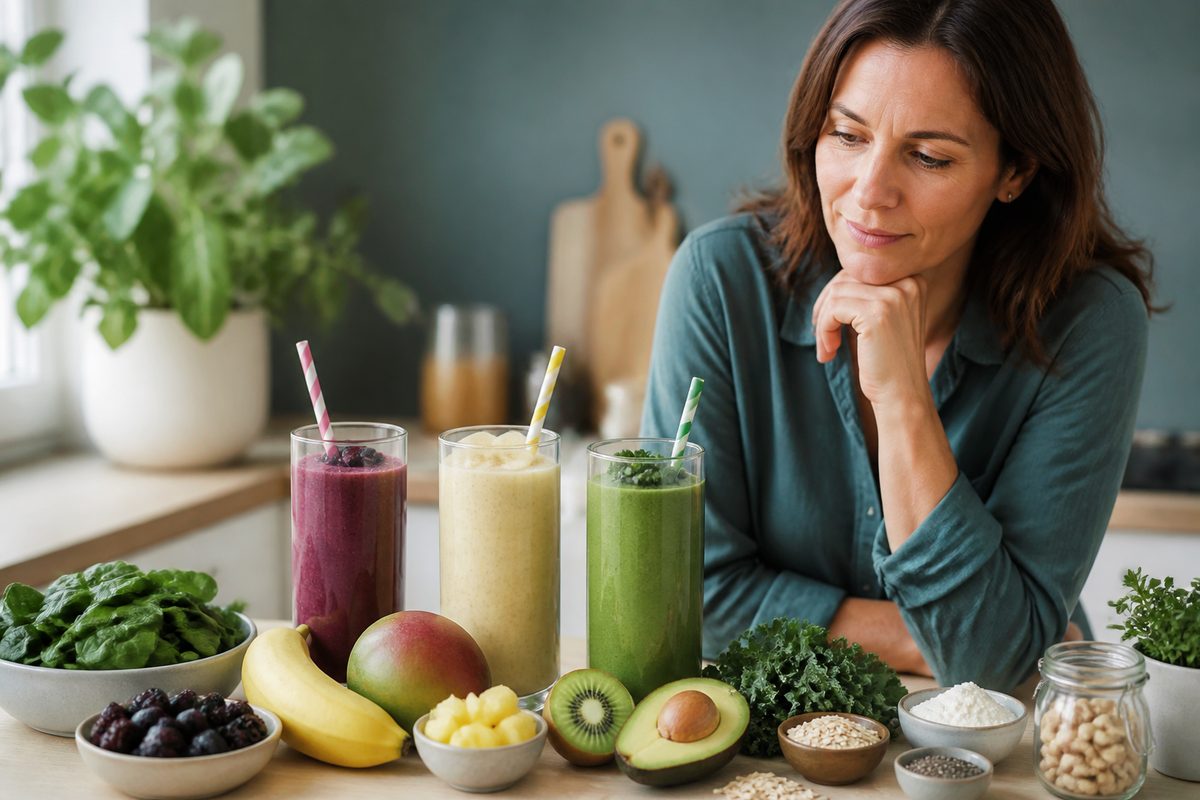
A smoothie packs 3–5 servings of fruit into one glass. The juicing/blending removes the slowing effect of intact fibre, so sugars hit the bloodstream rapidly and potassium loads arrive in one bolus. For CKD with hypertension or diabetes, this is the opposite of what you want.
Potassium league table per typical 250 ml smoothie
- Banana + mango: ~ 700 mg K.
- Green (spinach + banana): 800–1,000 mg K (plus oxalate).
- Berry + apple: ~ 200 mg K — renal-friendly.
- Pineapple + pear: ~ 180 mg K — renal-friendly.
A single high-K smoothie can match the entire allowance for CKD 4–5.
The oxalate concern in green smoothies
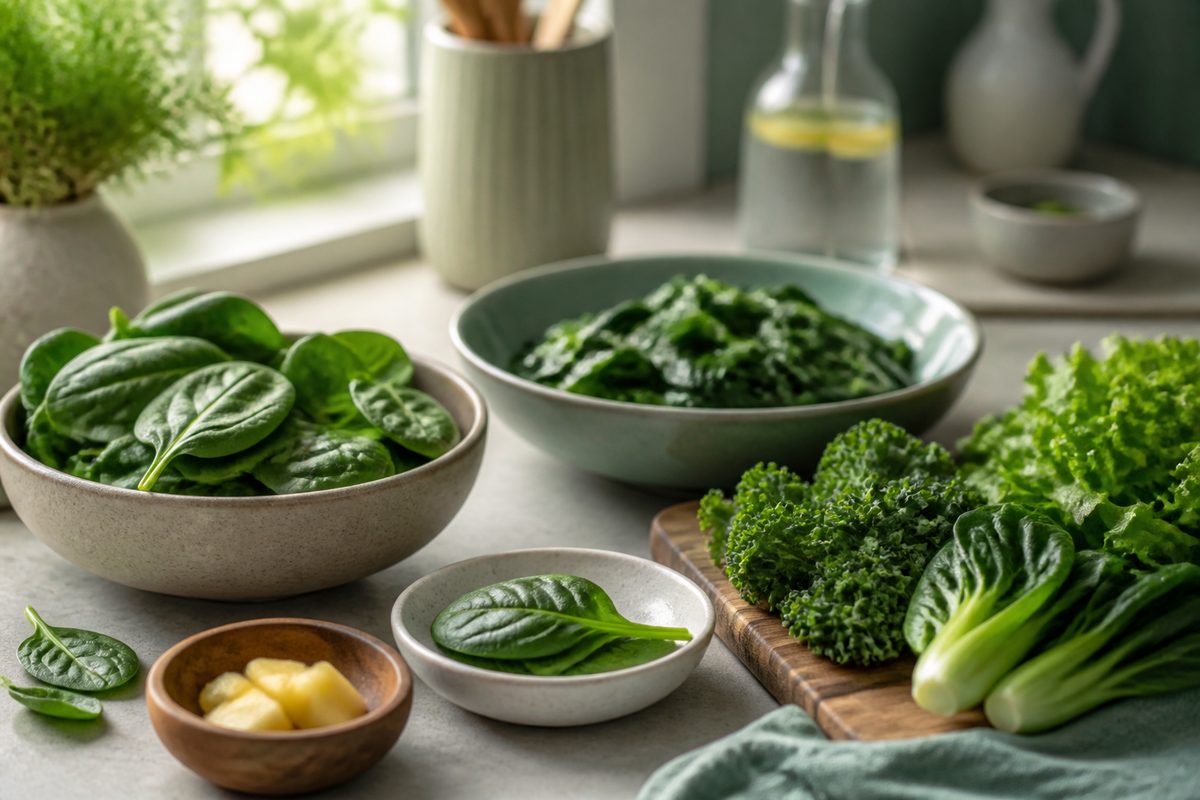
Raw spinach contains ~ 970 mg oxalate per 100 g. Daily green smoothies have been linked in case reports to oxalate crystal deposition and acute kidney injury, especially in adults with pre-existing CKD or low fluid intake. If you have a history of calcium-oxalate stones, avoid them entirely.
Renal-friendly smoothie template
Base liquid (200 ml): unsweetened almond milk (unfortified) or unsweetened rice milk. Fruit (150 g total): 80 g blueberries + 50 g strawberries + ½ small apple OR ½ pear. Extras (optional): 1 tbsp ground flaxseed (omega-3, fibre), a squeeze of lemon, ice. Serving: 200 ml glass, with breakfast — not as a meal replacement. Avoid: banana, mango, kiwi, melon, dried fruit, raw spinach/kale, avocado, protein powder.
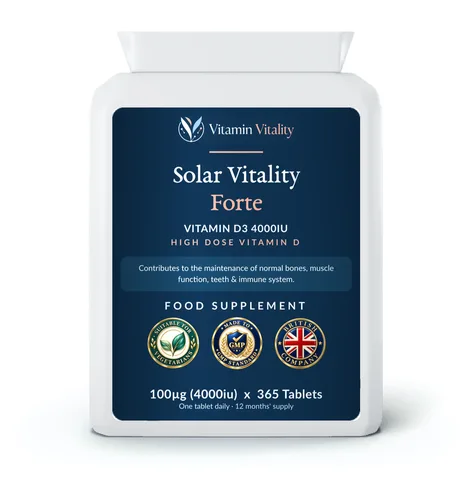
Food first. If you are choosing a daily multivitamin alongside a balanced diet, Kidney Vitality was developed by a UK Consultant Nephrologist using renal nutrition principles. See the formulation.