Kidney Diet 9 min read·Updated 22 July 2026 Clinician-reviewed

Are Protein Shakes Bad for Your Kidneys?

A UK Consultant Nephrologist on protein shakes in chronic kidney disease -- why the gym supplement aisle is a minefield for CKD patients, and what to use instead.

  • Clinically Reviewed
  • NHS & NICE Aligned
  • UK Evidence-Based
  • Last Reviewed 22 July 2026

Professor Mohammed Mahdi Althaf

Consultant Nephrologist & Acute Physician

View Credentials

Professor Mohammed Mahdi Althaf

MD, MSc, PgDip (Clin Ed), FRCP, FHEA, FASN

Consultant Nephrologist & Acute Physician · GMC 7216325

View profile →

Direct answer

Protein shakes are generally discouraged in CKD stage 3-5 because they concentrate protein, phosphate additives and potassium. On dialysis, they may be prescribed -- but only by your renal dietitian. Never self-supplement.

Key recommendation: High protein increases glomerular pressure and albuminuria.

Quick answer

✓ Best choices

  • Plant proteins: tofu, tempeh, beans, lentils, chickpeas
  • Eggs and oily fish
  • Lean chicken or turkey in measured portions

✓ Foods to limit

  • Processed meats with phosphate additives
  • Very large daily servings of red meat
  • Unsupervised high-protein shakes and powders

Key takeaway

Protein shakes are generally discouraged in CKD stage 3-5 because they concentrate protein, phosphate additives and potassium. On dialysis, they may be prescribed -- but only by your renal dietitian. Never self-supplement.

Who should be cautious

People on dialysis, post-transplant, pregnant or breastfeeding, or taking prescription medication — confirm with your renal team before changes.

Are Protein Shakes Bad for Your Kidneys?

Why protein shakes strain kidneys

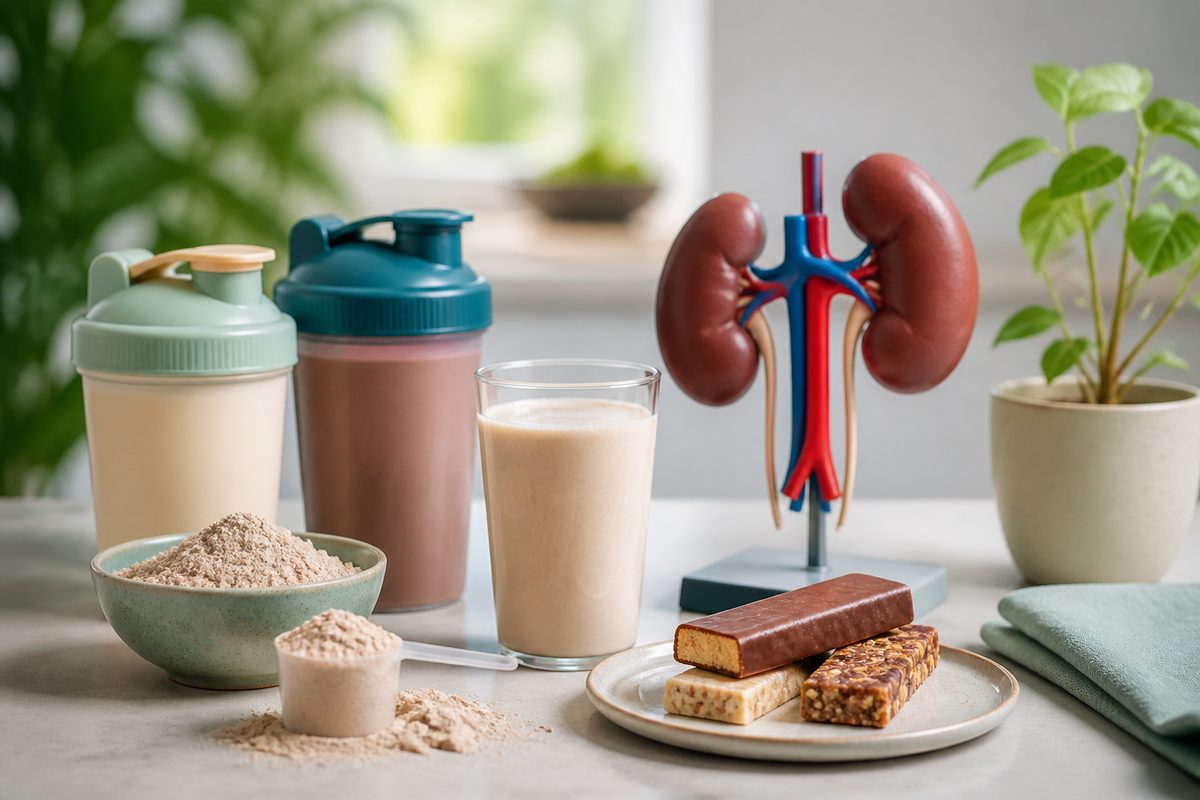
The kidney filters protein waste (urea, creatinine) and excess amino acids. When protein intake rises sharply -- as with a 30-50 g protein shake -- the kidneys must work harder. In healthy people this is temporary and harmless. In CKD, where nephrons are already lost, the extra load accelerates hyperfiltration injury in remaining glomeruli and worsens proteinuria. The Modification of Diet in Renal Disease (MDRD) and later trials showed that moderate protein restriction slows CKD progression.

Phosphate additives in protein powders

Read the ingredient list on any protein powder. Look for: phosphoric acid, sodium phosphate, potassium phosphate, calcium phosphate, magnesium phosphate, or E-numbers E338-E452. These are used as anti-caking agents, pH adjusters and emulsifiers. Unlike organic phosphate in milk or meat, additive phosphate is rapidly and completely absorbed. In stage 4-5 CKD, this can push serum phosphate above the KDIGO target of 1.78 mmol/L and increase cardiovascular calcification risk.

Kidney Vitality is a daily multivitamin developed using renal nutrition principles. It sits alongside food, not in place of it. See the formulation.


Protein needs by CKD stage

Stage 1-2: ~ 0.8 g/kg/day (standard adult intake). Stage 3-5 (non-dialysis): ~ 0.6-0.8 g/kg/day -- usually lower than standard, not higher. Haemodialysis: ~ 1.0-1.2 g/kg/day -- protein needs rise because dialysis removes amino acids. Peritoneal dialysis: ~ 1.2-1.3 g/kg/day -- higher losses into dialysate. Even on dialysis, whole-food protein (eggs, chicken, fish) is preferred over shakes because it delivers nutrients without the additive risk.

Practical CKD-friendly guidance

Stage 3-5 (no dialysis): avoid protein shakes entirely. Get protein from food in amounts set by your renal dietitian. On dialysis: ask your dietitian before using any shake. If one is needed, choose a renal-specific medical nutrition product (e.g. Nepro, Renapro) rather than a gym protein powder. Avoid: mass-gainer powders (very high protein + creatine), BCAAs, collagen peptides marketed for 'kidney health,' and any product with phosphate additives. Better approach: resistance exercise + adequate food protein + renal team review.

Are Eggs Bad for Your Kidneys?
Related reading: Are Eggs Bad for Your Kidneys?.

Key practical tips

Designed for quick scanning — what to order, what to avoid, sensible portions, common mistakes.

  • Use the palm of your hand as a protein portion guide
  • Distribute protein across the day, not all in one meal
  • Confirm your target with your renal dietitian — it changes by stage

Clinical guidance

TL;DR summary

Protein shakes are generally discouraged in CKD stage 3-5 because they concentrate protein, phosphate additives and potassium. On dialysis, they may be prescribed -- but only by your renal dietitian. Never self-supplement.

Key takeaways
  • High protein increases glomerular pressure and albuminuria.
  • Many shakes contain 100%-absorbed phosphate additives.
  • CKD stage 3-5 (non-dialysis): avoid protein powders.
  • Dialysis: may need extra protein -- but food first, shakes only if prescribed.
  • Always check labels for E338-E452 phosphate additives.
Kidney Diet & Nutrition Considerations

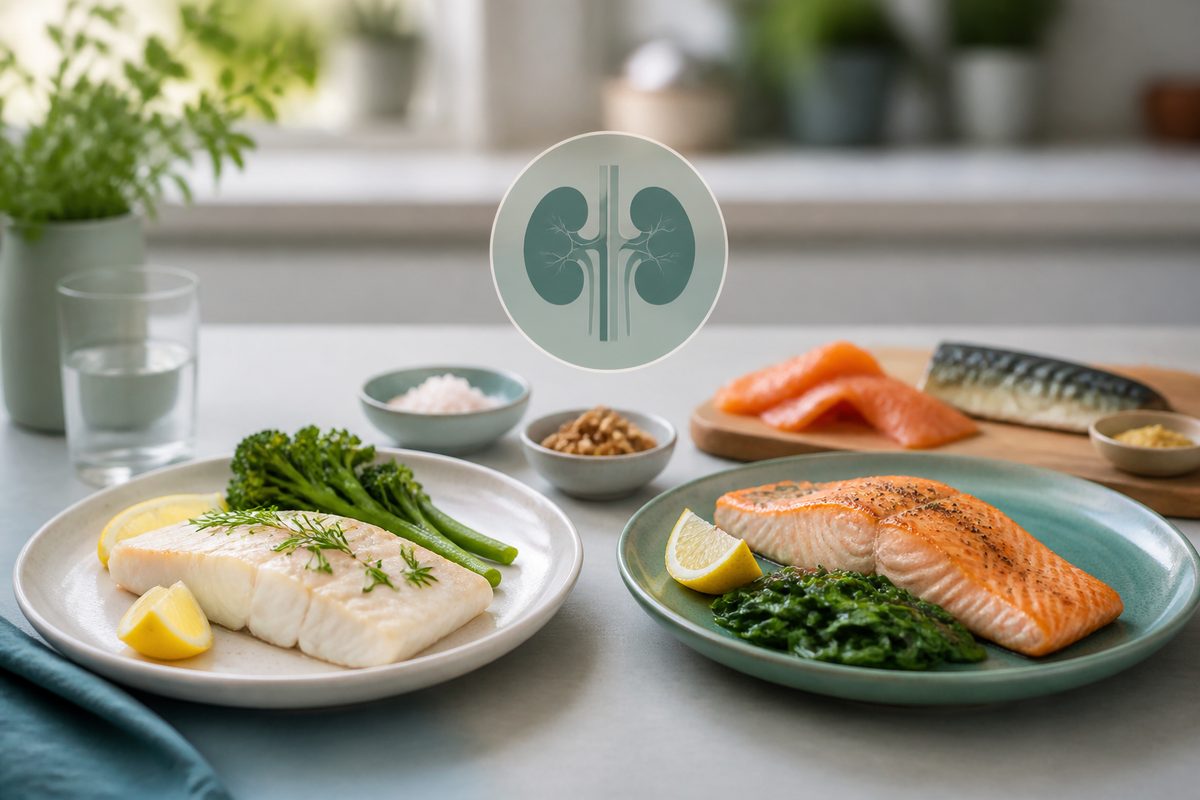
Protein needs in CKD are individual. Most adults with CKD stages 3–4 do well on 0.6–0.8 g/kg/day; people on dialysis usually need 1.0–1.2 g/kg/day. Quality matters: a Mediterranean-style mix of plant protein, fish, eggs and modest poultry generally outperforms a meat-heavy diet for kidney protection.

Foods to prioritise

  • Plant proteins: tofu, tempeh, beans, lentils, chickpeas
  • Eggs and oily fish
  • Lean chicken or turkey in measured portions

Foods to limit

  • Processed meats with phosphate additives
  • Very large daily servings of red meat
  • Unsupervised high-protein shakes and powders

Potassium, phosphate and protein needs vary between individuals — please confirm personal targets with your renal team or dietitian. Browse the Kidney Diet Hub for more guides in this cluster.

Frequently asked questions

Are protein shakes bad for kidneys?

High-protein shakes can accelerate CKD progression by increasing glomerular pressure and urine protein. In stage 3-5 CKD, most people should avoid protein powders unless prescribed by their renal team. In dialysis, protein needs rise and shakes may be used -- but only under dietitian guidance.

Is whey protein safe in CKD?

Whey protein is a high-quality protein but delivers a concentrated dose. In early CKD (stage 1-2), moderate amounts may be acceptable. In stage 3-5 without dialysis, whey protein is generally discouraged because it increases albuminuria and acid load. On dialysis, it may be used to meet higher protein targets.

Do protein shakes contain phosphate additives?

Yes -- many commercial protein powders and ready-to-drink shakes contain phosphoric acid, disodium phosphate or tricalcium phosphate as stabilisers and pH buffers. These inorganic phosphates are 100% absorbed and can raise serum phosphate dangerously in advanced CKD. Always check labels for E338, E339, E340, E341, E450, E451, E452.

Are plant-based protein shakes better for kidneys?

Plant protein has a lower acid load and phytate-bound phosphate is less absorbed -- but many plant protein shakes are still highly processed, high in potassium and may contain additive phosphate. There is no blanket 'plant = safe' rule for CKD.

Can I use protein shakes for muscle building in CKD?

Muscle-building goals must be balanced against kidney protection. In CKD stage 1-2, a small protein increase may be acceptable with nephrology review. In stage 3+, high protein for bodybuilding is generally contraindicated. Focus on resistance exercise and adequate (not excessive) protein from food.

How much protein should I eat with kidney disease?

Most adults with CKD stages 3–4 do well on around 0.6–0.8 g of protein per kilogram of body weight per day, while adults on dialysis usually need 1.0–1.2 g/kg/day. Your exact target should be set by your renal dietitian based on your stage, weight and bloods.

Nutritional challenges in kidney disease

Many people living with kidney disease have to limit foods because of potassium, phosphate, diabetes, dialysis, appetite changes or simply the time it takes to cook from scratch every day. That can make it harder to keep daily nutrition balanced — particularly for vitamins and minerals that food alone may not fully cover.

Kidney Vitality is a UK-formulated daily nutritional support product designed by Consultant Nephrologist Professor Mohammed Mahdi Althaf with renal nutrition in mind from the start. It keeps doses moderate, leaves out added potassium, phosphate and magnesium, and avoids megadose vitamin A — sitting alongside a kidney-friendly diet, not replacing it.

Why Kidney Vitality fits this need

Built around UK renal guidance

Aligned with NICE NG203, KDIGO 2024 protein guidance and BDA renal nutrition advice.

Designed by a UK Consultant Nephrologist

Formulated and reviewed by Professor Mohammed Mahdi Althaf (GMC 7216325).

Evidence-based by design

No added potassium or phosphate; sensible vitamin doses.

Designed by a UK Consultant Nephrologist

Ready to support your kidney health?

If you have been researching kidney health, supplements, CKD nutrition or kidney-friendly living, Kidney Vitality was developed specifically around those principles by Professor Mohammed Mahdi Althaf (GMC 7216325). Developed using renal nutrition principles.

  • Designed Using Renal Nutrition Principles
  • No Added Potassium
  • No Added Phosphorus
  • UK Manufactured
  • One capsule daily
  • UK GMP — BRCGS, NSF GMP, Halal

✓ Free UK tracked delivery  ·  ✓ Delivered every 30 days  ·  ✓ Pause or cancel anytime  ·  ✓ Never run out

ComparisonKidney VitalityTypical high-street multivitamin
Added potassiumNoneOften included
Added phosphateNoneOften included (E338–E452)
Vitamin A (retinol)No megadoseOften high-dose retinol
Kidney-focused formulationYesNo — general population
Consultant Nephrologist involvementYes (GMC 7216325)No
UK GMP manufacturedYes (BRCGS, NSF GMP)Varies

Food supplement. Not a medicine and not a treatment for kidney disease. Speak with your GP, pharmacist or renal team before starting any new supplement, especially in advanced CKD, on dialysis, post-transplant, pregnant or breastfeeding.

Clinical reviewer

Professor Mohammed Mahdi Althaf

Consultant Nephrologist

Acute Physician

GMC 7216325

View Full Biography

Professor Mohammed Mahdi Althaf is a UK Consultant Nephrologist and Acute Physician with a special interest in chronic kidney disease, AKI prevention and renal nutrition. He combines hospital practice with patient education and clinical guidance review.

View professional profile →
View Credentials
  • MD
  • MSc
  • PgDip (Clin Ed)
  • FRCP
  • FHEA
  • FASN

About this article

Written for UK patients and based on:

  • NICE guidance
  • NHS resources
  • British Dietetic Association guidance
  • Kidney Care UK resources
View methodology

Each article is researched against current UK clinical guidance (NICE NG203, NG118, NG136), NHS patient resources, KDIGO and KDOQI international guidelines, and the British Dietetic Association Renal Nutrition Group. Drafts are written by the Kidney Vitality editorial team and reviewed by a UK Consultant Nephrologist before publication. Content is reviewed on a rolling basis and updated when guidance changes.

Editorial standards

  • Clinically reviewed
  • NHS-aligned
  • NICE-aligned
  • Evidence-based
  • Reviewed before publication
View full editorial process

Every article is researched and written by the Kidney Vitality editorial team using current UK clinical guidance (NICE NG203, NG118, NG136), NHS patient resources, KDIGO/KDOQI international guidelines, and British Dietetic Association renal nutrition guidance. Drafts are reviewed for clinical accuracy by Professor Mohammed Mahdi Althaf, MD, MSc, PgDip (Clin Ed), FRCP, FHEA, FASN (Consultant Nephrologist & Acute Physician, GMC 7216325) before publication. Content is updated when UK guidance changes.

References (4)View Sources
  1. NICE NG203: Chronic kidney disease — assessment and management
  2. KDIGO 2024 Clinical Practice Guideline for the Evaluation and Management of CKD
  3. KDOQI Clinical Practice Guideline for Nutrition in CKD: 2020 Update
  4. British Dietetic Association — Renal Nutrition Group

Medical disclaimer

This content is educational only and does not replace personalised medical advice.

Read full disclaimer

This page is general information, not personal medical advice. If you have chronic kidney disease, are on dialysis, have had a kidney transplant, are pregnant or breastfeeding, or take prescription medication, please confirm any supplement with your GP, pharmacist or renal team before starting.