Why prunes are problematic in CKD
Prunes (dried plums) concentrate potassium dramatically. Their laxative effect comes from sorbitol and fibre, both useful — but you cannot separate that benefit from the potassium load. In CKD that means a 'natural remedy' can directly raise serum K, especially in stages 4–5 and on dialysis.
Constipation in CKD — the real solution
Constipation is common in CKD because:
- Phosphate binders (calcium acetate, sevelamer, lanthanum) slow gut transit.
- Fluid restriction reduces stool water.
- Reduced activity in older or unwell patients.
- Iron tablets for renal anaemia.
The right approach (per UK renal practice):
- Tell your renal team — they will usually prescribe macrogol (Movicol/Laxido) which is safe in CKD and pulls water into the bowel.
- Avoid stimulant laxatives long-term.
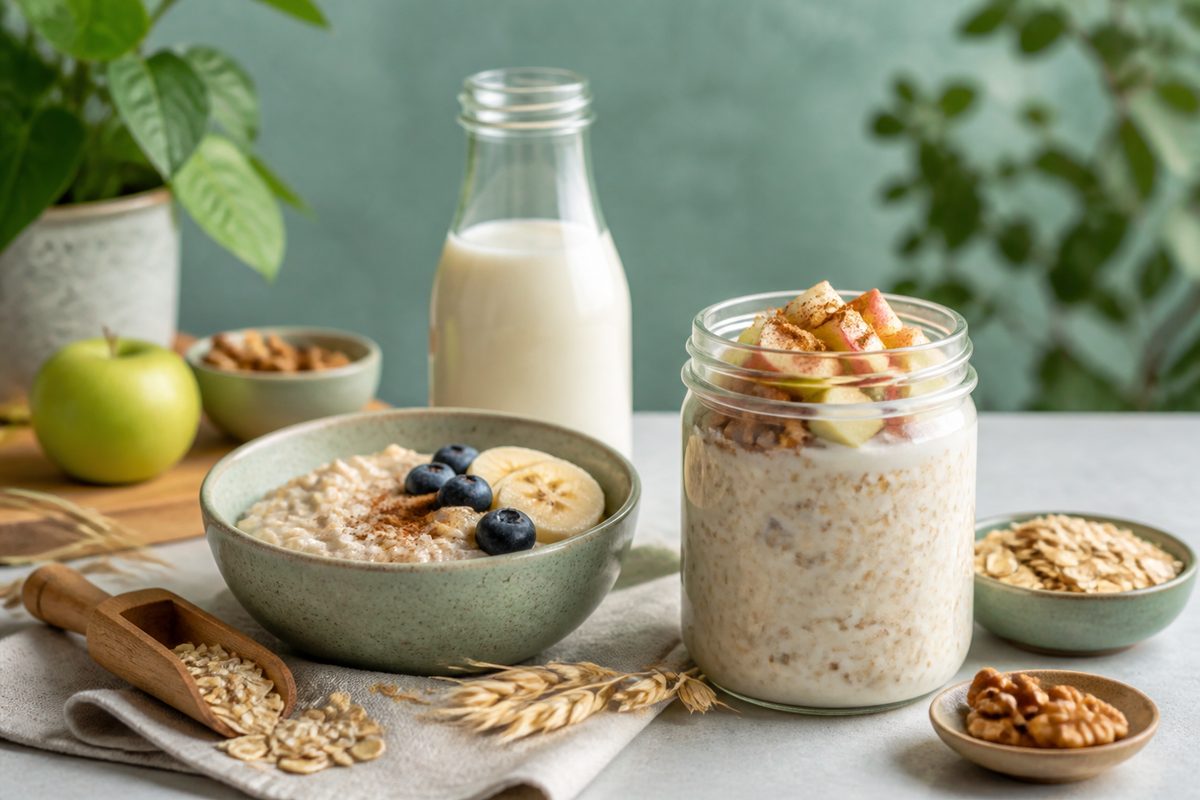
- Increase low-K fibre: oats, pears, apples, wholegrain (white bread is fine), small portions of seeds.
- Move daily where possible.
- Avoid 'natural' high-K remedies (prunes, prune juice, dates, dried apricots) without checking K.
If you still want prunes
- Stage 1–3a: 2–3 prunes per day acceptable.
- Stage 3b–4: 1 prune occasionally.
- Stage 5 / dialysis: avoid prune juice; whole prunes only if specifically agreed with your team.
- Always check pre-dialysis K before relying on prunes for constipation.
Lower-K constipation-friendly foods
- Pears (fresh or tinned)
- Oats (porridge, overnight oats)
- Apples with skin
- Linseed / ground flaxseed — 1 tablespoon stirred into yoghurt or porridge (mind phosphate in late CKD)
- Plenty of water within fluid allowance
- Daily walking
Food first. If you are choosing a daily multivitamin alongside a balanced diet, Kidney Vitality was developed by a UK Consultant Nephrologist using renal nutrition principles. See the formulation.