Why 'electrolyte' is not the same as 'kidney-friendly'
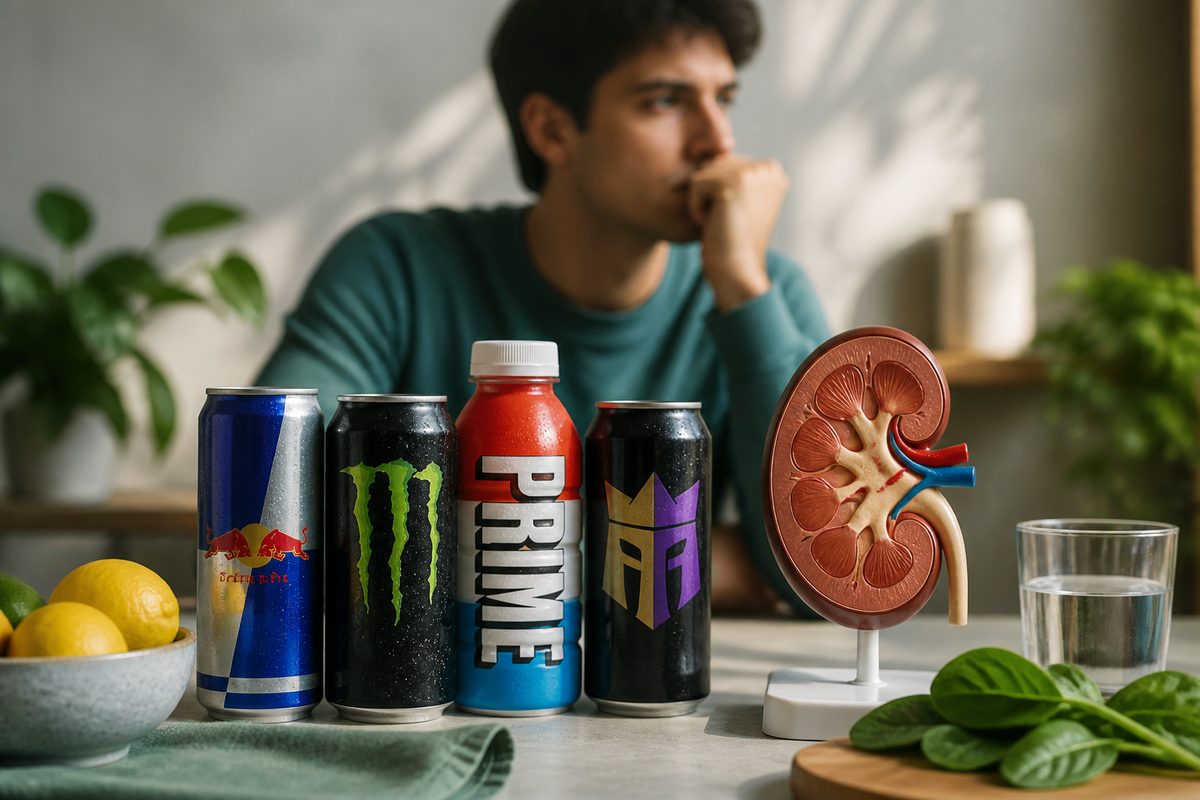
Electrolyte drinks are designed around what healthy people lose in heavy sweat — large volumes of water, sodium, some potassium, and energy in the form of sugar. Healthy kidneys excrete any excess effortlessly.
In CKD the picture changes. Excess sodium raises blood pressure and worsens fluid overload. Excess potassium can become genuinely dangerous, especially when combined with ACE inhibitors, ARBs, spironolactone or in advanced CKD. The sugar in sports drinks is unnecessary calories that drive weight, diabetes risk and cardiovascular risk.
For a healthy marathon runner, an electrolyte drink is a useful tool. For a CKD patient sitting at a desk, it is usually a mistake.
Sports drinks — Lucozade Sport, Powerade, Gatorade
Per 500 ml bottle (approximate):
- Lucozade Sport — 18 g sugar, 250 mg sodium, 80 mg potassium, 175 kcal
- Powerade — 19 g sugar, 200 mg sodium, 65 mg potassium, 165 kcal
- Gatorade — 15 g sugar, 230 mg sodium, 75 mg potassium, 150 kcal
- Lucozade Sport Lite (low-cal) — 4 g sugar, 250 mg sodium, 80 mg potassium
Verdict: occasional use during real exercise is fine for most CKD stages 1–3 patients. Daily use as a beverage is a poor choice — too much sugar, modest sodium load, no benefit over water for most people. CKD stage 4–5 patients should usually skip them.
'Vitamin water' and 'enhanced' waters
Most 'vitamin water' products (Glaceau Vitamin Water, vitamin-enhanced waters) contain 15–25 g sugar per bottle and small doses of B-vitamins and vitamin C — far less than a kidney-friendly multivitamin and with an unnecessary sugar load.
Some 'fitness' waters contain added BCAAs, taurine, caffeine or guarana. These are not problems for CKD per se but they add stimulants and protein loads that healthy water doesn't.
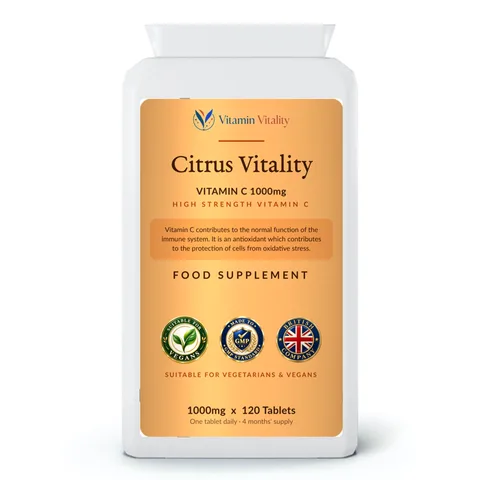
If you want vitamins, take a kidney-friendly supplement at controlled doses (e.g. Kidney Vitality) and drink plain water — don't combine the two functions in a sugary bottle.
Oral rehydration salts — Dioralyte, Electrolade, Hydralyte
Oral rehydration salts (ORS) are clinically useful for diarrhoea and vomiting. They contain glucose plus sodium chloride, sodium citrate and potassium chloride.
Per reconstituted Dioralyte sachet (200 ml made up):
- Sodium ~ 280 mg
- Potassium ~ 350 mg
- Glucose ~ 3.6 g
For most CKD patients with normal serum potassium and no ACE inhibitor/ARB, occasional use during a gastro illness is reasonable. People with:
- Advanced CKD (eGFR < 30)
- Known hyperkalaemia or recent K > 5.0
- Taking ACE inhibitors, ARBs or spironolactone
- Taking potassium supplements (e.g. Sando-K)
…should contact their GP or renal team before using ORS. Plain water plus small sips of dilute fruit squash is often safer. Severe dehydration in CKD usually warrants medical review anyway because of the risk of acute-on-chronic kidney injury.
Coconut water and 'natural' electrolytes
Coconut water has been heavily marketed as a 'natural' sports drink. A 500 ml carton contains:
- ~ 600 mg potassium
- ~ 50 mg sodium
- ~ 12 g natural sugars
That potassium dose is roughly equivalent to two bananas in one drink. For CKD patients on a potassium restriction, coconut water is one of the worst common drinks and there are several published case reports of life-threatening hyperkalaemia following coconut water in CKD and on ACEi/ARBs.
Treat coconut water as a fruit juice equivalent and limit accordingly.
High-sodium 'performance' electrolytes — LMNT, SiS Hydro
Newer products aimed at endurance athletes and the keto/carnivore crowd use much higher sodium doses:
- LMNT stick — ~ 1000 mg sodium, 200 mg potassium, 60 mg magnesium
- SiS Hydro tab — ~ 300 mg sodium, 75 mg potassium
- Nuun tab — ~ 360 mg sodium, 100 mg potassium
For a healthy ultramarathon runner sweating litres, this is rational. For a CKD patient with hypertension, this is a salt and potassium load they don't need. Avoid these products in CKD unless specifically advised by your renal team for a defined reason (e.g. salt-losing nephropathy).
Food first. If you are choosing a daily multivitamin alongside a balanced diet, Kidney Vitality was developed by a UK Consultant Nephrologist using renal nutrition principles. See the formulation.
What to drink instead
- Routine hydration: plain water, tap or filtered.
- Mild gastro illness in early CKD: small sips of water + a small amount of dilute squash; rest. If unwell > 24 h, contact GP.
- Genuine dehydration in CKD: contact your renal team — many medications (ACEi, ARBs, diuretics, SGLT2 inhibitors, metformin, NSAIDs) need to be paused under 'sick day rules'.
- During exercise < 60 min in mild CKD: plain water.
- During longer/hotter exercise: dilute Lucozade Sport Lite or a homemade pinch-of-salt + squash mix, not a high-sodium electrolyte tab.
- Vitamins/minerals: take a kidney-friendly daily supplement separately.