Kidney Health 9 min read·Updated 22 July 2026 Clinician-reviewed

Gout and Kidney Disease

A UK Consultant Nephrologist on the bidirectional link between gout and chronic kidney disease — why uric acid rises, how to treat gout safely when kidneys are fragile, and diet advice that protects both.

  • Clinically Reviewed
  • NHS & NICE Aligned
  • UK Evidence-Based
  • Last Reviewed 22 July 2026

Professor Mohammed Mahdi Althaf

Consultant Nephrologist & Acute Physician

View Credentials

Professor Mohammed Mahdi Althaf

MD, MSc, PgDip (Clin Ed), FRCP, FHEA, FASN

Consultant Nephrologist & Acute Physician · GMC 7216325

View profile →

Direct answer

Gout and CKD commonly coexist because damaged kidneys struggle to clear uric acid. Untreated gout can also damage kidneys through crystal deposition. Allopurinol is safe in CKD at low starting doses. NSAIDs should be avoided. Alcohol, beer, and sugary drinks are the biggest dietary triggers — not moderate protein.

Key recommendation: Gout is 3–4× more common in people with CKD.

Quick answer

✓ Best choices

  • Vegetables, lower-potassium fruit and whole grains
  • Sensible portions of fish, eggs, chicken or tofu
  • Olive oil and unsalted nuts in small amounts

✓ Foods to limit

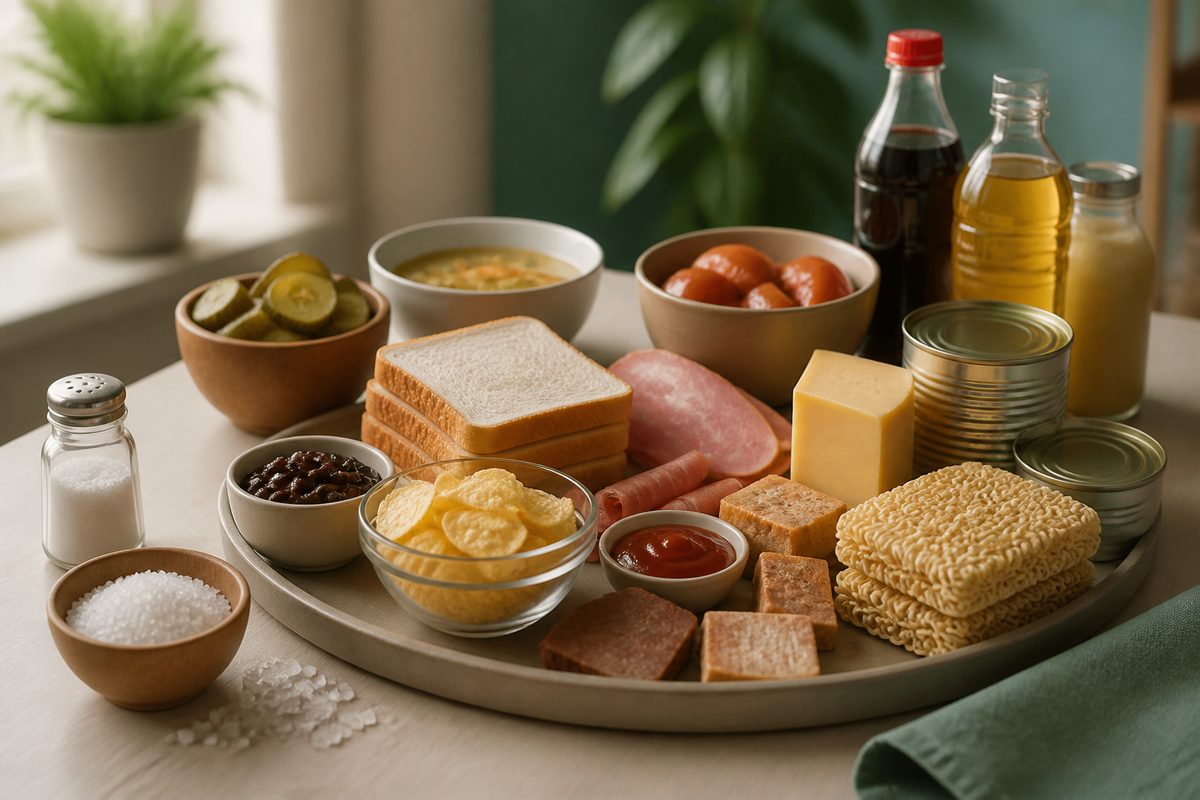
  • Added salt and ultra-processed foods
  • Phosphate additives in processed meats and ready meals
  • Sugary and energy drinks

Key takeaway

Gout and CKD commonly coexist because damaged kidneys struggle to clear uric acid. Untreated gout can also damage kidneys through crystal deposition. Allopurinol is safe in CKD at low starting doses. NSAIDs should be avoided. Alcohol, beer, and sugary drinks are the biggest dietary triggers — not moderate protein.

Who should be cautious

People on dialysis, post-transplant, pregnant or breastfeeding, or taking prescription medication — confirm with your renal team before changes.

Gout and Kidney Disease

The kidney–uric acid–gout triangle

Uric acid is a waste product from breaking down purines. Healthy kidneys filter about 500–600 mg of uric acid per day. As nephrons are lost, uric acid accumulates in the blood. When levels exceed the saturation point (about 380 µmol/L or 6.4 mg/dL), monosodium urate crystals form in joints and soft tissues, causing the intense inflammation of gout. Over time, crystal deposits (tophi) can damage joints and also deposit in kidney tissue.

Safe gout treatment in CKD

Allopurinol is the cornerstone. It reduces uric acid production and is safe even in advanced CKD if started at 50–100 mg daily and increased slowly under blood test monitoring. Target serum uric acid is under 360 µmol/L (6 mg/dL), or under 300 µmol/L (5 mg/dL) if tophi are present. Febuxostat is an alternative but carries a cardiovascular mortality warning in some trials and requires specialist oversight. For acute attacks, avoid NSAIDs. Low-dose colchicine or a short course of corticosteroids are preferred in CKD.

Kidney Vitality is a daily multivitamin developed by a UK Consultant Nephrologist using renal nutrition principles. It contains no added potassium, magnesium, phosphorus or iron, and no herbal blends. See the formulation.


Diet: what to limit and what to keep

Limit: organ meats (liver, kidney, sweetbreads), game meats, anchovies, sardines, mussels, scallops, red meat more than twice weekly, beer and spirits, sugary drinks and fruit juice, high-fructose corn syrup.

Keep in moderation: lean poultry, eggs, tofu, beans and lentils (plant purines are less harmful), dairy (low-fat dairy may even lower uric acid), vegetables, whole grains.

Emphasise: cherries (small fresh portions), coffee, water, and vitamin C from food sources.

Medicines that raise uric acid

Diuretics are the main culprits. Thiazides (bendroflumethiazide) and loop diuretics (furosemide) both raise uric acid by reducing its excretion. Low-dose aspirin also raises uric acid but is usually continued for cardiovascular protection on nephrology advice. Niacin (vitamin B3) and some immunosuppressants (cyclosporine, tacrolimus) can also raise uric acid. If you develop gout, your clinician may adjust these rather than stop essential medicines.

When to see your GP or rheumatology

If you have a first-ever hot, swollen joint, you should be seen urgently to rule out infection (septic arthritis), which can look identical to gout. If you have recurrent gout and CKD, ask for a referral to rheumatology or nephrology for allopurinol optimisation. Do not start or stop allopurinol during an acute attack without medical advice — if you are already on it, continue; if newly prescribed, it may be delayed until the attack settles.

Kidney Stones Diet — What to Eat & Avoid
Related reading: Kidney Stones Diet — What to Eat & Avoid.

Key practical tips

Designed for quick scanning — what to order, what to avoid, sensible portions, common mistakes.

  • Cook from scratch when you can
  • Read sodium labels (≤ 0.3 g per 100 g is low)
  • Take any concerns to your GP or renal team early

Clinical guidance

TL;DR summary

Gout and CKD commonly coexist because damaged kidneys struggle to clear uric acid. Untreated gout can also damage kidneys through crystal deposition. Allopurinol is safe in CKD at low starting doses. NSAIDs should be avoided. Alcohol, beer, and sugary drinks are the biggest dietary triggers — not moderate protein.

Key takeaways
  • Gout is 3–4× more common in people with CKD.
  • Diuretics and reduced kidney function both raise uric acid.
  • Allopurinol is first-line and safe in CKD at reduced doses.
  • NSAIDs (ibuprofen, naproxen) should be avoided in CKD.
  • Alcohol and sugary drinks raise uric acid more than lean protein.
Kidney Diet & Nutrition Considerations

Diet is one of the most powerful tools you have to look after your kidneys. UK renal guidance points to a Mediterranean-style, reduced-salt pattern: plenty of vegetables, lower-potassium fruit, whole grains, sensible protein, beans and pulses in moderation, oily fish and olive oil. Personal targets — for potassium, phosphate, protein and fluid — should be set by your renal team based on your bloods.

Foods to prioritise

  • Vegetables, lower-potassium fruit and whole grains
  • Sensible portions of fish, eggs, chicken or tofu
  • Olive oil and unsalted nuts in small amounts

Foods to limit

  • Added salt and ultra-processed foods
  • Phosphate additives in processed meats and ready meals
  • Sugary and energy drinks

Potassium, phosphate and protein needs vary between individuals — please confirm personal targets with your renal team or dietitian. Browse the Kidney Diet Hub for more guides in this cluster.

Frequently asked questions

Why is gout common in kidney disease?

Gout is caused by high uric acid in the blood, which forms sharp crystals in joints. The kidneys excrete about two-thirds of uric acid. As CKD progresses, uric acid clearance falls and blood levels rise. In addition, diuretics (especially thiazides and loop diuretics) used for blood pressure and fluid control can raise uric acid further. The result is that gout is 3–4 times more common in people with CKD than in the general population.

Can gout damage the kidneys?

Yes. Very high uric acid can cause uric acid crystals to deposit in the kidney tubules, leading to uric acid nephropathy — a form of acute kidney injury. Chronic high uric acid also contributes to kidney scarring and may speed CKD progression. Treating gout properly protects both your joints and your remaining kidney function.

Which gout medicines are safe in CKD?

Allopurinol is the first-line preventive treatment and is safe in CKD at reduced doses — it is started low (50–100 mg) and titrated carefully. Febuxostat is an alternative but carries a cardiovascular warning and is usually reserved for those who cannot tolerate allopurinol. Colchicine is used for acute gout attacks but needs dose reduction in CKD and can interact with other medicines. NSAIDs such as ibuprofen and naproxen should be avoided in CKD because they worsen kidney function. For acute attacks, steroids or low-dose colchicine are preferred.

Should I avoid protein to prevent gout?

No — you do not need a very low-protein diet. The main dietary culprits for uric acid are purines, found in high amounts in organ meats (liver, kidney), red meat, shellfish, and oily fish. Lean poultry, eggs, and plant proteins are safer choices. More importantly, reducing alcohol (especially beer and spirits), sugary drinks, and fructose has a bigger impact on uric acid than moderate protein intake.

Is cherry juice good for gout?

Some studies suggest tart cherries or cherry extract may modestly reduce gout flare frequency, but the evidence is not strong enough to replace standard treatment. Cherry juice is also high in sugar and potassium — in CKD, these can be problematic. If you enjoy cherries, a small portion of fresh or frozen tart cherries is safer than juice.

What drinks should I avoid with gout and CKD?

Avoid beer and spirits — alcohol raises uric acid production and reduces its excretion. Avoid sugary soft drinks and fruit juices high in fructose, which increase uric acid. Some studies link fructose-sweetened drinks directly to gout risk. Coffee is generally neutral or slightly protective. Water is the best choice — aim for pale yellow urine.

What foods are good for kidney health?

A Mediterranean-style, mostly plant-based, reduced-salt diet is the most consistent evidence-based pattern for kidney health. Build meals around vegetables, lower-potassium fruit, whole grains, fish, eggs or tofu, beans and pulses in moderation, and olive oil.

Nutritional challenges in kidney disease

Many people living with kidney disease have to limit foods because of potassium, phosphate, diabetes, dialysis, appetite changes or simply the time it takes to cook from scratch every day. That can make it harder to keep daily nutrition balanced — particularly for vitamins and minerals that food alone may not fully cover.

Kidney Vitality is a UK-formulated daily nutritional support product designed by Consultant Nephrologist Professor Mohammed Mahdi Althaf with renal nutrition in mind from the start. It keeps doses moderate, leaves out added potassium, phosphate and magnesium, and avoids megadose vitamin A — sitting alongside a kidney-friendly diet, not replacing it.

Why Kidney Vitality fits this need

Built around UK renal guidance

Aligned with NICE NG203, BSR/BHPR gout management guidelines, and KDIGO 2024.

Designed by a UK Consultant Nephrologist

Formulated and reviewed by Professor Mohammed Mahdi Althaf (GMC 7216325).

Evidence-based by design

Treatment guidance avoids NSAIDs, includes CKD-safe allopurinol dosing, and links diet advice to renal nutrition principles.

Designed by a UK Consultant Nephrologist

Ready to support your kidney health?

If you have been researching kidney health, supplements, CKD nutrition or kidney-friendly living, Kidney Vitality was developed specifically around those principles by Professor Mohammed Mahdi Althaf (GMC 7216325). Nephrologist Developed Daily Multivitamin.

  • No Added Potassium
  • No Added Magnesium
  • No Added Phosphorus
  • No Added Iron
  • One capsule daily
  • UK GMP — BRCGS, NSF GMP, Halal

✓ Free UK tracked delivery  ·  ✓ Delivered every 30 days  ·  ✓ Pause or cancel anytime  ·  ✓ Never run out

ComparisonKidney VitalityTypical high-street multivitamin
Added potassiumNoneOften included
Added phosphateNoneOften included (E338–E452)
Vitamin A (retinol)No megadoseOften high-dose retinol
Kidney-focused formulationYesNo — general population
Consultant Nephrologist involvementYes (GMC 7216325)No
UK GMP manufacturedYes (BRCGS, NSF GMP)Varies

Food supplement. Not a medicine and not a treatment for kidney disease. Speak with your GP, pharmacist or renal team before starting any new supplement, especially in advanced CKD, on dialysis, post-transplant, pregnant or breastfeeding.

Clinical reviewer

Professor Mohammed Mahdi Althaf

Consultant Nephrologist

Acute Physician

GMC 7216325

View Full Biography

Professor Mohammed Mahdi Althaf is a UK Consultant Nephrologist and Acute Physician with a special interest in chronic kidney disease, AKI prevention and renal nutrition. He combines hospital practice with patient education and clinical guidance review.

View professional profile →
View Credentials
  • MD
  • MSc
  • PgDip (Clin Ed)
  • FRCP
  • FHEA
  • FASN

About this article

Written for UK patients and based on:

  • NICE guidance
  • NHS resources
  • British Dietetic Association guidance
  • Kidney Care UK resources
View methodology

Each article is researched against current UK clinical guidance (NICE NG203, NG118, NG136), NHS patient resources, KDIGO and KDOQI international guidelines, and the British Dietetic Association Renal Nutrition Group. Drafts are written by the Kidney Vitality editorial team and reviewed by a UK Consultant Nephrologist before publication. Content is reviewed on a rolling basis and updated when guidance changes.

Editorial standards

  • Clinically reviewed
  • NHS-aligned
  • NICE-aligned
  • Evidence-based
  • Reviewed before publication
View full editorial process

Every article is researched and written by the Kidney Vitality editorial team using current UK clinical guidance (NICE NG203, NG118, NG136), NHS patient resources, KDIGO/KDOQI international guidelines, and British Dietetic Association renal nutrition guidance. Drafts are reviewed for clinical accuracy by Professor Mohammed Mahdi Althaf, MD, MSc, PgDip (Clin Ed), FRCP, FHEA, FASN (Consultant Nephrologist & Acute Physician, GMC 7216325) before publication. Content is updated when UK guidance changes.

References (4)View Sources
  1. NICE NG203: Chronic kidney disease — assessment and management
  2. KDIGO 2024 Clinical Practice Guideline for the Evaluation and Management of CKD
  3. KDOQI Clinical Practice Guideline for Nutrition in CKD: 2020 Update
  4. British Dietetic Association — Renal Nutrition Group

Medical disclaimer

This content is educational only and does not replace personalised medical advice.

Read full disclaimer

This page is general information, not personal medical advice. If you have chronic kidney disease, are on dialysis, have had a kidney transplant, are pregnant or breastfeeding, or take prescription medication, please confirm any supplement with your GP, pharmacist or renal team before starting.