Clinician Guides 7 min read·Updated 4 October 2026 Clinician-reviewed
Magnesium and Kidney Disease
A UK Consultant Nephrologist on magnesium in chronic kidney disease — why levels rise as eGFR falls, which everyday products contain hidden magnesium, and how to stay safe.
Magnesium is filtered by the kidneys, so it accumulates in CKD. Most people with CKD should AVOID oral magnesium supplements, magnesium-containing laxatives (Milk of Magnesia), magnesium antacids and Epsom salts. Dietary magnesium from normal food portions is usually fine. Hypermagnesaemia can cause muscle weakness, low blood pressure and dangerous heart rhythms.
Kidney Vitality is a daily multivitamin developed by a UK Consultant Nephrologist — no added potassium, phosphorus or magnesium. From £31.44.Buy noworsee pricing
Quick answer
✓ Best choices
Vegetables and lower-potassium fruit at every meal
Lean protein in modest portions: fish, chicken, eggs, tofu
Extra virgin olive oil, herbs and spices for flavour
✓ Foods to limit
Added salt and salty sauces
Processed meats and foods with phosphate additives (E338–E452)
Very large portions of bananas, oranges, potatoes if potassium is rising
Key takeaway
Magnesium is filtered by the kidneys, so it accumulates in CKD. Most people with CKD should AVOID oral magnesium supplements, magnesium-containing laxatives (Milk of Magnesia), magnesium antacids and Epsom salts. Dietary magnesium from normal food portions is usually fine. Hypermagnesaemia can cause muscle weakness, low blood pressure and dangerous heart rhythms.
Who should be cautious
People on dialysis, post-transplant, pregnant or breastfeeding, or taking prescription medication — confirm with your renal team before changes.
How the kidneys handle magnesium
Magnesium is the fourth most abundant mineral in the body and is essential for muscle function, nerve conduction, blood pressure regulation and bone strength. Around 95% of filtered magnesium is reabsorbed in the renal tubules; the kidneys then excrete the surplus in urine. As CKD progresses and eGFR falls below 30 ml/min/1.73 m², magnesium excretion slows and serum levels rise. By CKD stage 5 and on dialysis, mild hypermagnesaemia is the rule rather than the exception.
Hidden magnesium in everyday products
The most common cause of dangerous hypermagnesaemia in CKD is NOT diet — it is over-the-counter products patients (and sometimes clinicians) forget contain magnesium:
LAXATIVES — Milk of Magnesia (magnesium hydroxide), magnesium citrate sachets, Epsom salts (magnesium sulphate) taken orally
Because early symptoms are non-specific, blood monitoring is the only reliable way to detect rising magnesium in CKD. Severe hypermagnesaemia is treated with IV calcium gluconate and, in advanced CKD, dialysis.
Kidney Vitality is a daily multivitamin developed by a UK Consultant Nephrologist using renal nutrition principles. It contains no added potassium, magnesium, phosphorus or iron, and no herbal blends. See the formulation.
Safe laxative and antacid choices in CKD
For constipation in CKD, safer first-line options include:
Lactulose — not absorbed, no electrolyte load
Macrogol/polyethylene glycol (Movicol, Laxido) — renal-safe and well tolerated
Senna — short courses are fine
Bisacodyl (Dulcolax) — short courses
For reflux or indigestion, safer antacid choices include:
Calcium-based antacids in moderation (but watch calcium load in advanced CKD)
Alginate-based products (Gaviscon Original) — check labels for magnesium
Proton pump inhibitors (omeprazole, lansoprazole) prescribed by your GP — short courses preferred as long-term PPI use has been linked to kidney injury
Always check labels and ask your pharmacist to confirm a product is magnesium-free.
Magnesium in food
Magnesium-rich foods include wholegrains, nuts, seeds, dark leafy greens, beans and dark chocolate. Many of these are already limited in CKD for other reasons — nuts and seeds for potassium and phosphate, wholegrains for phosphate. Normal portions of food are not the problem; concentrated supplements and laxatives are. See our companion article on magnesium-rich foods for portion-by-portion guidance.
When to seek urgent help
If you accidentally take a large dose of a magnesium product (e.g. a full bottle of Milk of Magnesia) and have CKD, contact NHS 111 or your renal team straight away. Symptoms of severe hypermagnesaemia — profound weakness, slow or irregular pulse, difficulty breathing — are a 999 emergency.
Related reading: Potassium and Kidney Disease.
Key practical tips
Designed for quick scanning — what to order, what to avoid, sensible portions, common mistakes.
Read labels: sodium ≤ 0.3 g per 100 g (low) is the target
Cook from scratch when you can — it controls the hidden salt and phosphate
Personalise potassium and phosphate targets with your renal dietitian
Clinical guidance
TL;DR summary
Magnesium is filtered by the kidneys, so it accumulates in CKD. Most people with CKD should AVOID oral magnesium supplements, magnesium-containing laxatives (Milk of Magnesia), magnesium antacids and Epsom salts. Dietary magnesium from normal food portions is usually fine. Hypermagnesaemia can cause muscle weakness, low blood pressure and dangerous heart rhythms.
Key takeaways
Normal serum magnesium: 0.7–1.0 mmol/L; > 1.5 mmol/L causes symptoms.
Avoid Milk of Magnesia, magnesium citrate laxatives and Epsom salts in CKD.
Dietary magnesium from normal portions is rarely the problem.
Kidney Vitality contains NO added magnesium.
Kidney Diet & Nutrition Considerations
On a kidney-friendly diet, single foods matter less than the overall pattern. Build meals around vegetables, lower-potassium fruit, whole grains, sensible protein and olive oil, and watch the three usual suspects — salt, phosphate additives and oversized portions of very high-potassium foods. Targets are individual and should be confirmed with your renal team.
Foods to prioritise
Vegetables and lower-potassium fruit at every meal
Lean protein in modest portions: fish, chicken, eggs, tofu
Extra virgin olive oil, herbs and spices for flavour
Foods to limit
Added salt and salty sauces
Processed meats and foods with phosphate additives (E338–E452)
Very large portions of bananas, oranges, potatoes if potassium is rising
Potassium, phosphate and protein needs vary between individuals — please confirm personal targets with your renal team or dietitian. Browse the Kidney Diet Hub for more guides in this cluster.
Frequently asked questions
Should I take a magnesium supplement if I have kidney disease?
Usually no. Healthy kidneys excrete excess magnesium in urine. As CKD progresses, magnesium can build up in the blood (hypermagnesaemia) and cause muscle weakness, low blood pressure and dangerous heart rhythm changes. Most adults with CKD do not need an oral magnesium supplement, and over-the-counter magnesium products are best avoided unless your renal team has checked your blood level and recommended one.
What is a safe blood magnesium level in CKD?
Normal serum magnesium is 0.7–1.0 mmol/L (1.7–2.4 mg/dL). In CKD stage 4–5 and on dialysis, levels above 1.1 mmol/L are common and levels above 1.5 mmol/L can cause symptoms. Your renal team monitors magnesium alongside potassium, phosphate and calcium.
Which over-the-counter products contain hidden magnesium?
Many — and this is the single biggest source of magnesium overload in CKD. Watch for: magnesium hydroxide laxatives (Milk of Magnesia, Phillips'), magnesium citrate sachets, Epsom salt (magnesium sulphate) baths and oral doses, magnesium-containing antacids (Maalox, Mylanta, Rennie Spearmint), magnesium oxide or glycinate supplements, and 'sleep' or 'calm' supplements that combine magnesium with melatonin or L-theanine.
What are the symptoms of high magnesium?
Early hypermagnesaemia is usually silent. As levels rise above 1.5 mmol/L people may feel flushed, nauseated, weak, drowsy, or notice low blood pressure. Above 2.0 mmol/L, deep tendon reflexes are lost, breathing slows, and heart block can develop. Severe hypermagnesaemia is a medical emergency treated with IV calcium and, in advanced CKD, dialysis.
Can I still eat magnesium-rich foods?
Yes — dietary magnesium from food is rarely the problem because intake is spread across the day and many magnesium-rich foods are limited in CKD for other reasons (potassium in nuts and seeds, phosphate in wholegrains). The main risk is concentrated supplements and laxatives, not normal portions of food. See our companion guide on magnesium-rich foods for portion guidance.
Is Kidney Vitality safe — does it contain magnesium?
Kidney Vitality contains NO added magnesium. It was formulated by a UK Consultant Nephrologist precisely to avoid the minerals that accumulate in CKD — magnesium, potassium and phosphate — while still topping up the water-soluble vitamins commonly low in renal patients.
What foods are best for kidney health?
A kidney-friendly diet centres on vegetables, lower-potassium fruit (apples, pears, berries), whole grains (oats, basmati rice, pasta), sensible portions of fish, eggs or lean meat, beans and lentils in modest portions, and olive oil as the main cooking fat — broadly a Mediterranean pattern with reduced salt.
Nutritional challenges in kidney disease
Many people living with kidney disease have to limit foods because of potassium, phosphate, diabetes, dialysis, appetite changes or simply the time it takes to cook from scratch every day. That can make it harder to keep daily nutrition balanced — particularly for vitamins and minerals that food alone may not fully cover.
Kidney Vitality is a UK-formulated daily nutritional support product designed by Consultant Nephrologist Professor Mohammed Mahdi Althaf with renal nutrition in mind from the start. It keeps doses moderate, leaves out added potassium, phosphate and magnesium, and avoids megadose vitamin A — sitting alongside a kidney-friendly diet, not replacing it.
Why Kidney Vitality fits this need
Built around UK renal guidance
Aligned with NICE NG203, KDIGO 2024 and BNF magnesium-product cautions in CKD.
Designed by a UK Consultant Nephrologist
Formulated and reviewed by Professor Mohammed Mahdi Althaf (GMC 7216325).
Evidence-based by design
No added magnesium, potassium or phosphate; sensible vitamin doses for CKD.
Designed by a UK Consultant Nephrologist
Ready to support your kidney health?
If you have been researching kidney health, supplements, CKD nutrition or kidney-friendly living, Kidney Vitality was developed specifically around those principles by Professor Mohammed Mahdi Althaf (GMC 7216325). Nephrologist Developed Daily Multivitamin.
✓ Free UK tracked delivery · ✓ Delivered every 30 days · ✓ Pause or cancel anytime · ✓ Never run out
Comparison
Kidney Vitality
Typical high-street multivitamin
Added potassium
None
Often included
Added phosphate
None
Often included (E338–E452)
Vitamin A (retinol)
No megadose
Often high-dose retinol
Kidney-focused formulation
Yes
No — general population
Consultant Nephrologist involvement
Yes (GMC 7216325)
No
UK GMP manufactured
Yes (BRCGS, NSF GMP)
Varies
Food supplement. Not a medicine and not a treatment for kidney disease. Speak with your GP, pharmacist or renal team before starting any new supplement, especially in advanced CKD, on dialysis, post-transplant, pregnant or breastfeeding.
Professor Mohammed Mahdi Althaf is a UK Consultant Nephrologist and Acute Physician with a special interest in chronic kidney disease, AKI prevention and renal nutrition. He combines hospital practice with patient education and clinical guidance review.
Each article is researched against current UK clinical guidance (NICE NG203, NG118, NG136), NHS patient resources, KDIGO and KDOQI international guidelines, and the British Dietetic Association Renal Nutrition Group. Drafts are written by the Kidney Vitality editorial team and reviewed by a UK Consultant Nephrologist before publication. Content is reviewed on a rolling basis and updated when guidance changes.
Editorial standards
Clinically reviewed
NHS-aligned
NICE-aligned
Evidence-based
Reviewed before publication
View full editorial processHide editorial process
Every article is researched and written by the Kidney Vitality editorial team using current UK clinical guidance (NICE NG203, NG118, NG136), NHS patient resources, KDIGO/KDOQI international guidelines, and British Dietetic Association renal nutrition guidance. Drafts are reviewed for clinical accuracy by Professor Mohammed Mahdi Althaf, MD, MSc, PgDip (Clin Ed), FRCP, FHEA, FASN (Consultant Nephrologist & Acute Physician, GMC 7216325) before publication. Content is updated when UK guidance changes.
This content is educational only and does not replace personalised medical advice.
Read full disclaimerHide full disclaimer
This page is general information, not personal medical advice. If you have chronic kidney disease, are on dialysis, have had a kidney transplant, are pregnant or breastfeeding, or take prescription medication, please confirm any supplement with your GP, pharmacist or renal team before starting.
From the makers of Kidney Vitality
Explore our other products
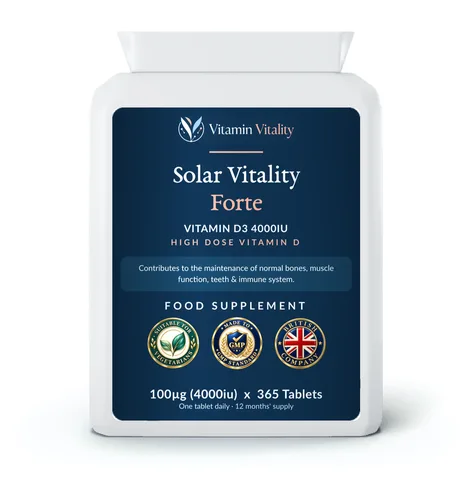
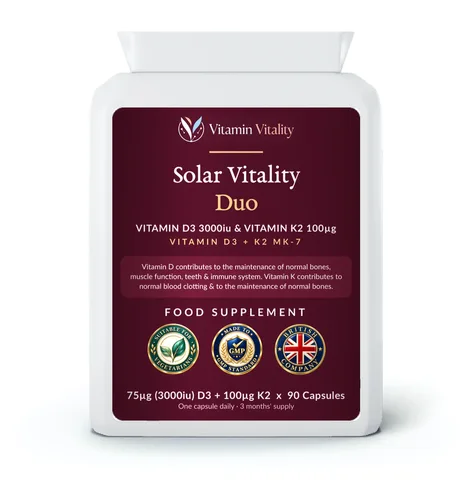
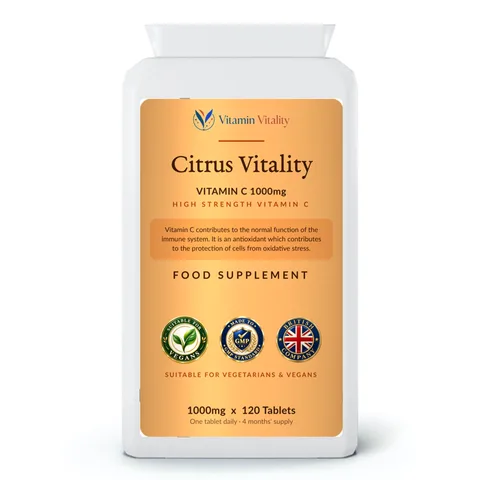
Discover the full Vitamin Vitality range — clinically dosed daily supplements, third-party tested and made in the UK.