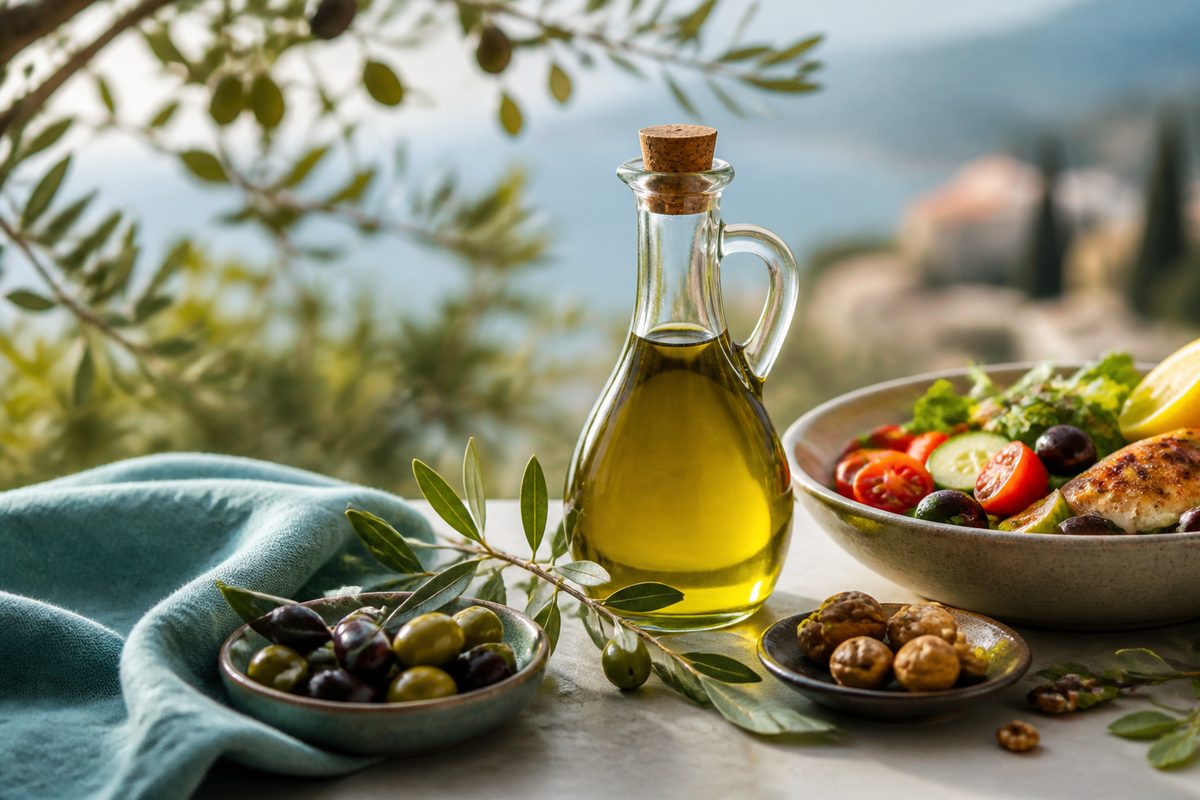
Why olive oil is uniquely well-suited to CKD
Olive oil ticks several boxes that matter for CKD:
- Mineral-neutral — no potassium, phosphate or protein to count.
- Heart-protective — high in monounsaturated fat (oleic acid) and polyphenols. The PREDIMED randomised trial (NEJM 2013, extended follow-up 2018) showed a ~ 30% reduction in heart attacks, strokes and cardiovascular death in adults eating a Mediterranean diet supplemented with > 4 tbsp EVOO/day vs a low-fat diet.
- Blood-pressure lowering — meta-analyses of randomised trials show systolic BP drops of ~ 3–4 mmHg with daily EVOO intake.
- Anti-inflammatory — the polyphenol oleocanthal has an ibuprofen-like effect on COX enzymes (without the NSAID kidney risk).
- Slows CKD progression in observational studies — Mediterranean diet adherence is associated with slower eGFR decline.
For a CKD patient choosing between butter, lard, ghee, sunflower oil, coconut oil and olive oil, olive oil is the cleanest choice on every axis that matters in kidney disease.
Extra virgin vs refined olive oil
- Extra virgin olive oil (EVOO) — first cold press, < 0.8% acidity. Highest polyphenol content. Best for drizzling, salads, finishing dishes.
- Virgin olive oil — same process, slightly higher acidity. Still good polyphenol content.
- 'Pure' or refined olive oil — refined with heat/chemicals; same fat profile but stripped of most polyphenols. Cheaper, milder flavour, higher smoke point.
- 'Light' olive oil — refined; just means 'light in flavour and colour', not lower in calories.
For kidney patients, prioritise extra virgin for dressings and finishing; refined or 'pure' is fine for higher-heat cooking.
Cooking with olive oil — safety and smoke points
A long-running myth says olive oil can't be cooked with. Modern research is clear: EVOO has a smoke point around 190–215 °C and is stable for normal pan-frying, sautéing and roasting. A 2018 Australian study compared common cooking oils heated to deep-fry temperatures and EVOO was actually the most chemically stable.
Practical use:
- Dressings, dips, finishing — EVOO
- Pan-frying, sautéing, roasting — EVOO or refined olive oil
- Deep-frying — refined olive oil or rapeseed (more economical)
Avoid: re-using oil multiple times; allowing it to smoke heavily; storing in light/heat (degrades polyphenols).
How much, and a Mediterranean-diet pattern
PREDIMED used ≥ 50 ml (~ 4 tablespoons) of EVOO per day. For most CKD patients, 2–4 tablespoons spread across meals is a reasonable target.
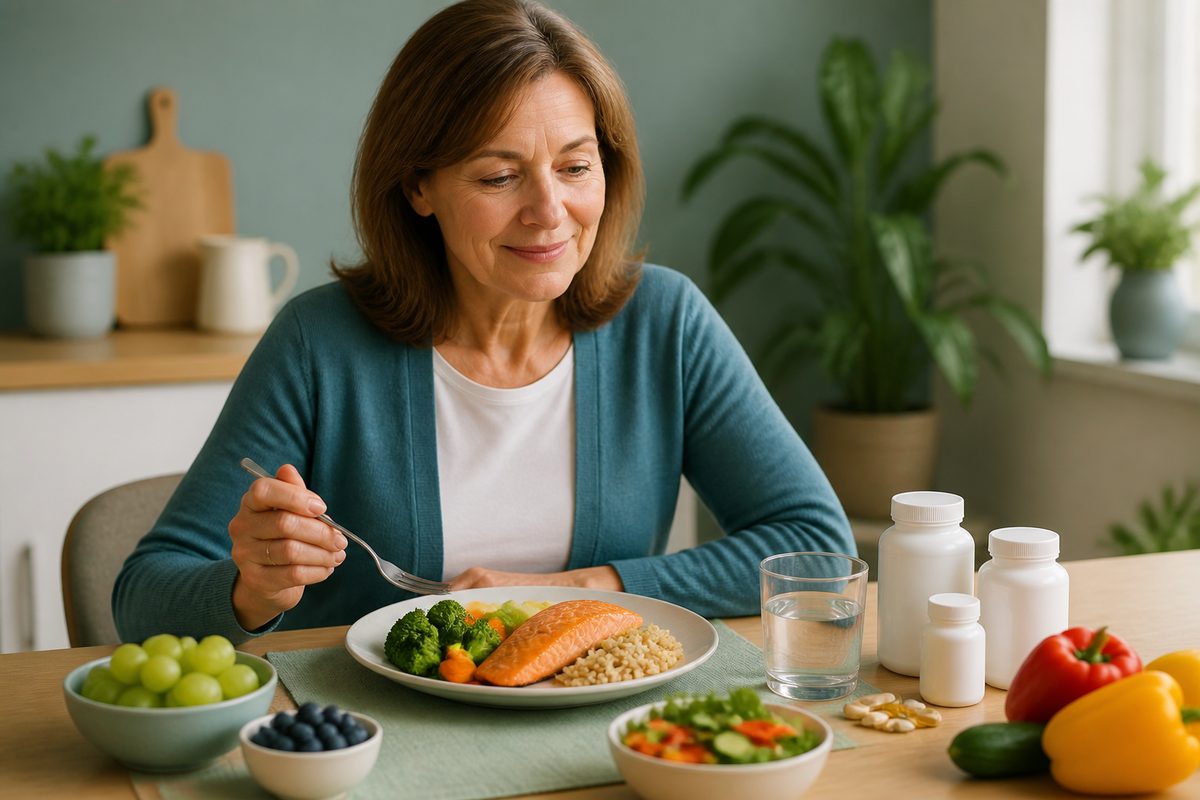
A kidney-friendly Mediterranean pattern:
- Olive oil as the primary fat (dressings, cooking)
- Vegetables at most meals (watch potassium content per individual veg)
- Whole grains: white pasta, white rice and refined bread are actually lower in phosphate and potassium than wholemeal versions — useful in advanced CKD
- Pulses 2–4 times/week (see beans guide)
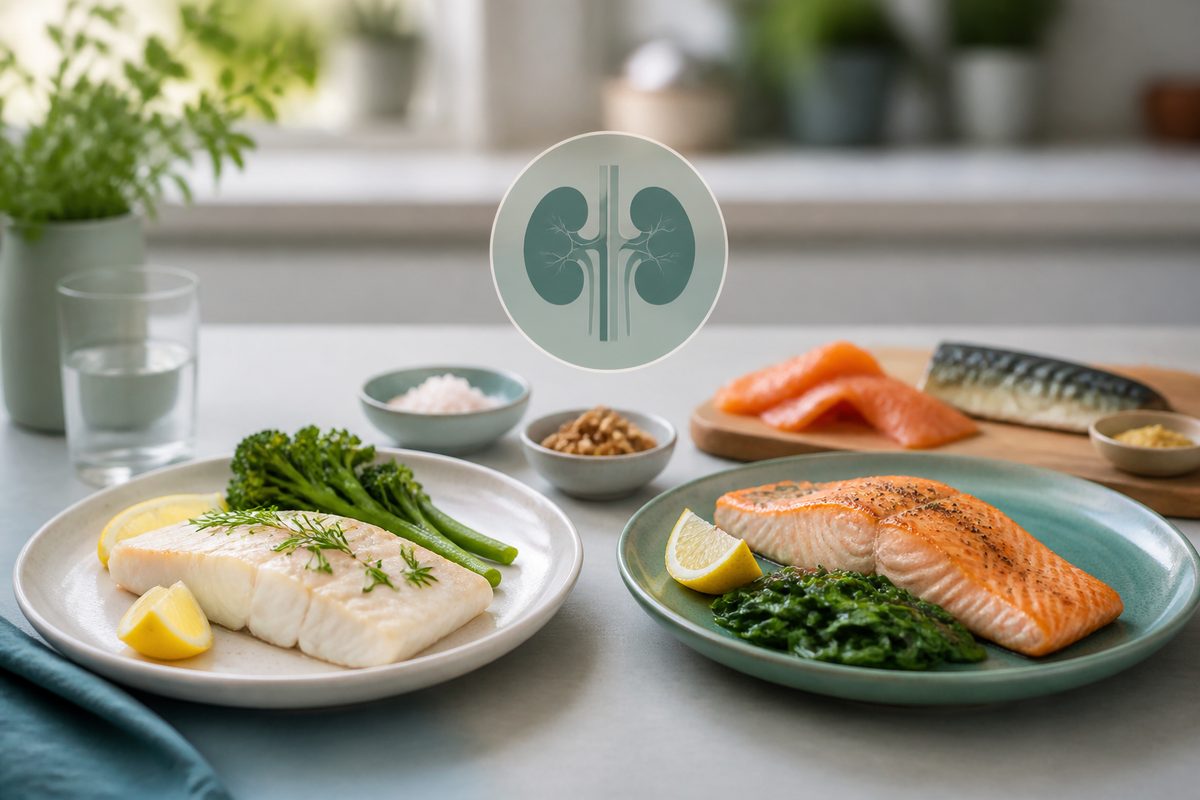
- Fish 2x/week, including 1 oily (see fish guide)
- Limited red meat
- Yoghurt or moderate cheese
- Limited free sugar
This pattern has the best evidence base of any diet for slowing CKD progression and lowering cardiovascular risk simultaneously.
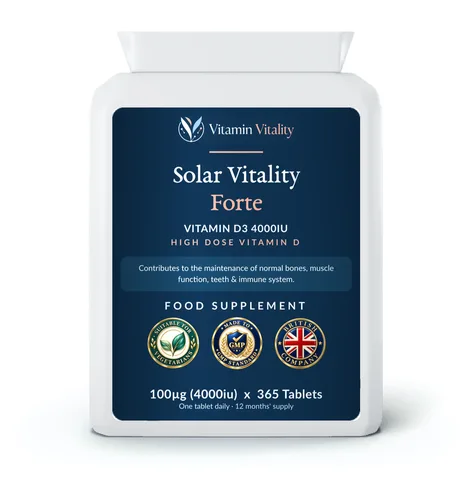
Food first. If you are choosing a daily multivitamin alongside a balanced diet, Kidney Vitality was developed by a UK Consultant Nephrologist using renal nutrition principles. See the formulation.