Boiling: the renal cook's tool
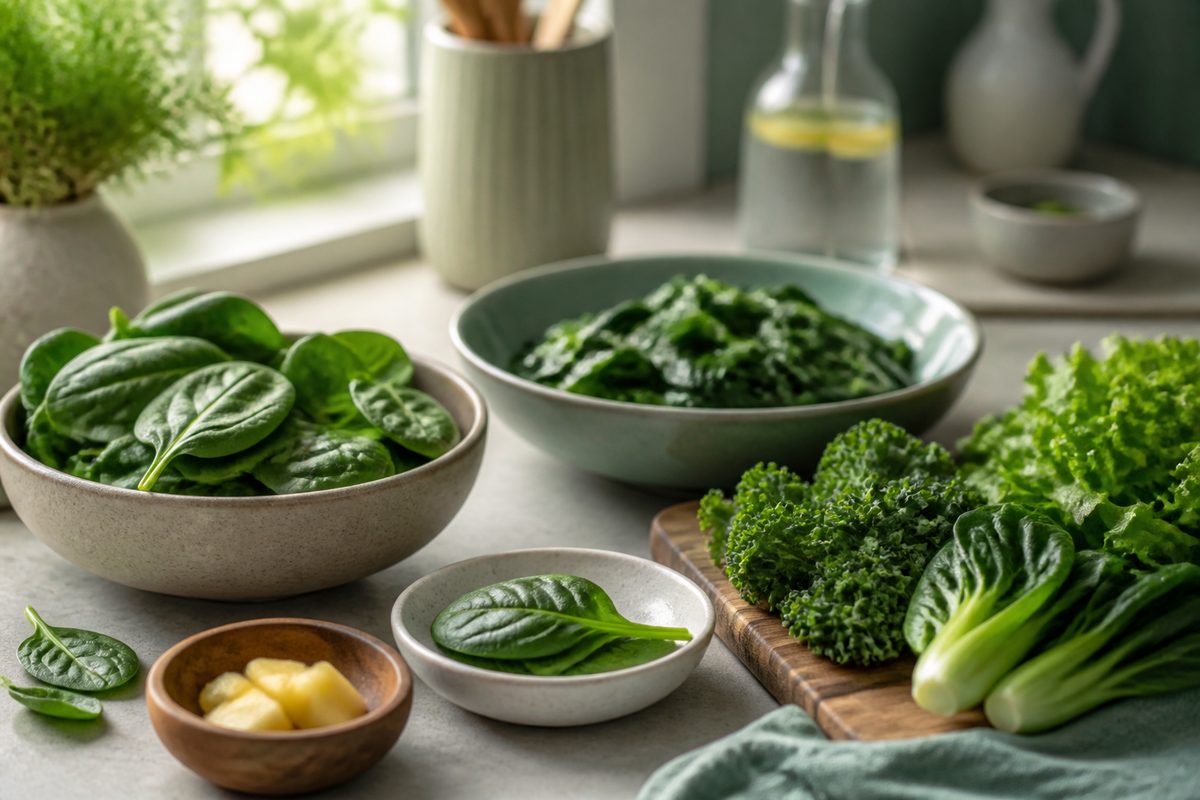
Potassium is water-soluble. Boiling kale in a generous volume of unsalted water and discarding the water removes a useful proportion of it — typically 30–40% for leafy greens. Steaming, stir-frying and microwaving do not achieve the same reduction. If your potassium is restricted, boil; if it is normal, cook however you like.
Warfarin and vitamin K
Kale is one of the richest dietary sources of vitamin K, which opposes warfarin. The clinical advice is not avoidance but stability: eat a similar amount each week so your INR stays predictable. Tell your anticoagulation clinic if you make a big change to your green vegetable intake.
Renal-friendly ways to eat it
- Boiled kale with garlic, lemon and black pepper — no added salt.
- Shredded into a soup at the end of cooking (remember the potassium stays in the liquid).
- Small handful in an omelette with peppers.
- Avoid: kale crisps (salted), green 'detox' juices which concentrate potassium heavily.