The 'natural sugar' myth
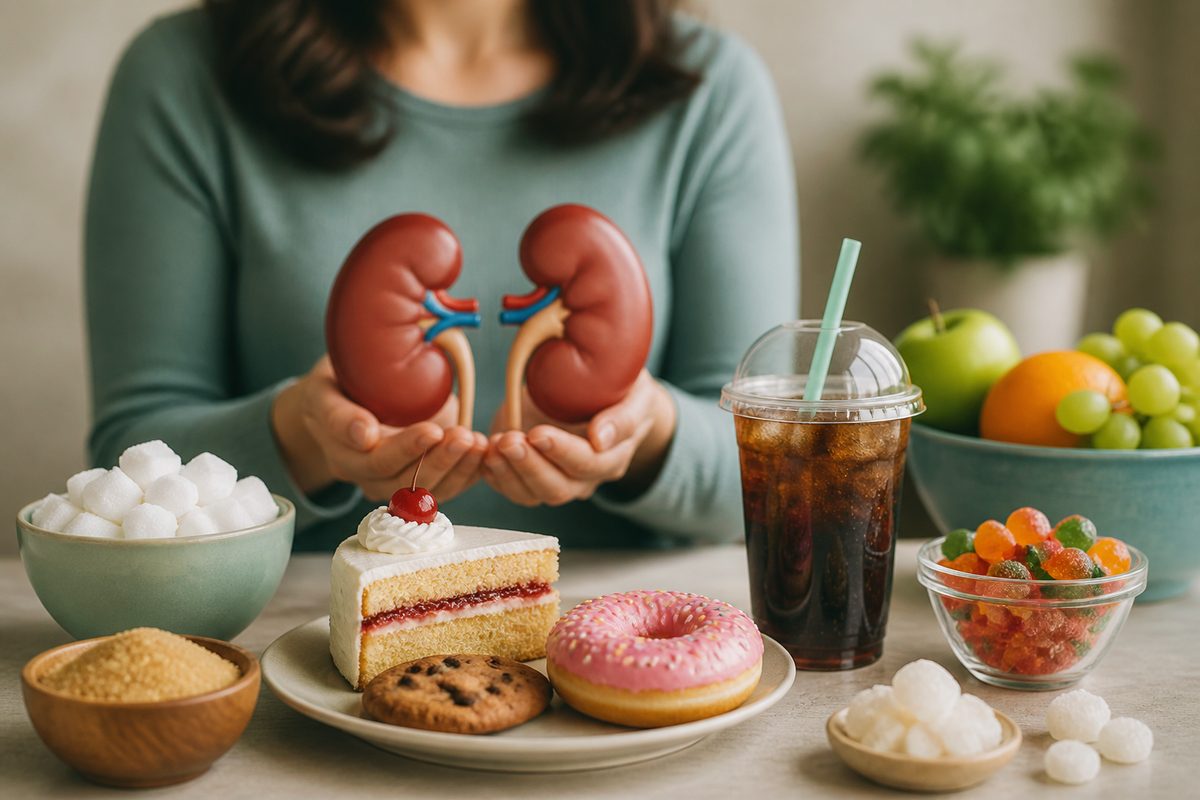
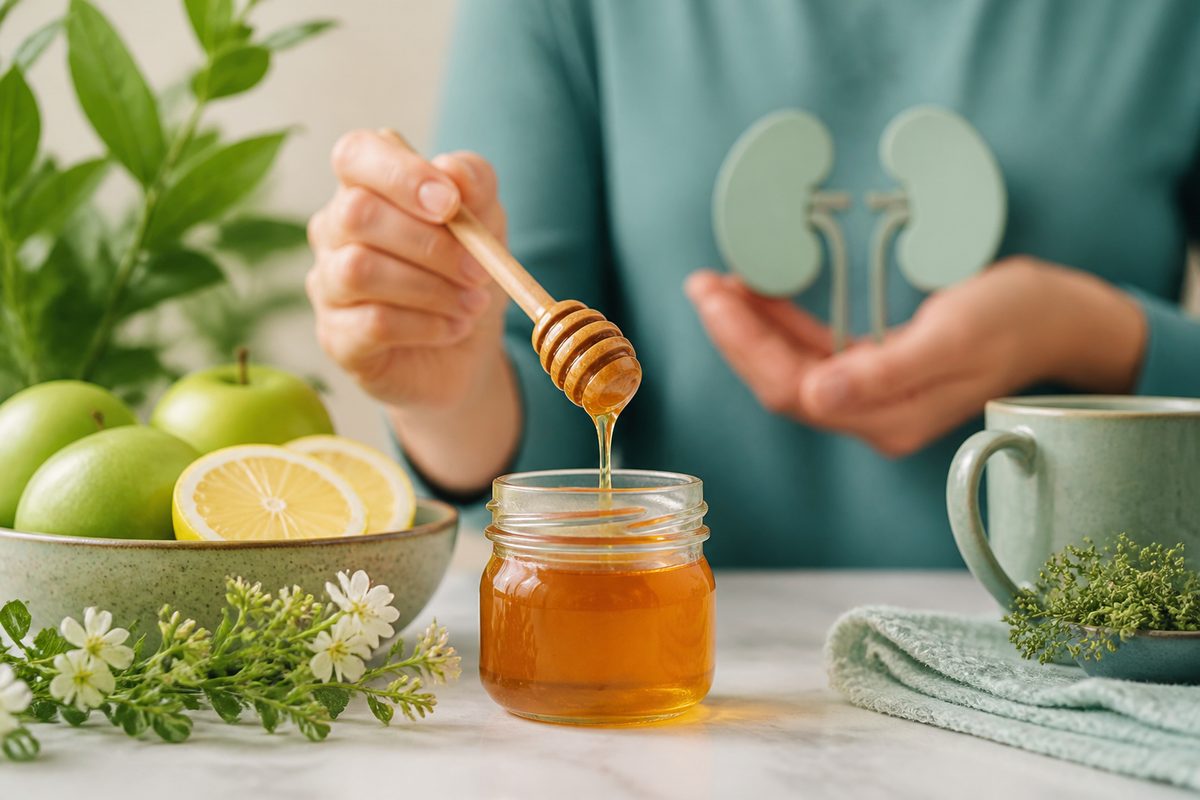
Marketing often presents honey as a healthy alternative to refined sugar. Chemically, honey is approximately 38% fructose, 31% glucose and 7% maltose -- all simple sugars. At a teaspoon level (5 g), honey and sugar both deliver ~ 16 kcal and ~ 4 g sugar. The trace antioxidants in honey do not offset the metabolic load at anything beyond tiny portions.
Honey and diabetes in CKD
Diabetes is the leading cause of CKD worldwide. Added sugars raise HbA1c, accelerate nephropathy and increase cardiovascular risk. The BDA renal nutrition guidance recommends minimising all added sugars. If you need sweetness, use a non-nutritive sweetener approved by your renal dietitian (e.g. stevia or sucralose) rather than honey.
Practical CKD-friendly guidance
Limit honey to 1 tsp (5 g) per day if you use it at all. Do not add honey to herbal teas marketed as 'kidney detox' -- there is no evidence and you add sugar. Avoid honey-sweetened cereals, granola bars and 'natural' yoghurt with honey swirls (hidden sugar). Choose: a small drizzle of honey on plain Greek yoghurt with berries -- occasional treat, not daily. Better sweeteners for CKD: stevia, sucralose or small amounts of maple syrup (same sugar, but used less often).
Food first. If you are choosing a daily multivitamin alongside a balanced diet, Kidney Vitality was developed by a UK Consultant Nephrologist using renal nutrition principles. See the formulation.