
Patient Resources 8 min read·Updated 22 July 2026 Clinician-reviewed

CKD Checklist

A UK Consultant Nephrologist's practical checklist for living with chronic kidney disease - daily habits, weekly reviews, medication reminders and red-flag symptoms.

  • Clinically Reviewed
  • NHS & NICE Aligned
  • UK Evidence-Based
  • Last Reviewed 22 July 2026

Professor Mohammed Mahdi Althaf

Consultant Nephrologist & Acute Physician

View Credentials

Professor Mohammed Mahdi Althaf

MD, MSc, PgDip (Clin Ed), FRCP, FHEA, FASN

Consultant Nephrologist & Acute Physician · GMC 7216325

View profile →

Direct answer

Weigh daily, take medications on time, follow your renal diet and fluid plan, monitor blood pressure, attend all appointments, and know the red-flag symptoms that need urgent medical attention.

Key recommendation: Weigh yourself every morning - rapid weight gain means fluid retention.

Quick answer

✓ Best choices

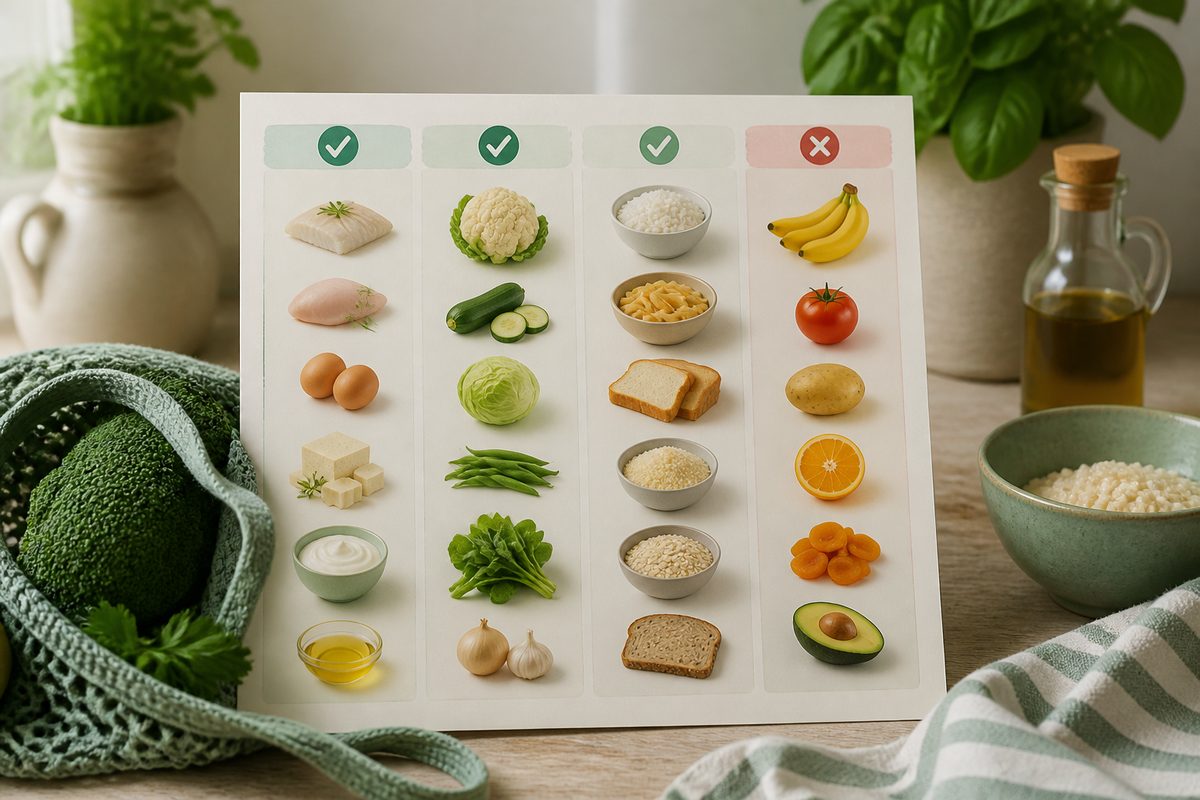
  • Lower-potassium fruit: apples, pears, berries, grapes, pineapple
  • Vegetables prepared with the leaching method when potassium is a concern
  • Whole grains: oats, basmati rice, pasta, couscous, sourdough
  • Lean protein in measured portions: fish, chicken, eggs, tofu

✓ Foods to limit

  • Added salt and high-sodium processed foods
  • Phosphate additives (E338, E339, E340, E450, E451, E452) in processed meats, fizzy drinks, instant foods
  • Very high-potassium foods if your blood potassium is rising
  • Sugary drinks, energy drinks and ultra-processed snacks

Key takeaway

Weigh daily, take medications on time, follow your renal diet and fluid plan, monitor blood pressure, attend all appointments, and know the red-flag symptoms that need urgent medical attention.

Who should be cautious

People on dialysis, post-transplant, pregnant or breastfeeding, or taking prescription medication — confirm with your renal team before changes.

CKD Checklist

Daily habits

  • Weigh yourself every morning after using the toilet and before breakfast. Use the same scales. Write it down. A gain of 2 kg in 2-3 days usually means fluid retention - call your team.
  • Take all prescribed medications at the same time each day. Use a pill box if it helps. Never skip phosphate binders with meals or immunosuppressants after a transplant.
  • Check your blood pressure once or twice daily if you have a home monitor. Keep a log to show your team.
  • Follow your fluid restriction if you have one. Count all drinks, soups, ice cream, melon and other high-water foods.
  • Follow your renal diet plan. Avoid phosphate additives (E338-E452), watch potassium if advised, and keep salt under 6 g per day.
  • Do some gentle activity if you feel up to it - walking is excellent for circulation and mood.

Weekly reviews

  • Review your blood pressure log for trends. Share it with your GP or renal team at your next appointment.
  • Check your medication supplies. Reorder before you run out.
  • Plan your meals for the week. Batch-cook low-salt, kidney-friendly meals and freeze portions.
  • Review any new symptoms: swelling in ankles or hands, fatigue levels, sleep quality, appetite changes.
  • Do a quick skin check if you are on dialysis - look for signs of infection around your fistula, catheter or PD site.

Kidney Vitality is a daily multivitamin developed by a UK Consultant Nephrologist using renal nutrition principles. It contains no added potassium, magnesium, phosphorus or iron, and no herbal blends. See the formulation.

Monthly and ongoing tasks

  • Attend all blood test appointments. Early morning fasting bloods are often needed - check with your team.
  • Attend all clinic appointments even if you feel well. CKD often has no symptoms until advanced.
  • Review your prescriptions with your pharmacist or GP. New medications (including over-the-counter and herbal) can interact with kidney disease.
  • Update your dental and other healthcare providers about your CKD. Some procedures need extra precautions.
  • Keep your vaccination record up to date. Flu, pneumococcal and COVID-19 vaccines are especially important for kidney patients.

Red-flag symptoms - call for help urgently

Call 111 or your renal team urgently, or 999 if severe:

  • Rapid weight gain (2+ kg in 2-3 days) with swelling or breathlessness
  • Chest pain, pressure or tightness
  • Palpitations or irregular heartbeat
  • Severe shortness of breath, especially when lying flat
  • Very little urine or no urine for 12+ hours
  • Blood in urine
  • Severe vomiting or diarrhoea (risk of dehydration and AKI)
  • Fever after a kidney transplant
  • Confusion or extreme drowsiness
  • A potassium blood result over 6.0 mmol/L if you have been told to watch this

Do not wait for your next routine appointment if any of these occur.

Medication safety reminders

  • Never stop or change prescribed medication without speaking to your doctor first.
  • Check every new medication with your GP or renal pharmacist - including painkillers, anti-inflammatories, antibiotics and herbal supplements.
  • Avoid NSAIDs (ibuprofen, naproxen, diclofenac) unless specifically prescribed by your renal team - they can worsen kidney function.
  • Take phosphate binders with every meal and snack as prescribed.
  • If you have had a transplant, never stop immunosuppressants - even if you feel well.
  • Keep an up-to-date list of all your medications with doses and timings. Bring it to every appointment.
Kidney Diet Shopping List
Related reading: Kidney Diet Shopping List.

Key practical tips

Designed for quick scanning — what to order, what to avoid, sensible portions, common mistakes.

  • Build a kidney plate: ½ vegetables and salad, ¼ whole-grain carb, ¼ protein
  • Cook from scratch when you can — it's the easiest way to control hidden salt and phosphate
  • Read labels for sodium ≤ 0.3 g per 100 g (low) and any 'E3-/E4-' phosphate additives
  • Discuss potassium and phosphate targets with your renal dietitian — they vary by stage

Clinical guidance

TL;DR summary

Weigh daily, take medications on time, follow your renal diet and fluid plan, monitor blood pressure, attend all appointments, and know the red-flag symptoms that need urgent medical attention.

Key takeaways
  • Weigh yourself every morning - rapid weight gain means fluid retention.
  • Take blood pressure readings daily if you have a home monitor.
  • Follow your medication schedule exactly - do not skip doses.
  • Stick to your renal diet and fluid restriction plan.
  • Know the red flags: breathlessness, chest pain, palpitations, no urine.
Kidney Diet & Nutrition Considerations

At every stage of chronic kidney disease, what you eat shapes how the kidneys cope day-to-day. UK renal guidance (NICE NG203, KDIGO 2024, KDOQI 2020 nutrition) focuses on four levers: sodium (salt), potassium and phosphate awareness, sensible protein intake, and an overall whole-food, Mediterranean-style pattern. Targets are individual — your renal team uses your bloods (eGFR, potassium, phosphate, bicarbonate) to personalise them. Aim for a balanced plate built around vegetables, lower-potassium fruit, whole grains, modest portions of fish or lean protein, and unsaturated fats such as olive oil.

Foods to prioritise

  • Lower-potassium fruit: apples, pears, berries, grapes, pineapple
  • Vegetables prepared with the leaching method when potassium is a concern
  • Whole grains: oats, basmati rice, pasta, couscous, sourdough
  • Lean protein in measured portions: fish, chicken, eggs, tofu
  • Extra virgin olive oil as the main cooking fat (PREDIMED-style pattern)

Foods to limit

  • Added salt and high-sodium processed foods
  • Phosphate additives (E338, E339, E340, E450, E451, E452) in processed meats, fizzy drinks, instant foods
  • Very high-potassium foods if your blood potassium is rising
  • Sugary drinks, energy drinks and ultra-processed snacks

Potassium, phosphate and protein needs vary between individuals — please confirm personal targets with your renal team or dietitian. Browse the Kidney Diet Hub for more guides in this cluster.

Frequently asked questions

What should I check every day with CKD?

Weigh yourself (fluid retention warning), check your blood pressure if you have a home monitor, take prescribed medications at the same time, follow your fluid restriction if applicable, and stick to your renal diet plan. Note any new swelling, shortness of breath or fatigue.

How often should I see my GP or renal team?

Stage 1-2: usually every 6-12 months. Stage 3: every 3-6 months. Stage 4-5: every 1-3 months. Dialysis: multiple times per week at your unit. Transplant: frequently at first, then every 3-6 months once stable. Always attend every appointment - early changes are easier to treat.

What blood tests matter most in CKD?

eGFR (kidney function), creatinine, potassium, phosphate, bicarbonate, haemoglobin (for anaemia), parathyroid hormone (PTH), vitamin D, cholesterol and blood sugar (if diabetic). Your team will tell you which matter most for your stage.

When should I call my renal team urgently?

Rapid weight gain (2+ kg in 2-3 days), severe shortness of breath, chest pain, palpitations, very little or no urine, blood in urine, severe vomiting or diarrhoea, fever after a transplant, or a potassium blood result over 6.0 mmol/L.

What is the best diet for chronic kidney disease?

For most adults with CKD the strongest evidence supports a Mediterranean-style, mostly plant-based pattern with reduced salt, sensible protein, and care with phosphate additives and very high-potassium foods. Exact targets for potassium, phosphate, protein and fluid should be set by your renal team based on your eGFR and recent blood results.

Nutritional challenges in kidney disease

Many people living with kidney disease have to limit foods because of potassium, phosphate, diabetes, dialysis, appetite changes or simply the time it takes to cook from scratch every day. That can make it harder to keep daily nutrition balanced — particularly for vitamins and minerals that food alone may not fully cover.

Kidney Vitality is a UK-formulated daily nutritional support product designed by Consultant Nephrologist Professor Mohammed Mahdi Althaf with renal nutrition in mind from the start. It keeps doses moderate, leaves out added potassium, phosphate and magnesium, and avoids megadose vitamin A — sitting alongside a kidney-friendly diet, not replacing it.

Why Kidney Vitality fits this need

Built around UK renal guidance

Aligned with NICE NG203, KDIGO 2024 and BDA renal nutrition guidance.

Designed by a UK Consultant Nephrologist

Formulated and reviewed by Professor Mohammed Mahdi Althaf (GMC 7216325).

Evidence-based by design

No added potassium or phosphate; sensible vitamin doses.

Designed by a UK Consultant Nephrologist

Ready to support your kidney health?

If you have been researching kidney health, supplements, CKD nutrition or kidney-friendly living, Kidney Vitality was developed specifically around those principles by Professor Mohammed Mahdi Althaf (GMC 7216325). Nephrologist Developed Daily Multivitamin.

  • No Added Potassium
  • No Added Magnesium
  • No Added Phosphorus
  • No Added Iron
  • One capsule daily
  • UK GMP — BRCGS, NSF GMP, Halal

✓ Free UK tracked delivery  ·  ✓ Delivered every 30 days  ·  ✓ Pause or cancel anytime  ·  ✓ Never run out

ComparisonKidney VitalityTypical high-street multivitamin
Added potassiumNoneOften included
Added phosphateNoneOften included (E338–E452)
Vitamin A (retinol)No megadoseOften high-dose retinol
Kidney-focused formulationYesNo — general population
Consultant Nephrologist involvementYes (GMC 7216325)No
UK GMP manufacturedYes (BRCGS, NSF GMP)Varies

Food supplement. Not a medicine and not a treatment for kidney disease. Speak with your GP, pharmacist or renal team before starting any new supplement, especially in advanced CKD, on dialysis, post-transplant, pregnant or breastfeeding.

Clinical reviewer

Professor Mohammed Mahdi Althaf

Consultant Nephrologist

Acute Physician

GMC 7216325

View Full Biography

Professor Mohammed Mahdi Althaf is a UK Consultant Nephrologist and Acute Physician with a special interest in chronic kidney disease, AKI prevention and renal nutrition. He combines hospital practice with patient education and clinical guidance review.

View professional profile →
View Credentials
  • MD
  • MSc
  • PgDip (Clin Ed)
  • FRCP
  • FHEA
  • FASN

About this article

Written for UK patients and based on:

  • NICE guidance
  • NHS resources
  • British Dietetic Association guidance
  • Kidney Care UK resources
View methodology

Each article is researched against current UK clinical guidance (NICE NG203, NG118, NG136), NHS patient resources, KDIGO and KDOQI international guidelines, and the British Dietetic Association Renal Nutrition Group. Drafts are written by the Kidney Vitality editorial team and reviewed by a UK Consultant Nephrologist before publication. Content is reviewed on a rolling basis and updated when guidance changes.

Editorial standards

  • Clinically reviewed
  • NHS-aligned
  • NICE-aligned
  • Evidence-based
  • Reviewed before publication
View full editorial process

Every article is researched and written by the Kidney Vitality editorial team using current UK clinical guidance (NICE NG203, NG118, NG136), NHS patient resources, KDIGO/KDOQI international guidelines, and British Dietetic Association renal nutrition guidance. Drafts are reviewed for clinical accuracy by Professor Mohammed Mahdi Althaf, MD, MSc, PgDip (Clin Ed), FRCP, FHEA, FASN (Consultant Nephrologist & Acute Physician, GMC 7216325) before publication. Content is updated when UK guidance changes.

References (4)View Sources
  1. NICE NG203: Chronic kidney disease — assessment and management
  2. KDIGO 2024 Clinical Practice Guideline for the Evaluation and Management of CKD
  3. KDOQI Clinical Practice Guideline for Nutrition in CKD: 2020 Update
  4. British Dietetic Association — Renal Nutrition Group

Medical disclaimer

This content is educational only and does not replace personalised medical advice.

Read full disclaimer

This page is general information, not personal medical advice. If you have chronic kidney disease, are on dialysis, have had a kidney transplant, are pregnant or breastfeeding, or take prescription medication, please confirm any supplement with your GP, pharmacist or renal team before starting.