Patient Resources 8 min read·Updated 22 July 2026 Clinician-reviewed

Travelling with CKD

How to travel safely and enjoyably with chronic kidney disease — from early-stage holidays to dialysis-friendly trips abroad.

  • Clinically Reviewed
  • NHS & NICE Aligned
  • UK Evidence-Based
  • Last Reviewed 22 July 2026

Professor Mohammed Mahdi Althaf

Consultant Nephrologist & Acute Physician

View Credentials

Professor Mohammed Mahdi Althaf

MD, MSc, PgDip (Clin Ed), FRCP, FHEA, FASN

Consultant Nephrologist & Acute Physician · GMC 7216325

View profile →

Direct answer

Most people with CKD can travel safely with planning. Pack extra medication, carry a doctor's letter, arrange dialysis in advance if needed, buy specialist travel insurance, and research food options at your destination. Stay hydrated on flights unless fluid-restricted.

Key recommendation: Most CKD patients can travel with proper preparation.

Quick answer

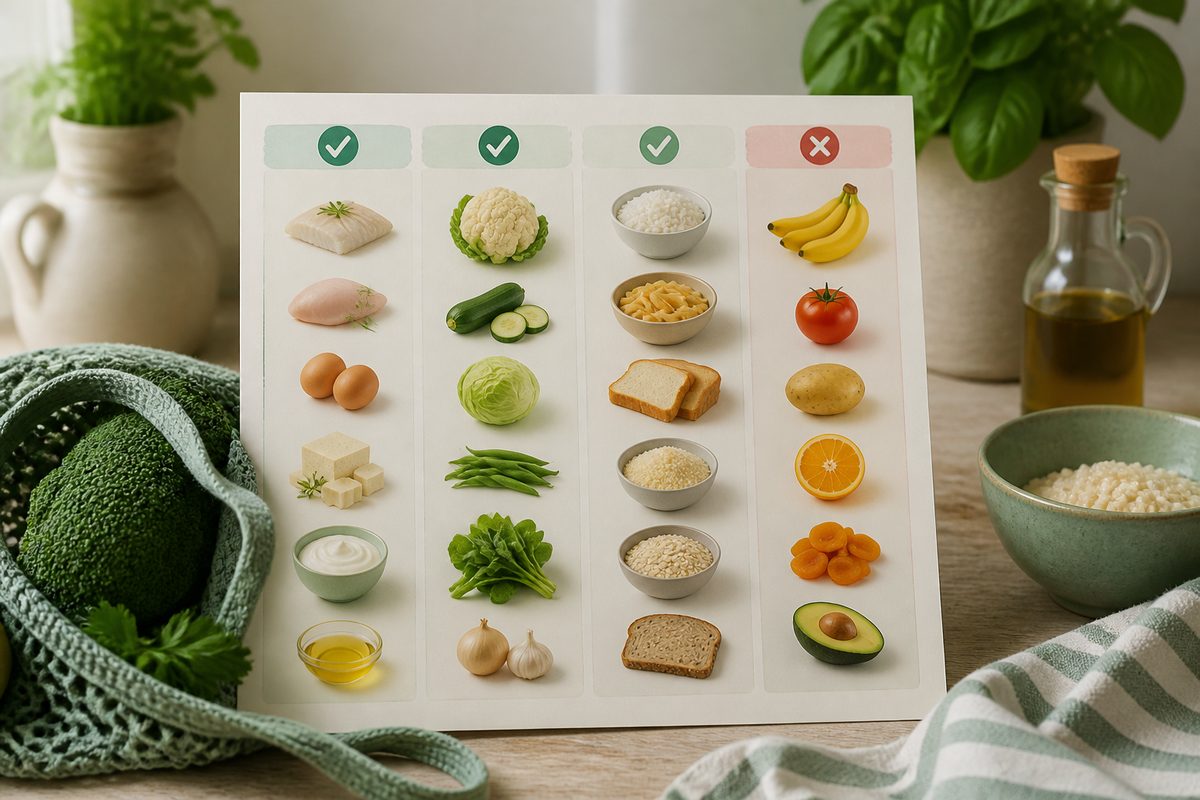
✓ Best choices

  • Lower-potassium fruit: apples, pears, berries, grapes, pineapple
  • Vegetables prepared with the leaching method when potassium is a concern
  • Whole grains: oats, basmati rice, pasta, couscous, sourdough
  • Lean protein in measured portions: fish, chicken, eggs, tofu

✓ Foods to limit

  • Added salt and high-sodium processed foods
  • Phosphate additives (E338, E339, E340, E450, E451, E452) in processed meats, fizzy drinks, instant foods
  • Very high-potassium foods if your blood potassium is rising
  • Sugary drinks, energy drinks and ultra-processed snacks

Key takeaway

Most people with CKD can travel safely with planning. Pack extra medication, carry a doctor's letter, arrange dialysis in advance if needed, buy specialist travel insurance, and research food options at your destination. Stay hydrated on flights unless fluid-restricted.

Who should be cautious

People on dialysis, post-transplant, pregnant or breastfeeding, or taking prescription medication — confirm with your renal team before changes.

Travelling with CKD

Planning a holiday with early CKD

Stages 1–3: travel is usually straightforward. Book travel insurance that covers CKD (declare it fully). Pack a 2–3 day extra supply of all medications in hand luggage. Carry a letter from your GP or renal team listing your condition, medications, and contact details. If you take blood pressure tablets, bring your home monitor. Check the nearest hospital or clinic at your destination. Keep your medication schedule in the destination time zone — use a pill organiser with alarms. If you have diabetes alongside CKD, pack glucose monitoring supplies and hypo treatments.

Flying with kidney disease

Flying is safe for most CKD patients, but long-haul flights need preparation. Dehydration is the main risk — the cabin air is very dry. Drink water regularly unless you are on fluid restriction (confirm your limit with your team before flying). Avoid alcohol and limit caffeine, as both are dehydrating. Walk the aisle and do calf exercises every hour to prevent deep vein thrombosis (DVT) — CKD patients may have higher clot risk, especially with proteinuria or nephrotic syndrome. If you have severe anaemia, very low eGFR, or recent heart problems, ask your team whether oxygen supplementation or medical clearance is needed.

Dialysis and travel

Haemodialysis patients can book holiday dialysis through their home unit, which coordinates with units abroad or in other UK cities. Contact your renal team 6–8 weeks before travel. You will need your latest blood results, dialysis prescription (hours, blood flow, dialyser type), and vaccination records. Peritoneal dialysis patients can often travel more flexibly — automated PD (APD) machines can be transported, or you can switch to manual exchanges (CAPD) for short trips. Bring enough supplies or arrange delivery to your accommodation. Some destinations require permits for bringing medical equipment — check with the airline and embassy.

Kidney Vitality is a daily multivitamin developed by a UK Consultant Nephrologist using renal nutrition principles. It contains no added potassium, magnesium, phosphorus or iron, and no herbal blends. See the formulation.

Travel insurance for CKD

Never rely on standard travel insurance if you have CKD — pre-existing conditions are often excluded. Use a specialist medical travel insurer and declare CKD, dialysis, transplant and all other conditions honestly. Key questions to ask: Does it cover emergency dialysis abroad? Does it cover repatriation? Is there an upper age limit? Does it cover transplant rejection or immunosuppressant complications? Reputable UK providers include Insurancewith, AllClear, Staysure, Free Spirit and Saga. The GHIC (Global Health Insurance Card) gives access to state healthcare in EU countries at the same cost as locals, but it does not cover repatriation or private care.

Managing diet and fluid on holiday

Research restaurants and local cuisine before you go. Mediterranean and Japanese cuisines often have grilled fish, fresh vegetables and olive oil — good renal-friendly choices. Chinese, Thai and Indian restaurant food can be very high in sodium — ask for less salt, sauces on the side, and avoid MSG. Fast food, airport lounges and all-inclusive buffets are phosphate and sodium minefields — scout the salad bar, fruit section and plain grilled options. If you take phosphate binders, carry them in a small container for every meal out. For fluid-restricted patients, plan fluid intake around activities and meals — ice chips can help with thirst in hot climates.

After a transplant: special travel considerations

Transplant recipients need extra precautions. Avoid destinations with high risk of serious infections for the first 6–12 months: this includes areas with malaria, dengue, Zika, or poor sanitation. Do not drink tap water or eat street food in high-risk countries. Live vaccines (yellow fever, MMR, BCG, oral typhoid) are contraindicated after transplant — check your vaccination status before you travel. Carry a letter confirming your transplant and immunosuppressant medications, as these may trigger security questions. Ensure your travel insurance covers transplant-related emergencies and immunosuppressant theft or loss.

Emergency contacts and medical care abroad

Before you leave, save these numbers in your phone: your renal team (including out-of-hours), your GP, your travel insurer's emergency line, and the nearest hospital at your destination. In the EU, dial 112 for emergency services. If you are on dialysis, know the location and contact details of your backup dialysis unit. Carry a printed copy of your latest blood results, medication list, and any allergies. If you feel unwell while away — swelling, breathlessness, missed dialysis, fever after transplant — seek medical attention immediately and contact your insurer.


Dining Out with CKD
Related reading: Dining Out with CKD.

Key practical tips

Designed for quick scanning — what to order, what to avoid, sensible portions, common mistakes.

  • Build a kidney plate: ½ vegetables and salad, ¼ whole-grain carb, ¼ protein
  • Cook from scratch when you can — it's the easiest way to control hidden salt and phosphate
  • Read labels for sodium ≤ 0.3 g per 100 g (low) and any 'E3-/E4-' phosphate additives
  • Discuss potassium and phosphate targets with your renal dietitian — they vary by stage

Clinical guidance

TL;DR summary

Most people with CKD can travel safely with planning. Pack extra medication, carry a doctor's letter, arrange dialysis in advance if needed, buy specialist travel insurance, and research food options at your destination. Stay hydrated on flights unless fluid-restricted.

Key takeaways
  • Most CKD patients can travel with proper preparation.
  • Pack medications in hand luggage with a doctor's letter and extra supply.
  • Arrange holiday dialysis 6–8 weeks in advance through your renal unit.
  • Buy travel insurance that explicitly covers CKD and dialysis.
  • Research restaurant and supermarket options before you travel for renal diet compliance.
Kidney Diet & Nutrition Considerations

At every stage of chronic kidney disease, what you eat shapes how the kidneys cope day-to-day. UK renal guidance (NICE NG203, KDIGO 2024, KDOQI 2020 nutrition) focuses on four levers: sodium (salt), potassium and phosphate awareness, sensible protein intake, and an overall whole-food, Mediterranean-style pattern. Targets are individual — your renal team uses your bloods (eGFR, potassium, phosphate, bicarbonate) to personalise them. Aim for a balanced plate built around vegetables, lower-potassium fruit, whole grains, modest portions of fish or lean protein, and unsaturated fats such as olive oil.

Foods to prioritise

  • Lower-potassium fruit: apples, pears, berries, grapes, pineapple
  • Vegetables prepared with the leaching method when potassium is a concern
  • Whole grains: oats, basmati rice, pasta, couscous, sourdough
  • Lean protein in measured portions: fish, chicken, eggs, tofu
  • Extra virgin olive oil as the main cooking fat (PREDIMED-style pattern)

Foods to limit

  • Added salt and high-sodium processed foods
  • Phosphate additives (E338, E339, E340, E450, E451, E452) in processed meats, fizzy drinks, instant foods
  • Very high-potassium foods if your blood potassium is rising
  • Sugary drinks, energy drinks and ultra-processed snacks

Potassium, phosphate and protein needs vary between individuals — please confirm personal targets with your renal team or dietitian. Browse the Kidney Diet Hub for more guides in this cluster.

Frequently asked questions

Can I travel with chronic kidney disease?

Yes — most people with CKD can travel safely with the right preparation. In early CKD (stages 1–3), travel is usually straightforward: pack enough medication, carry a letter from your GP or renal team, and know where to access medical care at your destination. In advanced CKD and on dialysis, travel requires more planning — arranging dialysis at your destination, ensuring fluid and diet needs can be met, and confirming travel insurance covers CKD and dialysis.

What should I pack when travelling with CKD?

Pack all medications in your hand luggage, plus a 2–3 day extra supply in case of delays. Carry a doctor's letter listing your diagnosis, medications, doses, and your renal team's contact details. Include your latest blood results if travelling abroad. Bring a medical alert card or bracelet. Pack blood pressure medication, phosphate binders, vitamin D and any immunosuppressants in original packaging with pharmacy labels. If you monitor blood pressure at home, bring your cuff. For dialysis patients, bring supplies and prescriptions for any home treatments.

How do I arrange dialysis for a holiday?

If you are on dialysis, plan holidays at least 6–8 weeks in advance. Contact your home dialysis unit — they can arrange 'holiday dialysis' at a unit near your destination through the UK renal network or international dialysis organisations like Diaverum, Fresenius or D.med. For peritoneal dialysis (PD), you may be able to take supplies with you or arrange delivery to your accommodation. For haemodialysis (HD), you will need pre-booked slots at a dialysis centre. Some cruise ships have dialysis facilities. Ensure your holiday insurance covers dialysis abroad.

Is flying safe with kidney disease?

Flying is generally safe for most CKD patients. However, long flights can cause dehydration, which stresses the kidneys. Drink water regularly during the flight (unless you are fluid-restricted — discuss with your team). Avoid alcohol and excessive caffeine. Walk and stretch every hour to reduce clot risk, especially if you have proteinuria or nephrotic syndrome. If you have had a recent transplant, your team may advise waiting 3–6 months before long-haul travel and avoiding certain destinations with high infection risk.

What travel insurance do I need with CKD?

Standard travel insurance often excludes pre-existing conditions. You need a policy that explicitly covers chronic kidney disease, dialysis if applicable, and transplant if you have one. Declare your condition fully — non-disclosure can invalidate claims. Specialist insurers like Insurancewith, AllClear, Staysure and Free Spirit cover CKD and dialysis. Check the policy covers: emergency medical treatment, repatriation, cancellation due to illness, and dialysis equipment. European Health Insurance Card (GHIC) or equivalents provide basic state healthcare in EU countries but are not a substitute for travel insurance.

How do I manage my renal diet while travelling?

Research restaurants and supermarkets at your destination before you go. If you follow a low-salt diet, be aware that many cuisines (Chinese, Thai, Indian, processed Western food) are very high in sodium. Ask for sauces on the side, choose grilled over fried, and avoid processed meats. For low-potassium diets, watch portion sizes of tropical fruits, tomatoes, potatoes and spinach. For phosphate control, avoid convenience foods, cola drinks and processed snacks. Bring safe snacks from home: plain crackers, rice cakes, apples, or low-salt snack packs. If you take phosphate binders, carry them with every meal out.

What is the best diet for chronic kidney disease?

For most adults with CKD the strongest evidence supports a Mediterranean-style, mostly plant-based pattern with reduced salt, sensible protein, and care with phosphate additives and very high-potassium foods. Exact targets for potassium, phosphate, protein and fluid should be set by your renal team based on your eGFR and recent blood results.

Nutritional challenges in kidney disease

Many people living with kidney disease have to limit foods because of potassium, phosphate, diabetes, dialysis, appetite changes or simply the time it takes to cook from scratch every day. That can make it harder to keep daily nutrition balanced — particularly for vitamins and minerals that food alone may not fully cover.

Kidney Vitality is a UK-formulated daily nutritional support product designed by Consultant Nephrologist Professor Mohammed Mahdi Althaf with renal nutrition in mind from the start. It keeps doses moderate, leaves out added potassium, phosphate and magnesium, and avoids megadose vitamin A — sitting alongside a kidney-friendly diet, not replacing it.

Why Kidney Vitality fits this need

Practical and comprehensive

Covers insurance, dialysis planning, flights, diet and transplant-specific advice in one place.

Designed by a UK Consultant Nephrologist

Reviewed by Professor Mohammed Mahdi Althaf (GMC 7216325) for clinical accuracy and safety.

Stage-specific guidance

Tailored advice for early CKD, dialysis patients, and transplant recipients.

Designed by a UK Consultant Nephrologist

Ready to support your kidney health?

If you have been researching kidney health, supplements, CKD nutrition or kidney-friendly living, Kidney Vitality was developed specifically around those principles by Professor Mohammed Mahdi Althaf (GMC 7216325). Nephrologist Developed Daily Multivitamin.

  • No Added Potassium
  • No Added Magnesium
  • No Added Phosphorus
  • No Added Iron
  • One capsule daily
  • UK GMP — BRCGS, NSF GMP, Halal

✓ Free UK tracked delivery  ·  ✓ Delivered every 30 days  ·  ✓ Pause or cancel anytime  ·  ✓ Never run out

ComparisonKidney VitalityTypical high-street multivitamin
Added potassiumNoneOften included
Added phosphateNoneOften included (E338–E452)
Vitamin A (retinol)No megadoseOften high-dose retinol
Kidney-focused formulationYesNo — general population
Consultant Nephrologist involvementYes (GMC 7216325)No
UK GMP manufacturedYes (BRCGS, NSF GMP)Varies

Food supplement. Not a medicine and not a treatment for kidney disease. Speak with your GP, pharmacist or renal team before starting any new supplement, especially in advanced CKD, on dialysis, post-transplant, pregnant or breastfeeding.

Clinical reviewer

Professor Mohammed Mahdi Althaf

Consultant Nephrologist

Acute Physician

GMC 7216325

View Full Biography

Professor Mohammed Mahdi Althaf is a UK Consultant Nephrologist and Acute Physician with a special interest in chronic kidney disease, AKI prevention and renal nutrition. He combines hospital practice with patient education and clinical guidance review.

View professional profile →
View Credentials
  • MD
  • MSc
  • PgDip (Clin Ed)
  • FRCP
  • FHEA
  • FASN

About this article

Written for UK patients and based on:

  • NICE guidance
  • NHS resources
  • British Dietetic Association guidance
  • Kidney Care UK resources
View methodology

Each article is researched against current UK clinical guidance (NICE NG203, NG118, NG136), NHS patient resources, KDIGO and KDOQI international guidelines, and the British Dietetic Association Renal Nutrition Group. Drafts are written by the Kidney Vitality editorial team and reviewed by a UK Consultant Nephrologist before publication. Content is reviewed on a rolling basis and updated when guidance changes.

Editorial standards

  • Clinically reviewed
  • NHS-aligned
  • NICE-aligned
  • Evidence-based
  • Reviewed before publication
View full editorial process

Every article is researched and written by the Kidney Vitality editorial team using current UK clinical guidance (NICE NG203, NG118, NG136), NHS patient resources, KDIGO/KDOQI international guidelines, and British Dietetic Association renal nutrition guidance. Drafts are reviewed for clinical accuracy by Professor Mohammed Mahdi Althaf, MD, MSc, PgDip (Clin Ed), FRCP, FHEA, FASN (Consultant Nephrologist & Acute Physician, GMC 7216325) before publication. Content is updated when UK guidance changes.

References (4)View Sources
  1. NICE NG203: Chronic kidney disease — assessment and management
  2. KDIGO 2024 Clinical Practice Guideline for the Evaluation and Management of CKD
  3. KDOQI Clinical Practice Guideline for Nutrition in CKD: 2020 Update
  4. British Dietetic Association — Renal Nutrition Group

Medical disclaimer

This content is educational only and does not replace personalised medical advice.

Read full disclaimer

This page is general information, not personal medical advice. If you have chronic kidney disease, are on dialysis, have had a kidney transplant, are pregnant or breastfeeding, or take prescription medication, please confirm any supplement with your GP, pharmacist or renal team before starting.