Why this matters in chronic kidney disease
In chronic kidney disease (CKD), the kidneys gradually lose their ability to filter waste, balance electrolytes and clear excess nutrients. That means substances which are completely safe at typical doses in a healthy adult — including some vitamins and minerals — can build up or place added strain on the kidneys as function declines.
That's why UK renal nutrition guidance from NICE (NG203), KDOQI 2020 and the British Dietetic Association Renal Nutrition Group all take a cautious, individualised view of supplementation in CKD. The aim is to support overall nutrition without adding to the kidneys' workload.
Putting this into practice
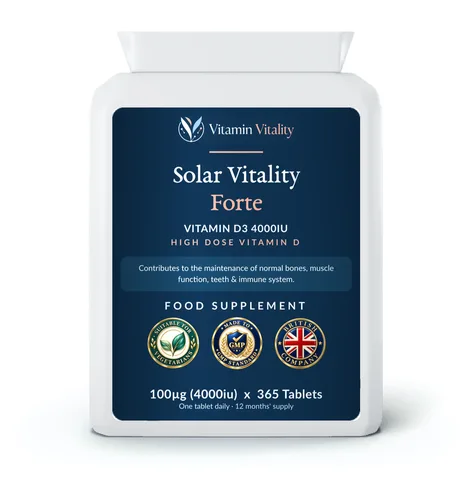
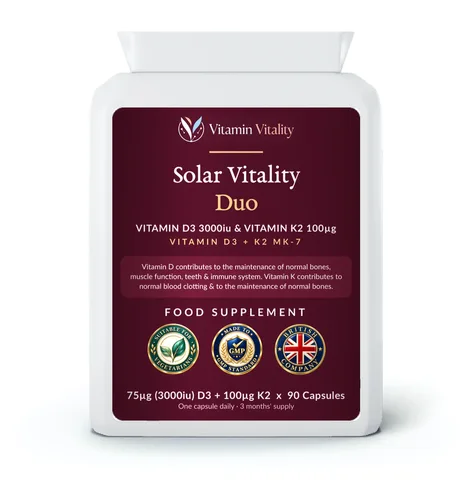
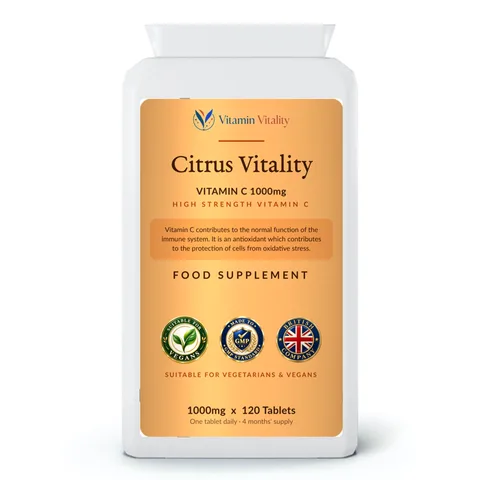
If you're choosing a daily supplement and you have reduced kidney function, the most practical checks are simple: read the label, look at the doses, and look for what isn't added. Renal teams typically flag high-dose vitamin A (retinol), large doses of vitamin C, and any added potassium, phosphate or magnesium — these are the four ingredients most often singled out in routine dietetic reviews.
A evidence-based daily supplement keeps doses moderate, names the things it deliberately leaves out, and is formulated with renal nutrition in mind from the start — not adapted after the fact.
What to discuss with your renal team
Before starting any new vitamin or supplement, share the full label with your GP, renal pharmacist, dietitian or nephrologist. They will already know your blood results, prescribed phosphate binders, vitamin D regime and any active medication interactions — and can confirm whether a evidence-based daily supplement is appropriate alongside your current plan.
If you are on dialysis, are pregnant, are breastfeeding, or have had a kidney transplant, this conversation matters even more. The guidance on this page is general education, not a substitute for personalised clinical advice.
Kidney Vitality is a daily multivitamin developed by a UK Consultant Nephrologist using renal nutrition principles. It contains no added potassium, magnesium, phosphorus or iron, and no herbal blends. See the formulation.